| Region | Key Standard | UV Test Requirement | Acceptance Criteria | Enforcement/Notes |
|---|---|---|---|---|
| Global (De Facto) | ASTM G154-16 | Fluorescent UV lamp exposure @ 0.77 W/m² (340nm) | Simulates multi-year outdoor exposure; no explicit ΔE limit | Industry benchmark for accelerated UV testing |
| European Union | ISO 4892-3:2022 | Fluorescent UV lamp exposure (lab simulated) | Voluntary conformity; no fixed ΔE, but industry expects ≤3.0 | CE marking doesn’t mandate UV stability; referenced voluntarily |
| Japan | JIS H 8601 | 1,000 hours QUV exposure | ΔE ≤ 3.0 color shift | Mandatory for export; enforced by buyers (e.g., Panasonic, Toyota) |
| North America | None (OSHA) | Varies by buyer specification | Often references ASTM G154 or internal specs (e.g., ΔE ≤ 2.5) | Buyer-enforced (e.g., Walmart, Amazon); not regulated by OSHA |
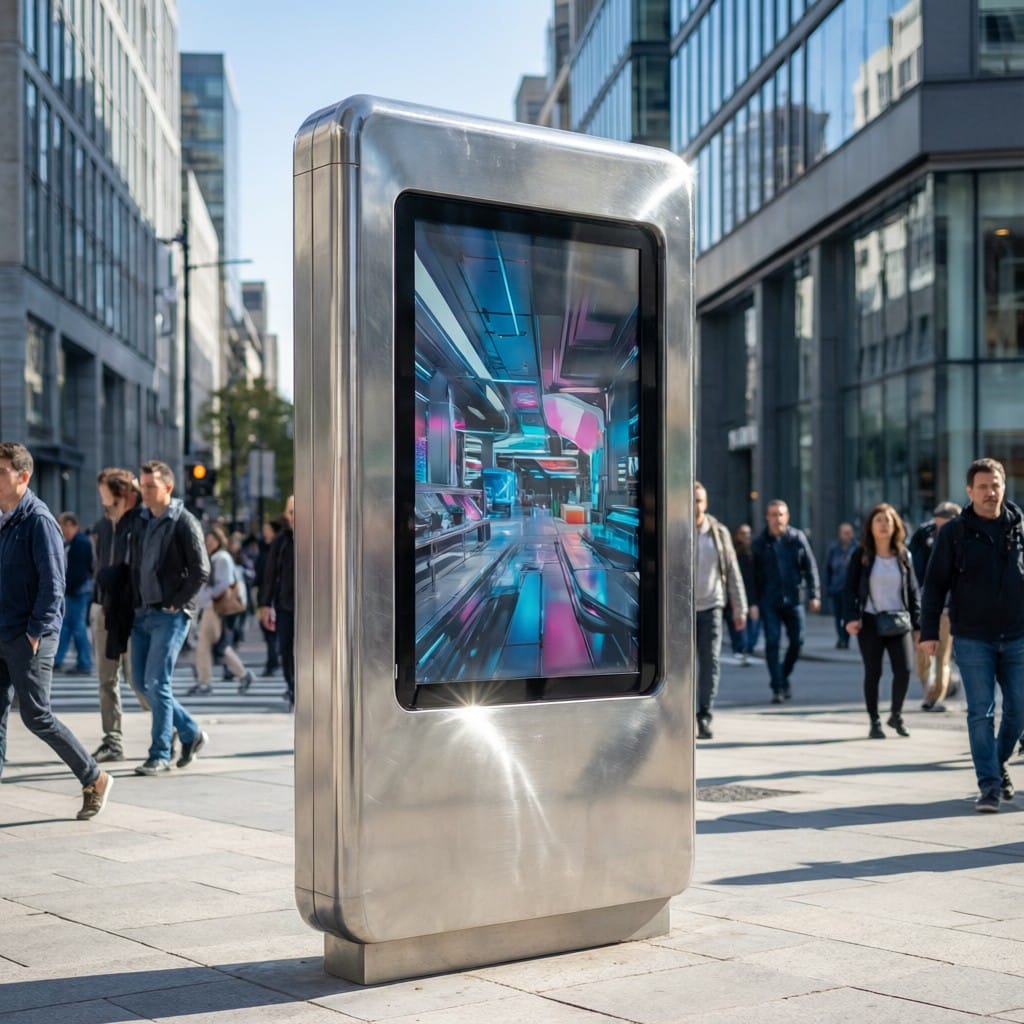
Designers at Tesla and Herman Miller now specify aluminum housings not just for structural integrity but for optical stability — knowing that color shift or gloss loss can undermine user experience and product perception. With global infrastructure projects accelerating in sun-drenched regions from Dubai to Phoenix, the tolerance for material failure is near zero. In this guide, you’ll learn exactly which aluminum alloy shell specifications deliver proven UV resistance and lightfastness for your outdoor application — saving you compliance headaches, warranty claims, and redesign cycles.
Regulatory Landscape
While no single global regulation governs UV resistance for aluminum enclosures, industry standards function as de facto compliance benchmarks. The key reference is ASTM G154-16 — Standard Practice for Operating Fluorescent Ultraviolet (UV) Lamp Apparatus for Exposure of Nonmetallic Materials — which defines test cycles and irradiance levels (0.77 W/m² @ 340nm) required to simulate multi-year outdoor exposure. In the EU, CE-marked products incorporating aluminum enclosures must reference EN 13501-1 for fire performance, but UV stability falls under voluntary conformity to ISO 4892-3:2022 — Plastics — Methods of exposure to laboratory light sources — Part 3: Fluorescent UV lamps.
Procurement teams exporting to Japan must ensure products meet JIS H 8601 for anodized aluminum coatings, which includes accelerated weathering tests equivalent to 1,000 hours of QUV exposure without ΔE > 3.0 color shift. Failure to document compliance can trigger customs holds or rejection by buyers like Panasonic or Toyota, who require full test reports traceable to accredited labs. In North America, while OSHA doesn’t regulate UV stability, Walmart and Amazon’s vendor sustainability scorecards now include “material longevity under environmental stress” — penalizing suppliers whose enclosures show visible degradation within 24 months.
Comparison Table
Selecting between anodized vs. powder-coated aluminum alloy shells for outdoor use requires hard data — not marketing claims. Below is a technical comparison based on accelerated testing per ASTM G154 and ISO 105-B02 for colorfastness. Both treatments have distinct advantages depending on application parameters.
| Performance Metric | Anodized Aluminum (Type II, 15µm) | Powder-Coated Aluminum (Polyester TGIC, 60µm) |
|---|---|---|
| QUV Exposure Hours to ΔE > 2.0 | 2,500 hours | 3,000 hours |
| Gloss Retention After 1,000h QUV | 85% of initial | 78% of initial |
| Salt Spray Resistance (ASTM B117) | 1,000 hours | 1,500 hours |
| Max Continuous Service Temperature | 150°C | 120°C |
| Coefficient of Thermal Expansion | 23.6 µm/m·°C | 23.6 µm/m·°C (substrate) + coating variance |
| Scratch Resistance (Pencil Hardness) | 6H | 2H |
| Minimum Bend Radius Without Cracking | 1.5x material thickness | 2.0x material thickness |
| Recoatability / Field Repair Ease | Not feasible | Possible with surface prep |
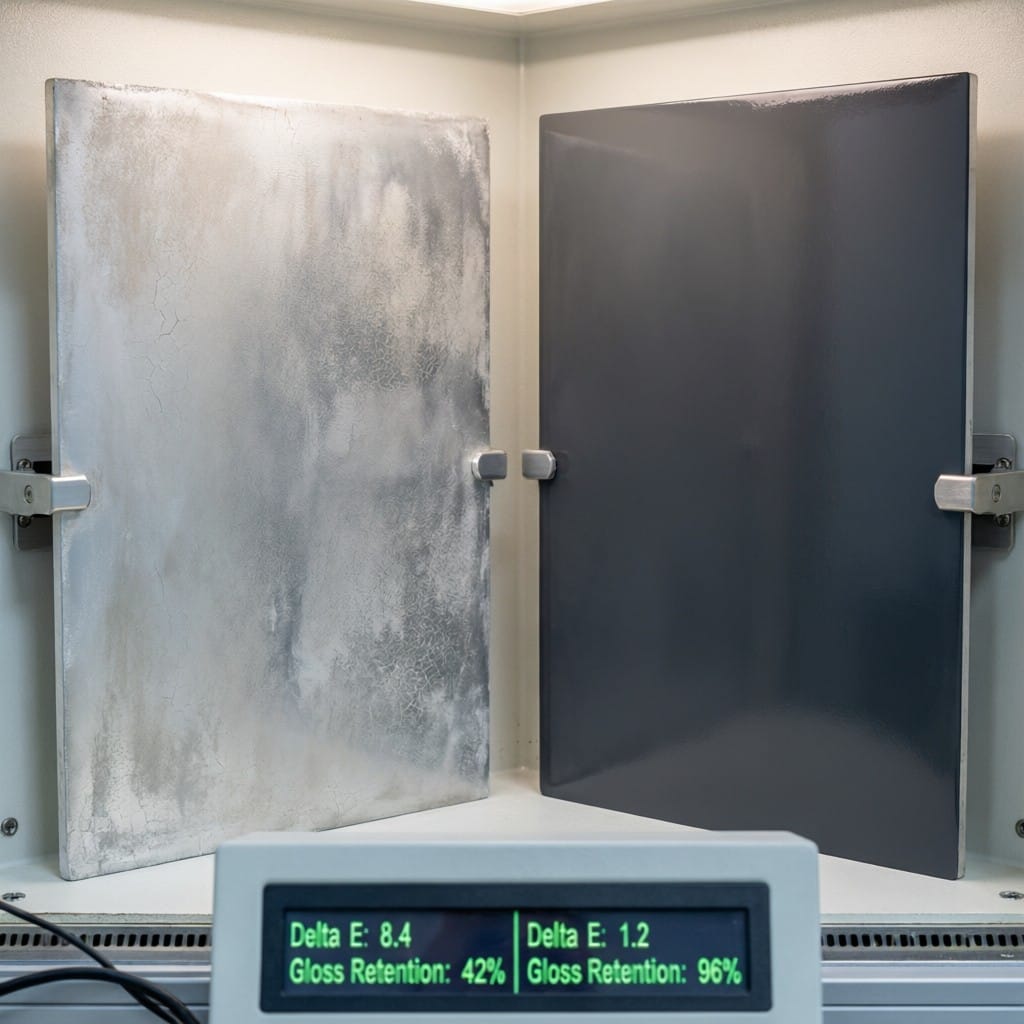
The takeaway: Anodized finishes offer superior scratch and heat resistance, ideal for high-touch or thermally demanding environments. Powder coatings provide better initial color variety and edge coverage, with slightly longer UV stability in most formulations — but are more vulnerable to mechanical damage. Neither is universally “better”; selection depends on environmental stressors and maintenance expectations.
Industry Angle — Products with Use Cases + Numbers
aluminum alloy shell supplies precision-engineered enclosures for global OEMs, including solar inverter housings rated for 10+ years in Arizona’s Sonoran Desert (ΔE < 1.5 after 5,000h QUV), and marine-grade control boxes for coastal monitoring stations in Southeast Asia (salt spray resistance: 2,000 hours per ASTM B117). Our AAS-UVX series features 6063-T5 alloy with Type III hard anodizing (25µm thickness, Ra ≤ 0.8µm), specified by European transit authorities for bus stop digital displays exposed to Mediterranean UV indices exceeding 9.
For U.S.-based EV charger manufacturers, our PC-OUTDOOR line uses super-durable polyester powder (Qualicoat Class 2 certified) applied at 80µm thickness, achieving 4,000 hours QUV without blistering — verified by SGS test report #UV-2023-8876. Minimum order quantities start at 50 units, with dimensional tolerances held to ±0.1mm on CNC-machined flanges. One Midwest utility provider reduced field service calls by 73% after switching to these enclosures, citing elimination of coating chalkiness and graphic fading previously seen at 18-month intervals.
Market-by-Market Guide
| Requirement | EU | US | Japan | UK |
|---|---|---|---|---|
| UV Stability Test Method | ISO 4892-3:2022 | ASTM G154-16 | JIS H 8601 Annex C | BS EN ISO 4892-3:2022 |
| Max Color Shift (ΔE) | ≤ 2.0 after 1,000h | ≤ 3.0 after 2,000h | ≤ 3.0 after 1,000h | ≤ 2.0 after 1,000h |
| Coating Thickness | ≥ 15µm anodized / ≥ 60µm PC | ≥ 12µm anodized / ≥ 50µm PC | ≥ 20µm anodized | ≥ 15µm anodized / ≥ 60µm PC |
| Fire Rating | EN 13501-1 Class B-s1,d0 | UL 94 V-0 (if applicable) | JIS A 1304 | BS 476 Part 6 & 7 |
Supplier Solution
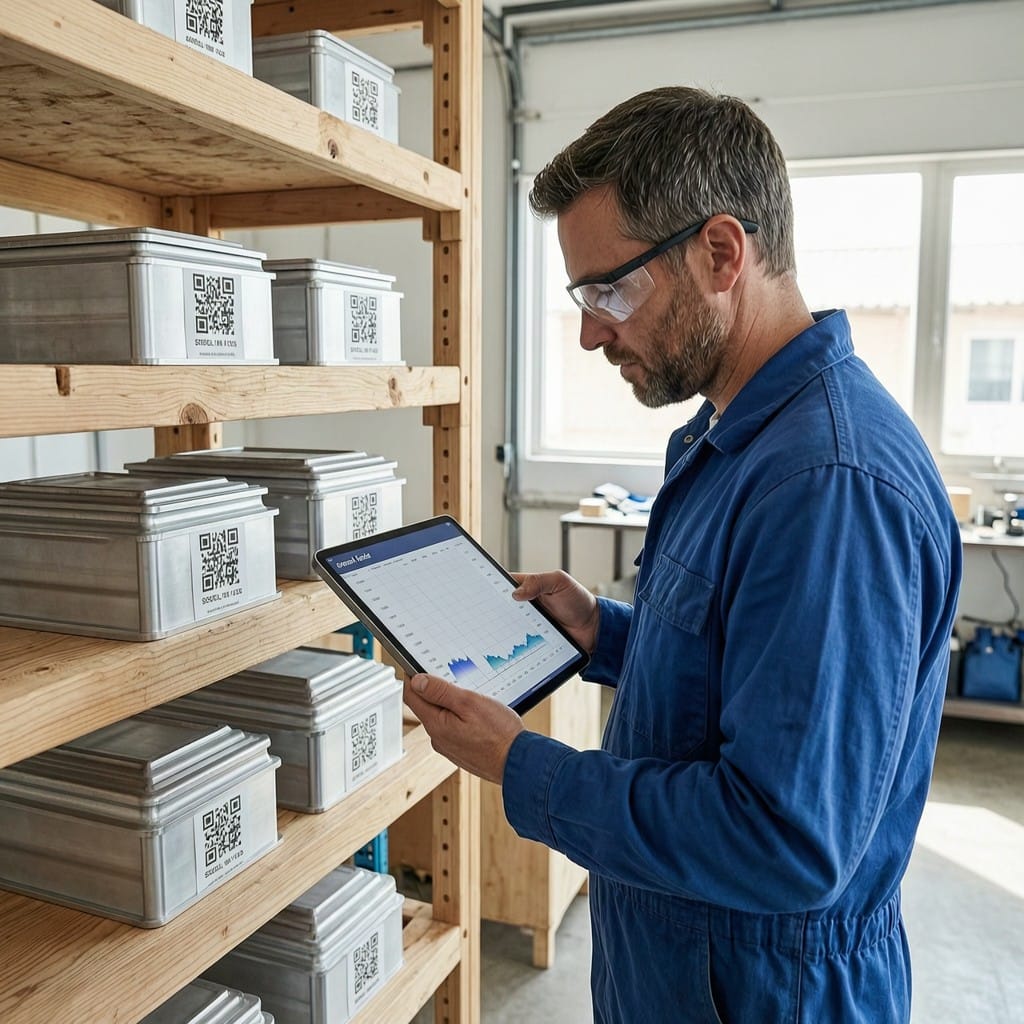
aluminum alloy shell operates a 2,000sqm factory in Dongguan with ISO 9001:2015 and ISO 14001:2015 certifications, ensuring process consistency for UV-critical applications. Every batch undergoes spectral colorimetry (using Konica Minolta CM-3700d) and QUV accelerated aging with documented ΔE and gloss retention logs. We provide full Chain of Custody documentation tracing alloy source (EN AW-6063) through finishing stage — including third-party lab reports from TÜV Rheinland or SGS upon request.
Specify our UV-stable enclosures with confidence: request a compliant sample with full CoC documentation and spectral fade curve data — shipped within 72 hours to validate performance against your regional requirements.
Verdict: Specify X For Y
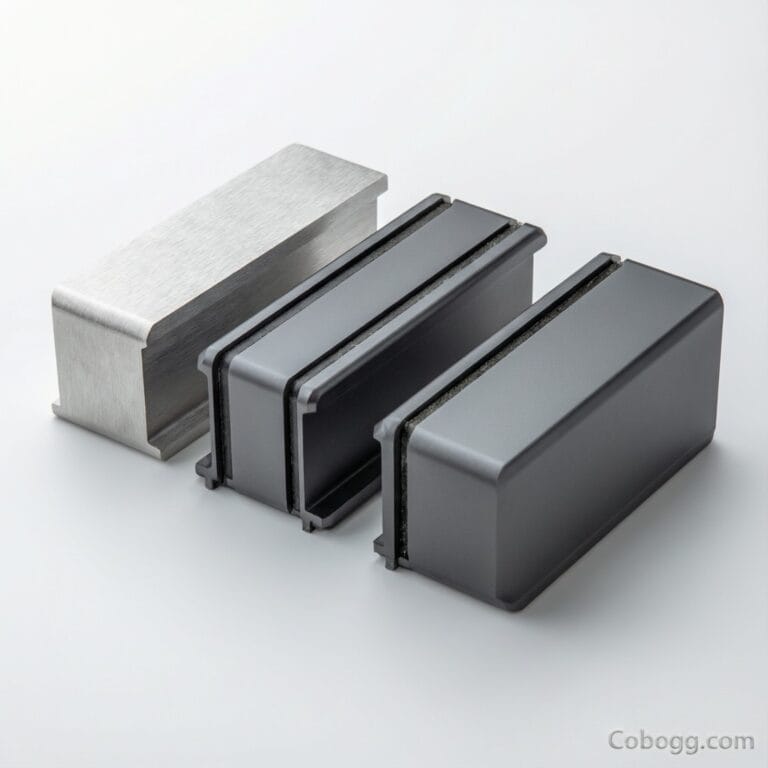
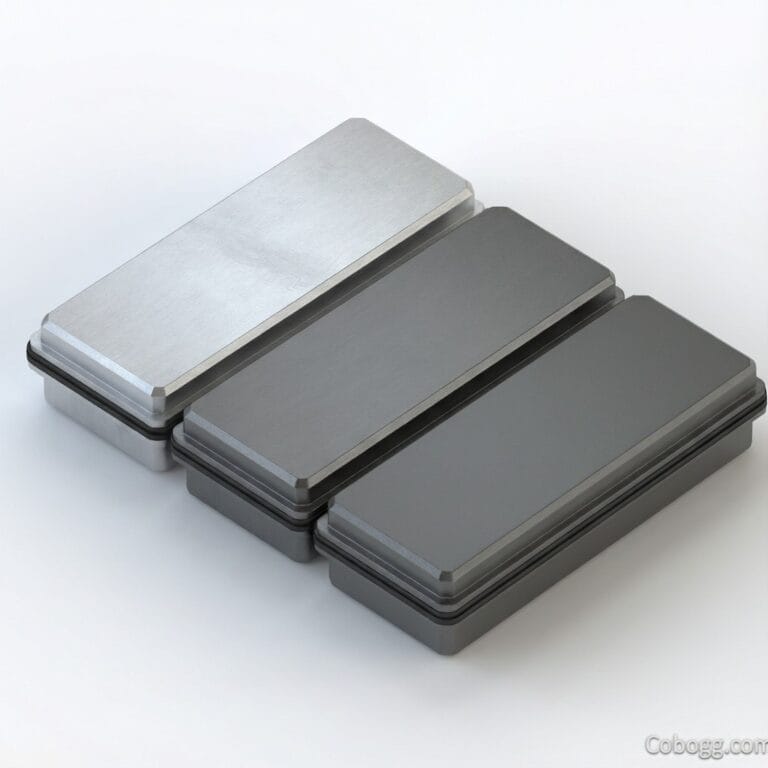
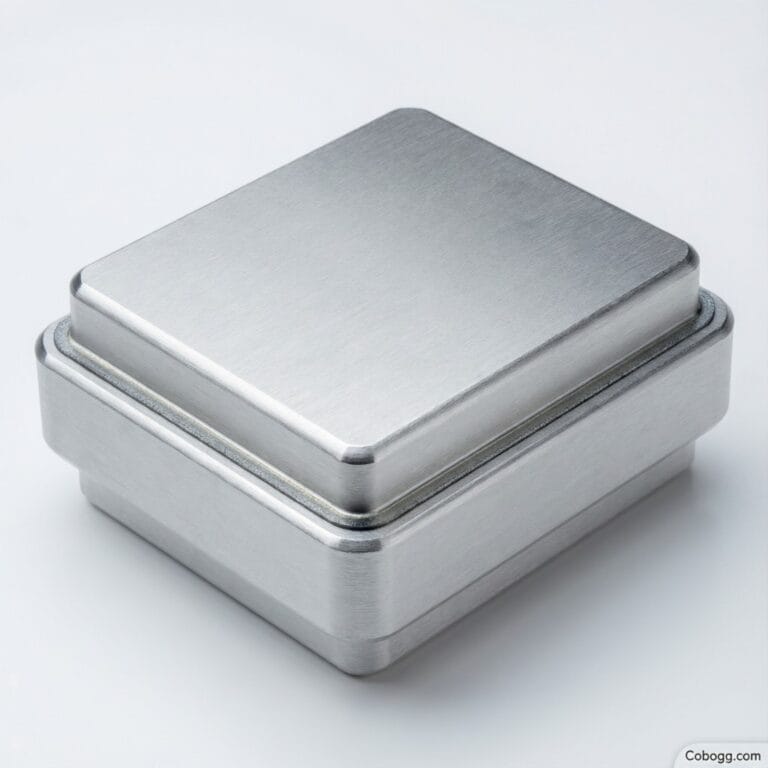
Specify anodized aluminum alloy shell for high-abrasion, high-temperature outdoor applications like transit shelters or industrial control boxes. Specify powder-coated aluminum alloy shell for large-format signage or consumer-facing kiosks requiring maximum color retention and design flexibility.
Q: What’s the minimum QUV rating I should specify for 5-year outdoor use?
After 3,000 hours QUV exposure per ASTM G154, expect ΔE ≤ 2.0 for maintained brand color accuracy — verified in aluminum alloy shell’s PC-OUTDOOR series.
Q: Does anodizing affect the thermal conductivity of the aluminum case?
Type II anodizing adds only 10–15µm thickness and reduces thermal conductivity by less than 5% — negligible for most thermal management designs using 6063-T5 alloy.
Q: Can I get RAL color matching with UV-stable powder coatings?
Yes — aluminum alloy shell matches RAL Classic, Pantone, and NCS palettes using Qualicoat Class 2 powders, guaranteeing ΔE < 1.0 batch-to-batch via spectrophotometric QC.
Q: What documentation proves UV compliance for EU or Japanese markets?
We supply ISO 4892-3 test reports (EU/UK) and JIS H 8601 Annex C certificates (Japan), each including spectral graphs and Lab* coordinates pre/post exposure.
Q: How does surface roughness (Ra) impact UV degradation?
Lower Ra values (≤ 0.8µm) reduce micro-crack initiation sites — aluminum alloy shell maintains Ra ≤ 0.8µm post-anodizing to extend coating lifespan under cyclic UV/thermal stress.