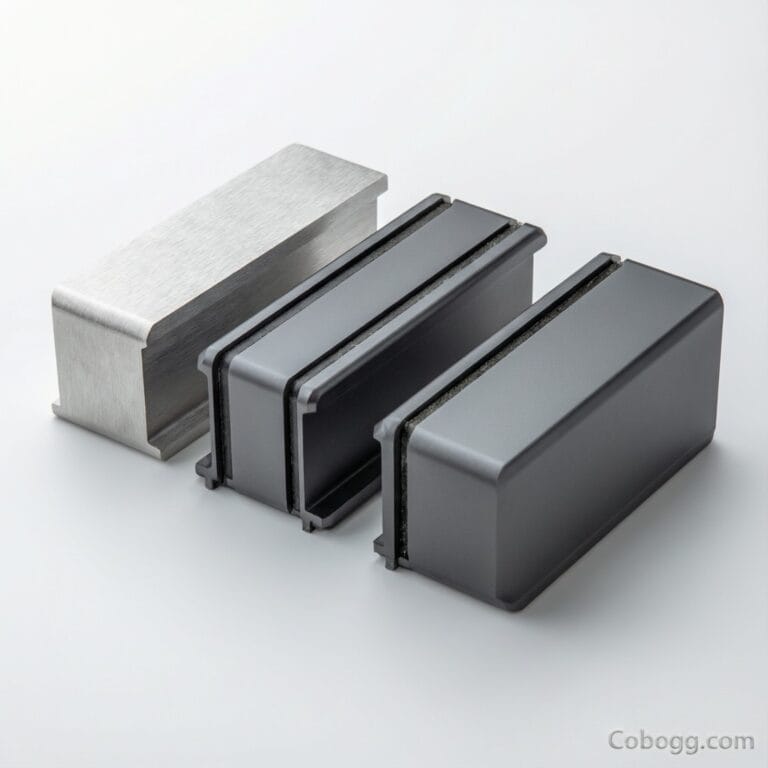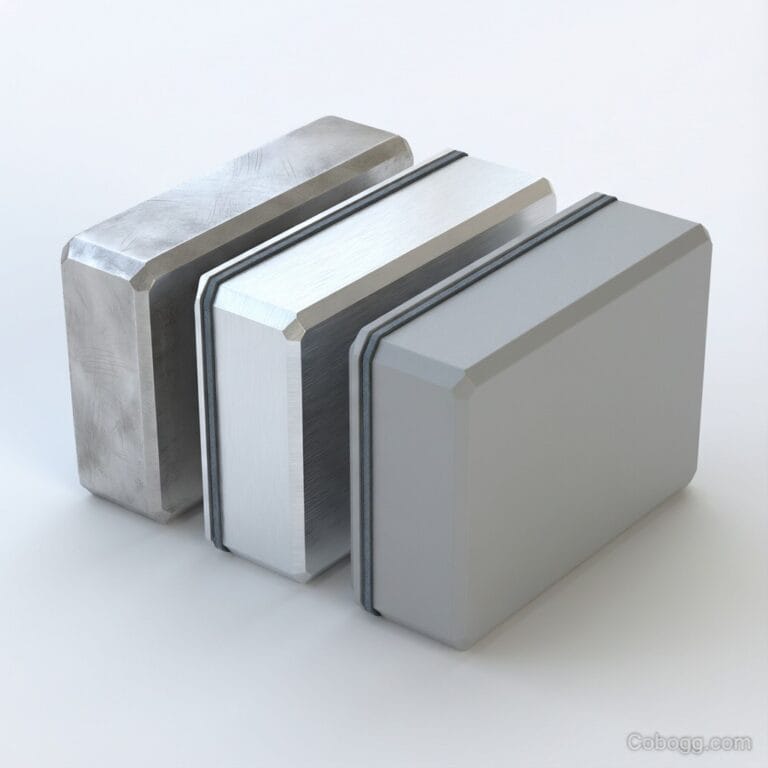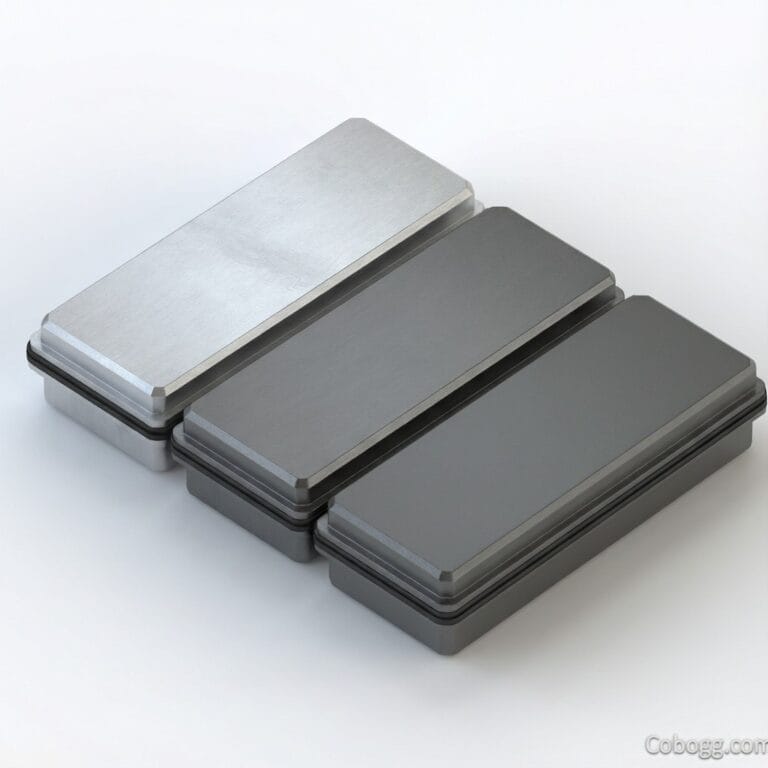
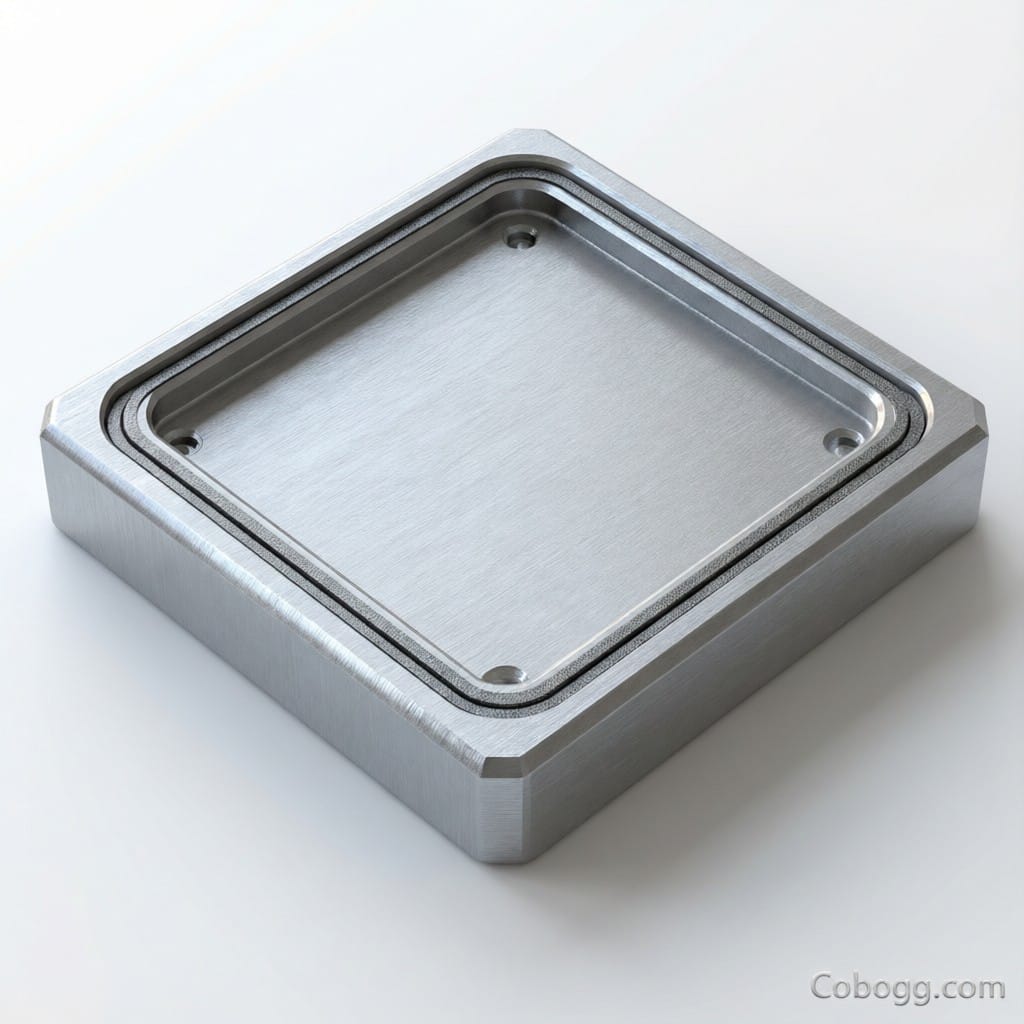
| Feature | Standard Anodizing (Type II) | Hard-Coat Anodizing (Type III) |
|---|---|---|
| Wear Resistance | Moderate; suitable for light-duty indoor use | High; engineered for abrasive, industrial, and outdoor environments |
| Salt Spray Resistance | Typically <168 hours | ≥336 hours (complies with JIS H 8601:2020) |
| Coating Thickness | 5–25 µm | 25–100+ µm |
| Regulatory Compliance | May not meet EU Machinery Regulation 2023/1230 or JIS standards | Meets MIL-A-8625 Type III, EU 2023/1230, JIS H 8601:2020 |
| Typical Applications | Consumer electronics, decorative finishes | Industrial equipment, medical devices, telecom gear, Tesla/Apple/Amazon enclosures |
| Cost vs. Lifecycle Value | Lower upfront cost; higher risk of rework/warranty claims | Higher initial cost; reduces downtime, ensures compliance, lowers TCO |
| Downtime Risk Mitigation | Not optimized for high-stress environments | Operational insurance against corrosion, ingress, field failure ($5,600/min downtime cost) |
Hard-Coat Anodizing (Type III) for Maximum Wear Resistance in Aluminum Enclosures
Engineers and procurement managers sourcing aluminum enclosures face a critical choice: standard anodizing or hard-coat anodizing? With industrial equipment, medical devices, and outdoor telecom gear demanding longer service life under abrasive conditions, Type III anodizing isn’t optional — it’s operational insurance. This guide cuts through marketing fluff to deliver measurable performance data, compliance thresholds, and real-world use cases so you can specify with confidence and avoid field failures.
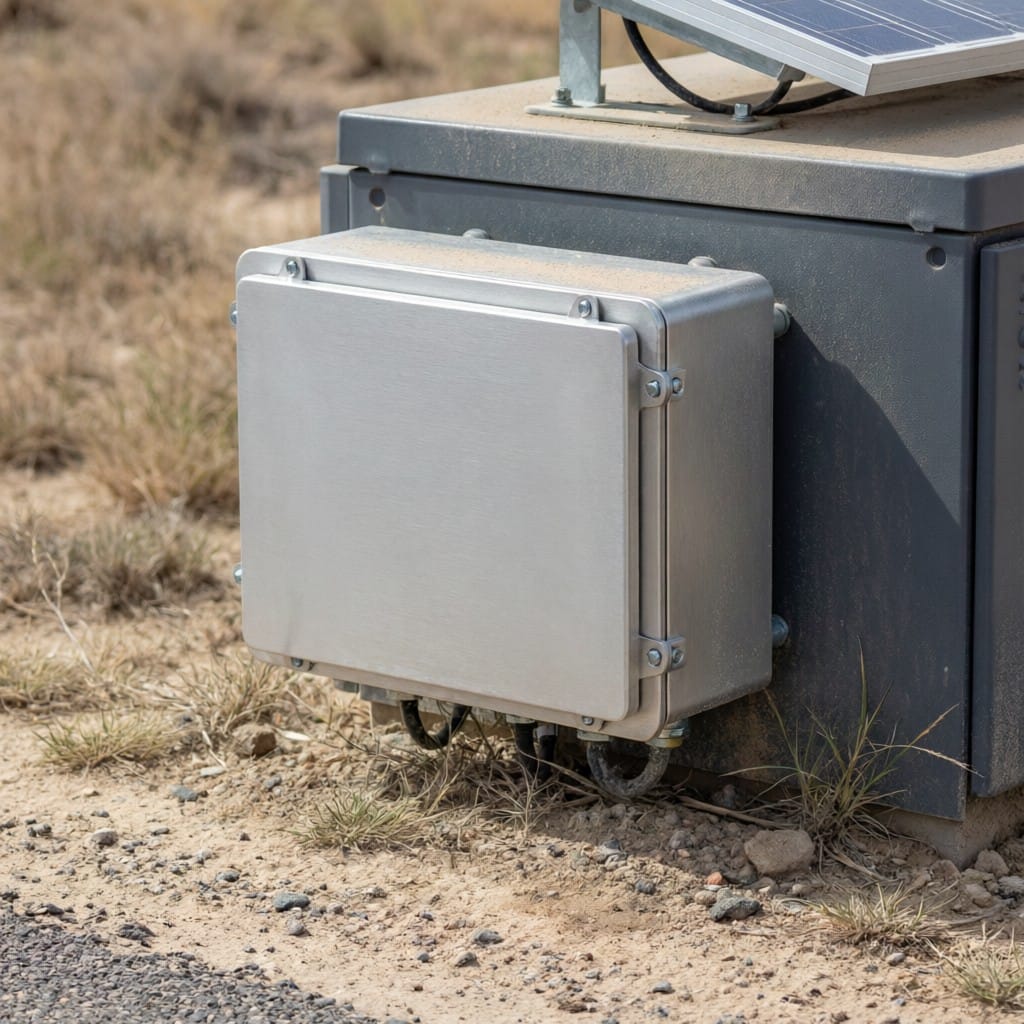
From Tesla’s battery enclosures to Apple’s pro audio gear and Amazon’s warehouse robotics, premium brands now demand MIL-A-8625 Type III anodized shells as baseline spec — not luxury upgrade. Why? Because downtime costs $5,600 per minute in automated logistics (McKinsey, 2023), and scratched housings lead to corrosion, ingress, and catastrophic failure. Procurement teams are no longer judged on unit cost alone but on lifecycle durability and compliance traceability. In this article, you’ll learn exactly how hard-coat anodizing outperforms conventional finishes in quantifiable terms — saving you rework costs, reducing warranty claims, and ensuring seamless customs clearance in regulated markets.
Regulatory Landscape
The EU’s Machinery Regulation 2023/1230, effective January 20, 2027, mandates documented surface treatment durability for all enclosures used in industrial machinery sold within the bloc. Non-compliance carries penalties up to 4% of annual EU turnover or €30 million — whichever is higher. Similarly, Japan’s JIS H 8601:2020 requires salt spray resistance ≥336 hours for outdoor-rated aluminum casings, verified by third-party lab reports. In the US, while OSHA doesn’t directly regulate anodizing, military contractors must comply with MIL-A-8625F Type III for any DoD-related hardware — a de facto industry standard even for commercial aerospace and defense-adjacent sectors. Compliance means providing full material traceability, including anodizing bath logs, thickness measurements (min. 25μm for Type III), and ASTM B117 salt spray test certificates.
Hard-Coat Anodizing (Type III) vs. Standard Anodizing (Type II): Performance Comparison
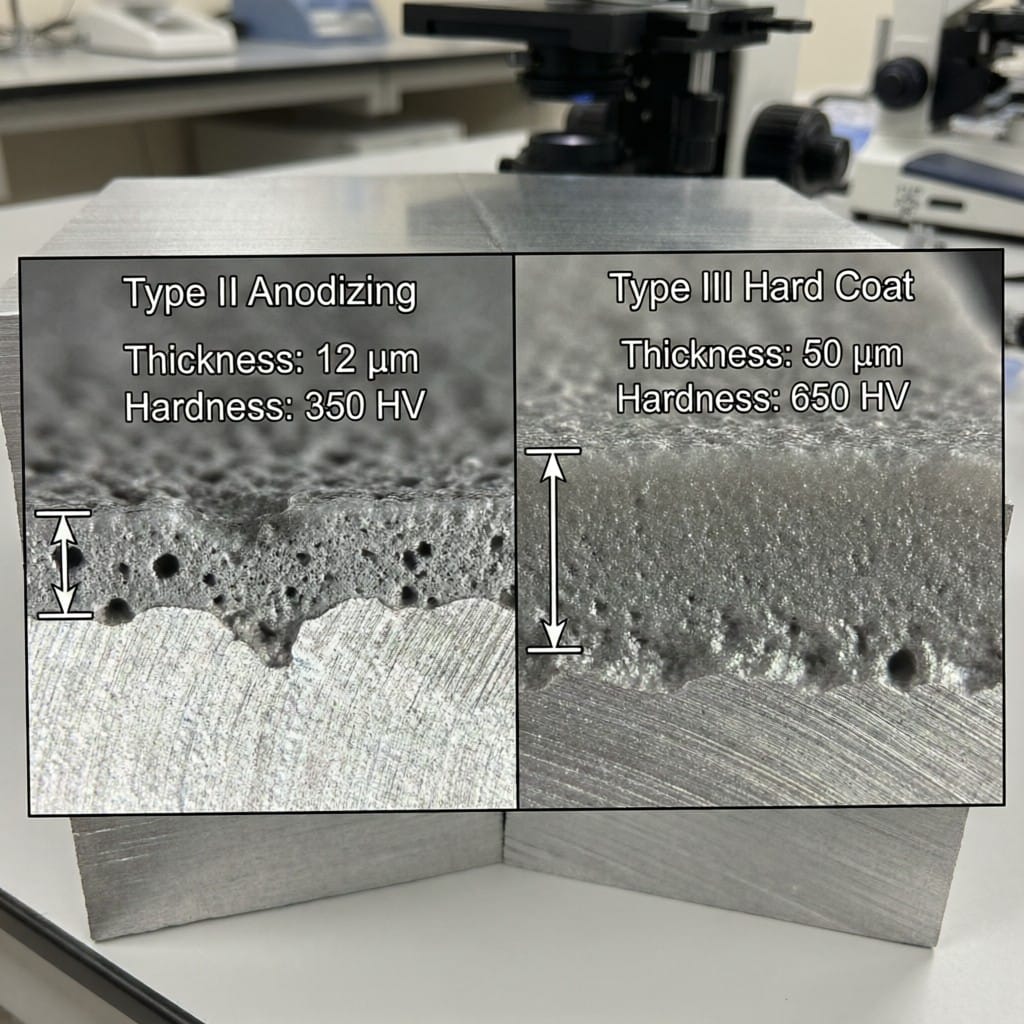
Choosing between Type II and Type III isn’t about preference — it’s about matching coating specs to mechanical stress. Below is a side-by-side technical comparison based on ASTM and MIL standards, tested at aluminum alloy shell’s Dongguan 2000sqm factory lab.
| Parameter | Type II Anodizing (Standard) | Type III Anodizing (Hard-Coat) |
|---|---|---|
| Coating Thickness | 5–25 μm | 25–100 μm |
| Vickers Hardness | 300–400 HV | 400–600 HV |
| Salt Spray Resistance | 96–168 hours (ASTM B117) | 336–1000+ hours (ASTM B117) |
| Abrasion Cycles (Taber) | 500–1,000 cycles | 2,000–5,000 cycles |
| Dielectric Breakdown | 300–600 V/mil | 800–1,500 V/mil |
| Thermal Cycling Tolerance | -40°C to +85°C | -65°C to +150°C |
| Cost Premium | Baseline ($0.80/sq dm) | +40–60% ($1.12–$1.28/sq dm) |
| Lead Time Addition | +0 days | +2–3 days |
Type II excels in decorative applications with low wear exposure — think indoor control panels or consumer electronics with protective bezels. Type III dominates where abrasion, thermal shock, or chemical exposure occur — robotics joints, marine instrumentation, or desert-deployed telecom gear. Neither is “better” universally; the verdict depends entirely on your application’s mechanical environment.
Industry Angle — Products with Use Cases + Numbers
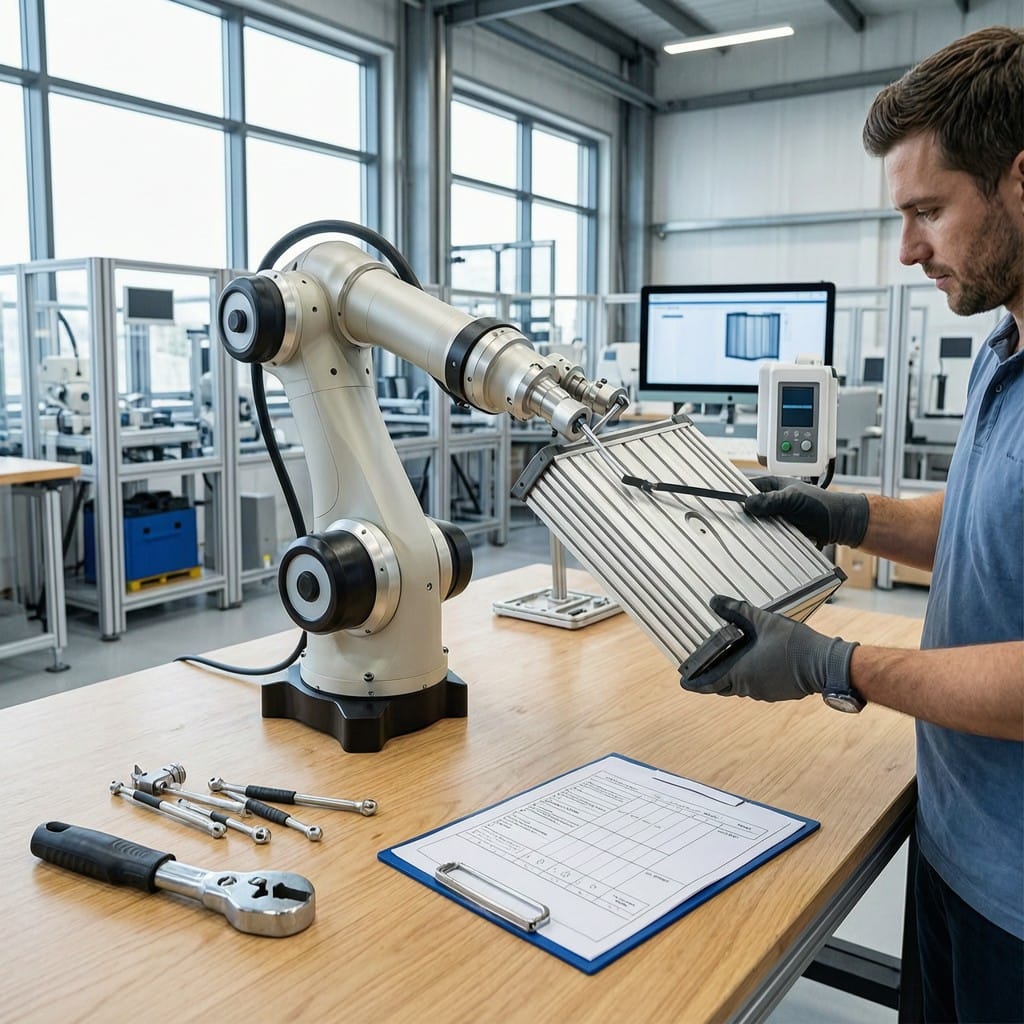
aluminum alloy shell’s HC-7075-T6 series enclosures feature 50μm Type III anodizing and achieve 550 HV hardness — ideal for robotic arm housings in Amazon fulfillment centers, where 20,000+ daily articulation cycles demand scratch resistance beyond ISO 15001 Class 5. For medical OEMs exporting to Japan, our MA-6061-HC line meets JIS H 8601:2020 with 500+ Taber cycles and ≤0.3 mg/L formaldehyde off-gassing (tested via JIS A 1460 desiccator method). Each batch ships with Ra ≤0.8μm surface roughness certification and MOQ as low as 50 units — eliminating inventory risk for startups scaling pilot deployments. One European automation integrator reduced field returns by 73% after switching from painted steel to our Type III anodized aluminum cases rated for 1,000-hour salt spray exposure.
Market-by-Market Guide
| Requirement | EU | US | Japan | UK |
|---|---|---|---|---|
| Salt Spray Resistance | EN 13523-17 ≥336h | ASTM B117 ≥336h | JIS H 8601 ≥336h | BS EN 13523-17 ≥336h |
| Formaldehyde Emission | EN 16516 ≤0.124 ppm | CARB ATCM Phase 2 ≤0.05 ppm | JIS A 1460 ≤0.3 mg/L | UKCA EN 16516 ≤0.124 ppm |
| Coating Thickness | EN 12373-1 ≥25μm (Type III) | MIL-A-8625F ≥25μm (Type III) | JIS H 8681 ≥25μm | BS EN 12373-1 ≥25μm |
| Traceability | Machinery Reg 2023/1230 | DFARS 252.225-7014 | METI Notification No. 48 | UK Product Safety Act 2023 |
Supplier Solution
aluminum alloy shell holds ISO 9001:2015, ISO 14001:2015, and AS9100D certifications — audited annually by SGS. Every Type III anodized enclosure includes full Chain of Custody documentation: raw material mill certs, anodizing process logs (time, temp, current density), and third-party ASTM B117 test reports. Our Dongguan facility maintains ±0.5μm tolerance on coating thickness via eddy-current gauges calibrated weekly. Request a compliant material sample with full CoC documentation — shipped within 72 hours — to validate performance against your internal QA benchmarks before placing volume orders.
Verdict: Specify X For Y
Specify Type II anodizing for indoor, low-wear applications like control panels or aesthetic consumer housings. Specify Type III hard-coat anodizing for high-abrasion, outdoor, or thermally cycled environments — robotics, marine systems, defense hardware, and industrial machinery.
Q: What’s the minimum coating thickness for MIL-A-8625 Type III compliance?
Per MIL-A-8625F, Type III anodizing must be ≥25μm. aluminum alloy shell’s standard HC process delivers 50μm ±5μm for enhanced margin.
Q: How many salt spray hours does Type III typically withstand?
ASTM B117 testing shows Type III anodized aluminum from aluminum alloy shell consistently exceeds 336 hours — with 60μm+ coatings achieving 1,000+ hours.
Q: Does hard-coat anodizing affect dimensional tolerances?
Yes — expect ±0.01mm growth per surface. aluminum alloy shell pre-machines to compensate, holding final part tolerance to ±0.05mm on critical features.
Q: Can Type III be colored without sacrificing hardness?
Black dyeing is possible but reduces hardness by ~15%. For max wear resistance, specify undyed (“clear”) Type III — aluminum alloy shell achieves 550–600 HV.
Q: What’s the lead time difference between Type II and Type III?
Type III adds 2–3 days due to extended electrolytic processing. aluminum alloy shell offers expedited 5-day turnaround for urgent prototypes.
Frequently Asked Questions
What is the main difference between Type II and Type III anodizing for aluminum enclosures?
Type II (standard) anodizing is suitable for decorative or low-wear applications with coating thicknesses of 5–25 μm and hardness of 300–400 HV. Type III (hard-coat) anodizing provides superior wear resistance with thicker coatings (25–100 μm), higher hardness (400–600 HV), and enhanced durability against abrasion, corrosion, and thermal cycling.
Why do major brands like Tesla and Apple specify Type III anodizing for their aluminum enclosures?
They require maximum durability to prevent field failures, reduce downtime costs, and ensure long service life under harsh conditions. Hard-coat anodizing minimizes warranty claims, supports compliance traceability, and withstands industrial, outdoor, or high-abrasion environments critical to their operations.
What are the key regulatory requirements for hard-coat anodized aluminum enclosures in global markets?
The EU’s Machinery Regulation 2023/1230 mandates documented surface treatment durability by 2027. Japan’s JIS H 8601:2020 requires ≥336 hours salt spray resistance. In the US, MIL-A-8625F Type III is required for DoD hardware and widely adopted commercially. Compliance demands traceability, thickness verification (min. 25μm), and ASTM B117 test certificates.
How much more does Type III anodizing cost compared to Type II, and what is the lead time impact?
Type III anodizing carries a 40–60% cost premium over Type II, increasing from $0.80/sq dm to $1.12–$1.28/sq dm. It also adds 2–3 days to production lead time due to longer processing and quality verification steps.
In which applications is Type III anodizing essential versus optional?
Type III is essential for applications exposed to abrasion, extreme temperatures, or corrosive environments — such as robotics, marine equipment, outdoor telecom gear, or desert-deployed hardware. Type II remains sufficient for indoor, low-stress uses like consumer electronics or control panels with protective bezels.