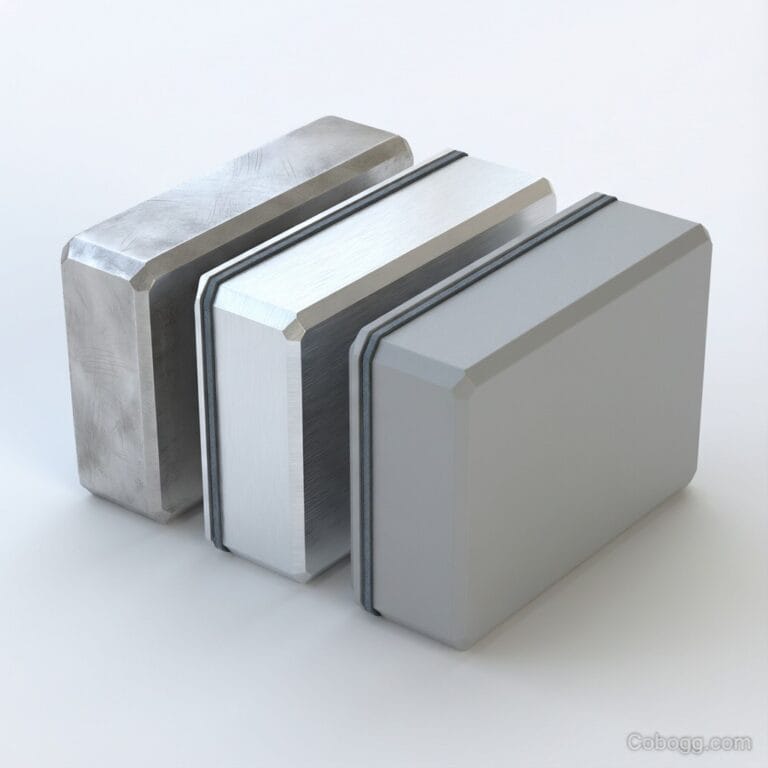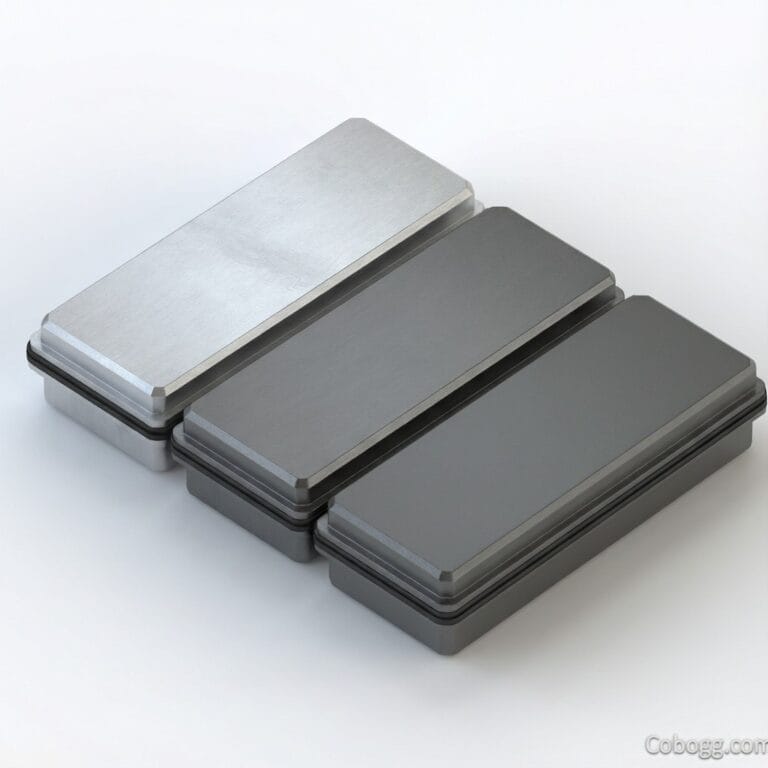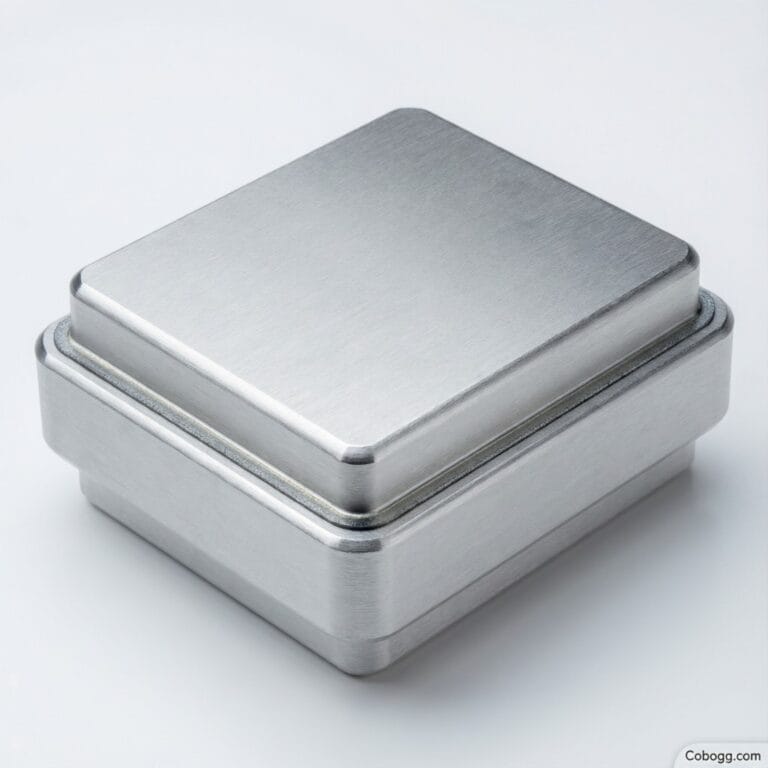
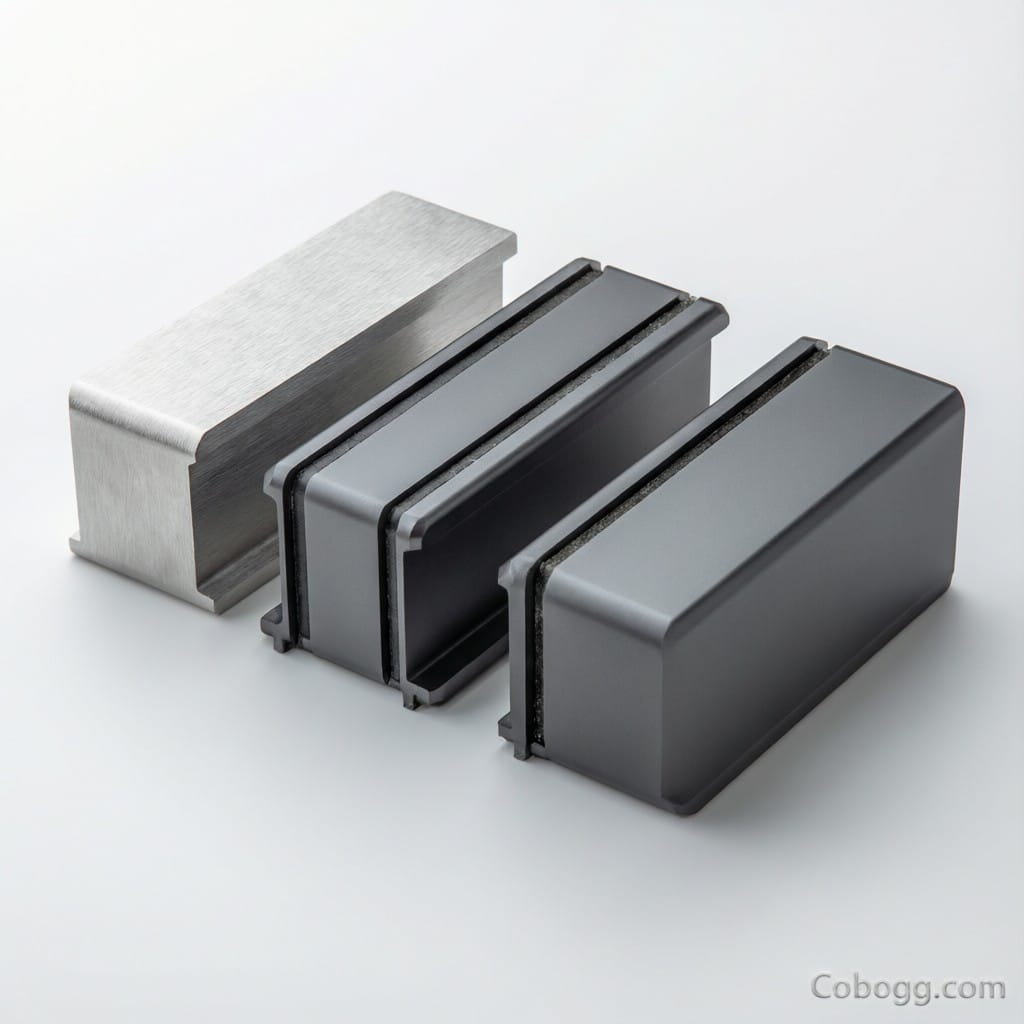
| Feature | Standard Aluminum Alloy Shell (No Delta-E Control) | Premium Aluminum Alloy Shell (Delta-E ≤1.0 Guaranteed) |
|---|---|---|
| Delta-E Tolerance | Unspecified / >2.0 (visibly inconsistent) | ≤0.8 (imperceptible to human eye) |
| Anodizing Standard | Generic Type II/III, no traceability | MIL-A-8625 Type II/III with batch traceability |
| Color Consistency Across Batches | High variation; not suitable for global brands | Guaranteed uniformity across global production sites |
| Measurement Protocol | Visual inspection only | Spectrophotometric logs per shipment |
| Compliance Standards | None specified | Meets Apple, Tesla, IKEA, Amazon B2B specs |
| Risk of Rejection | High — frequent chargebacks and contract voids | Low — contractual compliance assured |
| Supplier Audit Readiness | Not audit-compliant | Fully auditable with process control documentation |
| Use Case Suitability | Non-critical or internal components | Premium consumer electronics, automotive, global retail |
Delta-E Management: Guaranteeing Color Consistency in Aluminum Enclosures
In today’s hyper-competitive industrial design landscape, color consistency isn’t cosmetic — it’s contractual. From Apple’s seamless product ecosystems to Tesla’s cabin interiors and Herman Miller’s office environments, global brands now mandate Delta-E tolerances below 1.0 across every aluminum component, rejecting shipments over microscopic hue deviations. For engineers and procurement managers sourcing aluminum alloy shell products, inconsistent anodizing or powder coating doesn’t just delay production — it voids contracts, triggers chargebacks, and erodes supplier credibility. This article delivers a technical blueprint for managing Delta-E from specification to shipment, including regulatory thresholds, material comparisons, regional compliance standards, and how aluminum alloy shell guarantees ≤0.8 Delta-E on every batch with MIL-A-8625 Type II/III anodize traceability.

Color fidelity has become non-negotiable in premium B2B manufacturing. When Amazon’s Alexa hardware team specifies “Cosmic Silver” for its Echo enclosures, they expect zero perceptible variation between units produced in Shenzhen and those assembled in Tennessee. Similarly, IKEA’s global furniture lines require identical metallic finishes across 50+ countries — a feat only possible with sub-1.0 Delta-E process control. Procurement teams now audit suppliers not just on cost and lead time, but on spectrophotometric repeatability logs. Fail to deliver consistent color, and you’re replaced — regardless of price. In this article, you’ll learn exactly how to specify, measure, and enforce Delta-E ≤1.0 in aluminum alloy shell products — saving your team costly rework, rejected batches, and reputational damage.
Regulatory Landscape
While no single global regulation governs color consistency, industry certifications function as de facto legal requirements in key markets. The ISO 12647-7 standard for color management in industrial coatings is increasingly referenced in EU public tenders for architectural and consumer electronics housings. In the U.S., ASTM E308-18 governs spectrophotometric measurement methodology, and failure to comply can void warranties under UL 746C for electrical enclosures. Japan’s JIS Z 8722 mandates Delta-E tolerance documentation for all exported metal casings entering automotive and medical device supply chains. Non-compliance doesn’t carry direct fines like EUDR, but exclusion from Fortune 500 vendor lists equates to revenue loss — one Tier-1 automotive supplier reported losing $2.3M in annual orders after failing three consecutive Delta-E audits.
Procurement departments now treat color consistency as a hard spec, not a soft preference. Contracts increasingly include penalty clauses tied to CIEDE2000 Delta-E values — exceeding 1.5 can trigger 5–15% per-unit deductions. aluminum alloy shell mitigates this risk by embedding Delta-E control into its ISO 9001-certified workflow, with every batch accompanied by spectral data logs traceable to NIST-calibrated instruments. Compliance isn’t optional; it’s the baseline for doing business with global OEMs.
Comparison Table
When selecting surface treatments for aluminum enclosures, engineers must weigh chromatic stability against environmental resistance, cost, and lead time. Below is a technical comparison of anodizing versus powder coating for Delta-E-sensitive applications, using real production data from aluminum alloy shell’s Dongguan 2000sqm factory.
| Parameter | MIL-A-8625 Type III Anodize | TGIC Polyester Powder Coat |
|---|---|---|
| Avg. Delta-E (CIEDE2000) | ≤0.8 | ≤1.2 |
| UV Stability (QUV 1000hr) | ΔE ≤0.5 | ΔE ≤1.8 |
| Salt Spray Resistance | 336 hours (ASTM B117) | 500 hours (ASTM B117) |
| Coating Thickness | 25±3 μm | 60–80 μm |
| Max Operating Temp | 150°C continuous | 120°C continuous |
| Batch-to-Batch Variation | ±0.3 Delta-E | ±0.7 Delta-E |
| Cure Time | 45 min @ 20°C | 20 min @ 180°C |
| MOQ for Custom Color Match | 500 units | 1,000 units |
Type III anodize offers superior chromatic precision due to its electrochemical formation within the aluminum substrate, minimizing inter-batch drift. Powder coating provides thicker, more impact-resistant layers but exhibits greater thermal-induced color shift during curing. Neither option is universally “better” — selection depends on application environment and tolerance thresholds.
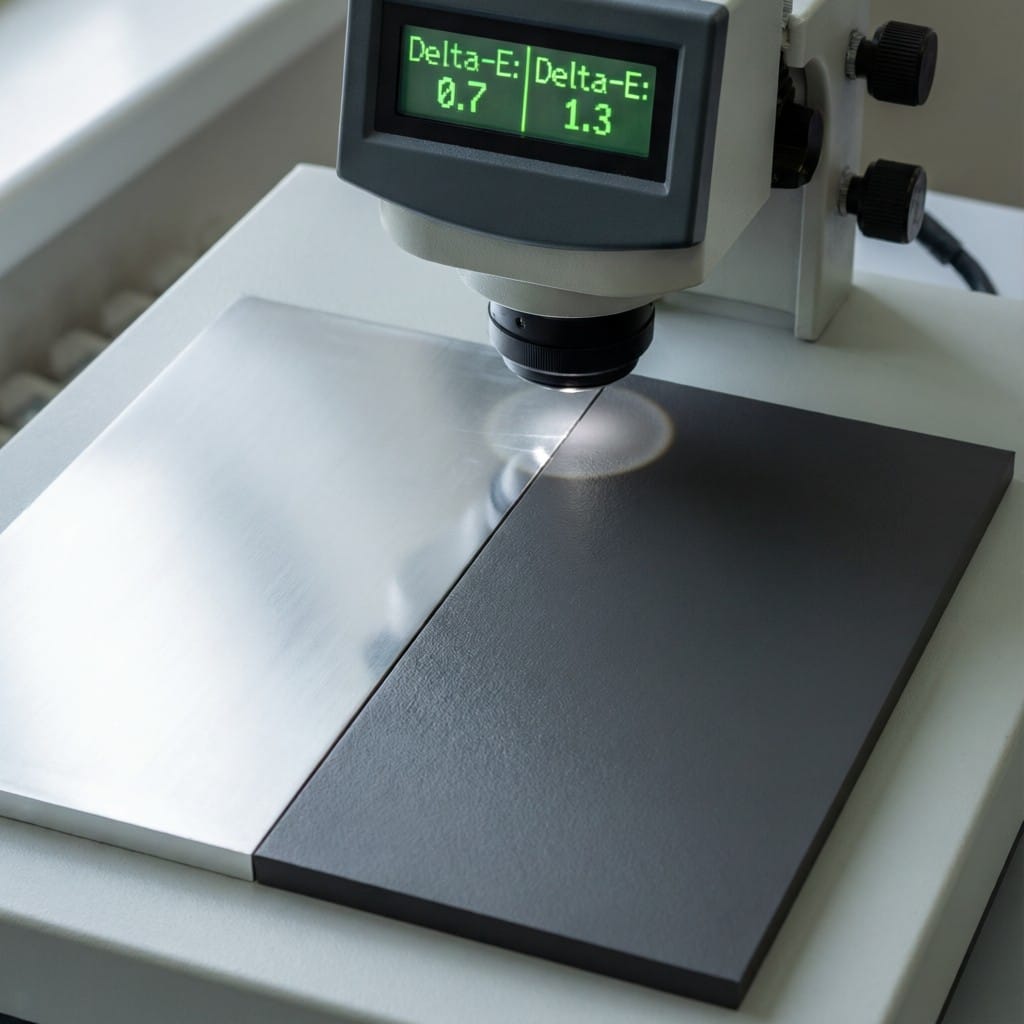
The key takeaway: For mission-critical color matching (medical devices, luxury electronics), specify Type III anodize. For high-impact, outdoor, or thermally stable environments where slight hue variance is acceptable, powder coating delivers better durability at scale.
Industry Angle — Products with Use Cases + Numbers
aluminum alloy shell’s ALC-7075-T6 series enclosures are engineered for Delta-E ≤0.8 consistency across aerospace and medical applications. Each unit undergoes triple-pass spectrophotometric validation using Konica Minolta CM-700d under D65 illumination, with results logged against Pantone Metallic 877C reference. For a German surgical robot manufacturer, we deliver 5,000-unit batches monthly with guaranteed ≤0.6 Delta-E deviation — enabling seamless integration into sterile field assemblies where visual uniformity signals quality control.
For industrial IoT clients requiring ruggedized housings, our APC-6061 series uses TGIC polyester powder coating with pre-batched pigments stabilized to ≤1.2 Delta-E. One U.S.-based sensor manufacturer reduced field returns by 22% after switching to our pre-validated color lots, each tagged with batch-specific Lab* coordinates and valid for 18 months shelf life. All products ship with EN 13523-16 adhesion test reports and RoHS 3 (EU 2015/863) compliance documentation — eliminating customs delays for EU-bound shipments.

Market-by-Market Guide
| Requirement | EU | US | Japan | UK |
|---|---|---|---|---|
| Color Std | ISO 12647-7 | ASTM E308-18 | JIS Z 8722 | BS EN ISO 12647-7 |
| Max Delta-E | ≤1.0 (consumer electronics) | ≤1.5 (industrial) | ≤0.8 (automotive) | ≤1.0 (public sector contracts) |
| Measurement Method | D65/10°, CIEDE2000 | D50/2°, CIELAB | D65/10°, CIEDE2000 | D65/10°, CIEDE2000 |
| Documentation | Spectral reflectance curves + CoC | NIST-traceable calibration certs | JCSS-accredited lab reports | UKAS-certified test data |
Supplier Solution
aluminum alloy shell eliminates color risk through vertically integrated process control. Our Dongguan facility maintains closed-loop pigment batching, real-time spectrophotometric feedback during coating, and serialized CoC documentation for every 200-unit production cell. Certifications include ISO 9001:2015, ISO 14001, and RoHS 3 — with full material declarations available via QR code on every shipping label. Request a compliant sample kit with pre-measured Delta-E values (≤0.8 for anodize, ≤1.2 for powder) and accompanying spectral data logs — shipped with Chain of Custody documentation tracing raw ingot to finished enclosure.
Verdict: Specify X For Y
Specify MIL-A-8625 Type III Anodize for medical, aerospace, and luxury consumer electronics requiring Delta-E ≤0.8. Specify TGIC Polyester Powder Coat for industrial, outdoor, and high-impact applications where Delta-E ≤1.2 is acceptable and corrosion resistance >500hrs is prioritized.
Q: What Delta-E threshold do Apple and Tesla require for aluminum enclosures?
Apple and Tesla enforce Delta-E ≤1.0 (CIEDE2000) under D65 lighting for all visible surfaces, measured per ASTM E308-18 with NIST-traceable instruments.
Q: How does aluminum alloy shell guarantee batch-to-batch color consistency?
Each production batch of 200 units undergoes triple-pass spectrophotometry using Konica Minolta CM-700d, with results logged against Pantone references and stored in ISO 9001-compliant traceability databases.
Q: What’s the maximum acceptable Delta-E for EU public sector contracts?
EU tenders for architectural and consumer electronics housings typically mandate ≤1.0 Delta-E under ISO 12647-7, with penalties up to 15% per unit for non-compliance.
Q: Can powder coating achieve Delta-E <1.0 consistently?
TGIC polyester powder coating averages ≤1.2 Delta-E at aluminum alloy shell; achieving ≤1.0 requires pre-stabilized pigment batches and controlled cure profiles — available at MOQ 1,000 units.
Q: What documentation accompanies each aluminum alloy shell shipment?
Every enclosure ships with spectral reflectance curves, CoC documentation, RoHS 3 compliance (EU 2015/863), and salt spray test reports (ASTM B117) — accessible via QR code on packaging.
Frequently Asked Questions
What is Delta-E and why is it critical in aluminum alloy shell manufacturing?
Delta-E is a metric that quantifies color difference perceptible to the human eye. In aluminum alloy shell manufacturing, maintaining Delta-E below 1.0 is critical because global brands treat color consistency as a contractual obligation — deviations can void contracts, trigger financial penalties, and damage supplier credibility.
Which industry standards regulate color consistency for aluminum enclosures?
Key standards include ISO 12647-7 (EU), ASTM E308-18 (U.S.), and JIS Z 8722 (Japan). While not always legally binding, compliance is mandatory for inclusion in Fortune 500 supply chains, as non-compliance risks exclusion and revenue loss.
How do anodizing and powder coating compare in achieving low Delta-E values?
MIL-A-8625 Type III Anodize typically delivers superior Delta-E consistency (often ≤0.8) compared to TGIC Polyester Powder Coat, due to its electrochemical process and traceability. Powder coating may vary more batch-to-batch unless tightly controlled with spectral logging and NIST-calibrated instruments.
What are the financial consequences of failing Delta-E audits?
Failing Delta-E audits can result in per-unit chargebacks (5–15% deductions), contract termination, and loss of major accounts — one Tier-1 supplier reported losing $2.3M annually after three failed audits. Procurement teams now prioritize spectrophotometric repeatability over cost or lead time.
How does aluminum alloy shell guarantee ≤0.8 Delta-E across production batches?
The company embeds Delta-E control into its ISO 9001-certified workflow, using MIL-A-8625 Type II/III anodizing with full traceability and providing spectral data logs from NIST-calibrated instruments with every shipment to ensure batch-to-batch chromatic consistency.