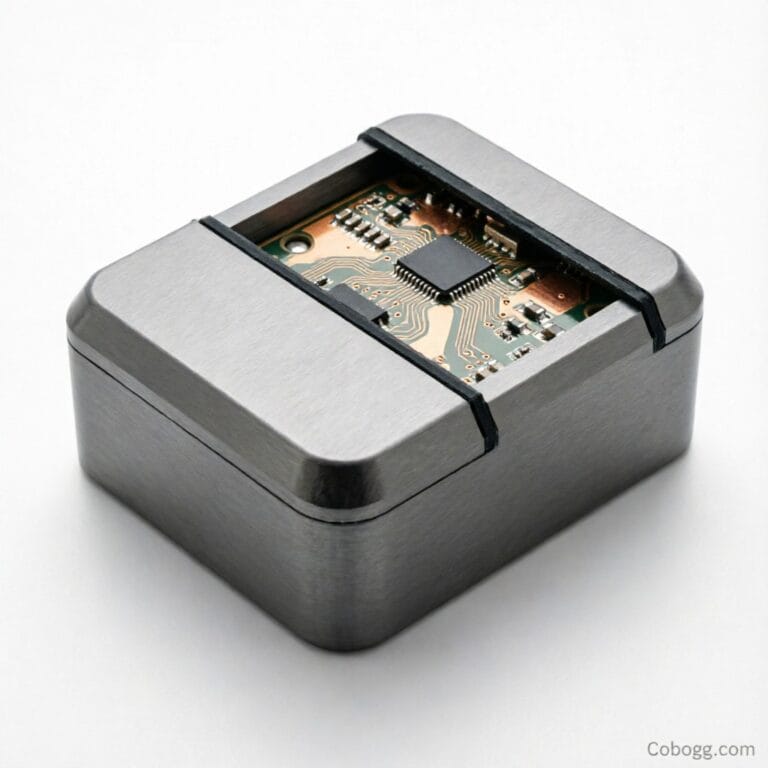
| Feature | Aluminum Alloy Shell (Anodized) | Stainless Steel Enclosure | Painted Steel Enclosure |
|---|---|---|---|
| Outgassing Performance | Zero outgassing (MIL-A-8625 Type II/III) | Low, but may require passivation | High risk due to paint volatiles |
| Corrosion Resistance | ASTM B117 336h+ | Excellent (inherent) | Poor (paint degrades over time) |
| Thermal Dimensional Stability | High (engineered for thermal cycling) | Moderate | Low (warping and coating failure) |
| ISO Class 5 Cleanroom Compliance | Meets ≤3,520 particles ≥0.5µm/m³ | Requires surface treatment validation | Unlikely to comply without modification |
| ESD Safety | Compatible with grounding; anodized layer controllable | Inherently conductive | Insulating paint layer risks ESD buildup |
| UHV Compatibility | Yes (non-outgassing surface) | Yes (with proper finish) | No (volatile organics from paint) |
| Total Cost of Ownership (vs Stainless) | Up to 40% lower | Baseline (100%) | Lower initial cost, higher maintenance |
| Regulatory Documentation Support | Full surface chemistry & particulate profiles | Limited unless specially certified | Rarely available |
| Modularity / Reconfigurability | High (lightweight, precision machined) | Low (heavy, rigid) | Very Low (brittle coatings) |
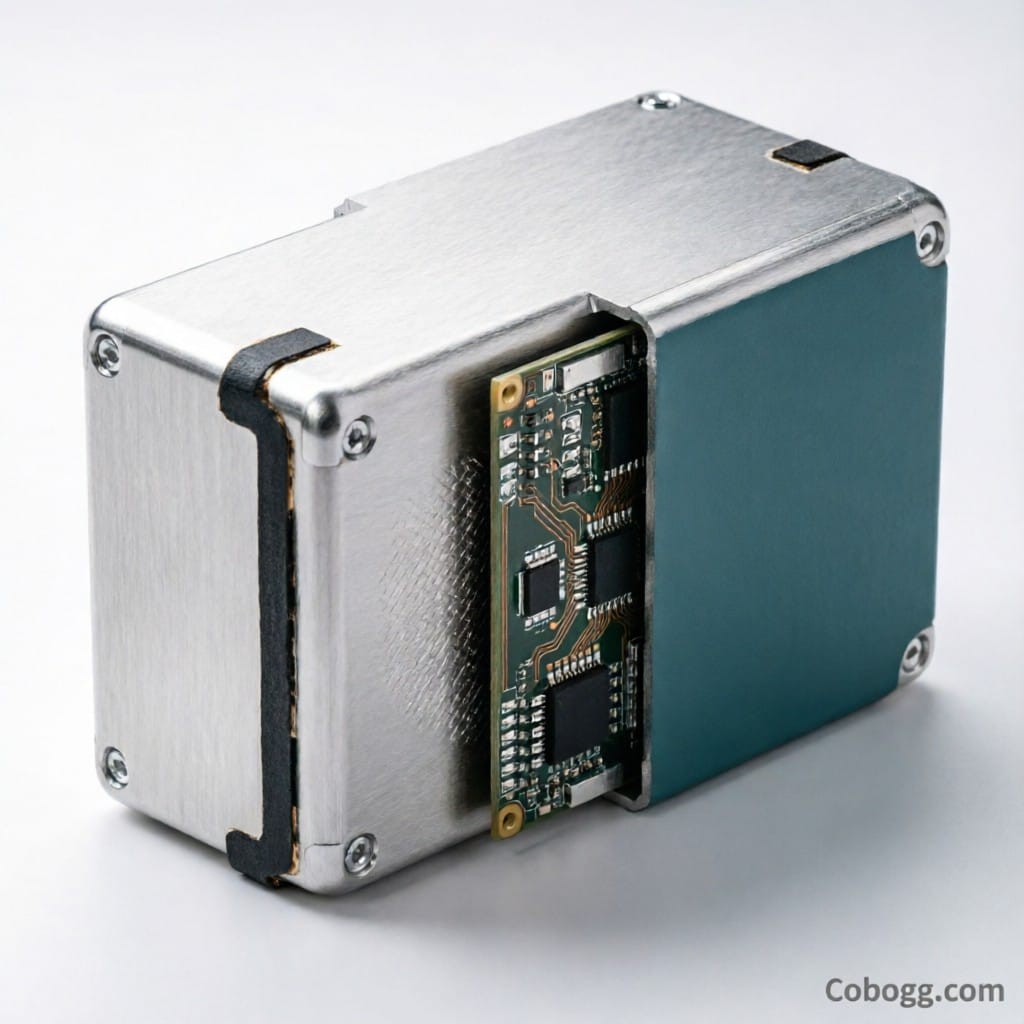
Scientific lab equipment demands uncompromising surface integrity — especially within ISO Class 5 cleanrooms where even microscopic particulate can invalidate years of research. Aluminum alloy shell delivers MIL-A-8625 Type II/III anodized enclosures engineered for zero outgassing, corrosion resistance beyond ASTM B117 336h+, and dimensional stability under thermal cycling. For engineers specifying casings for mass spectrometers, PCR machines, or semiconductor inspection tools, choosing the right aluminum housing isn’t a procurement checkbox — it’s mission-critical risk mitigation.
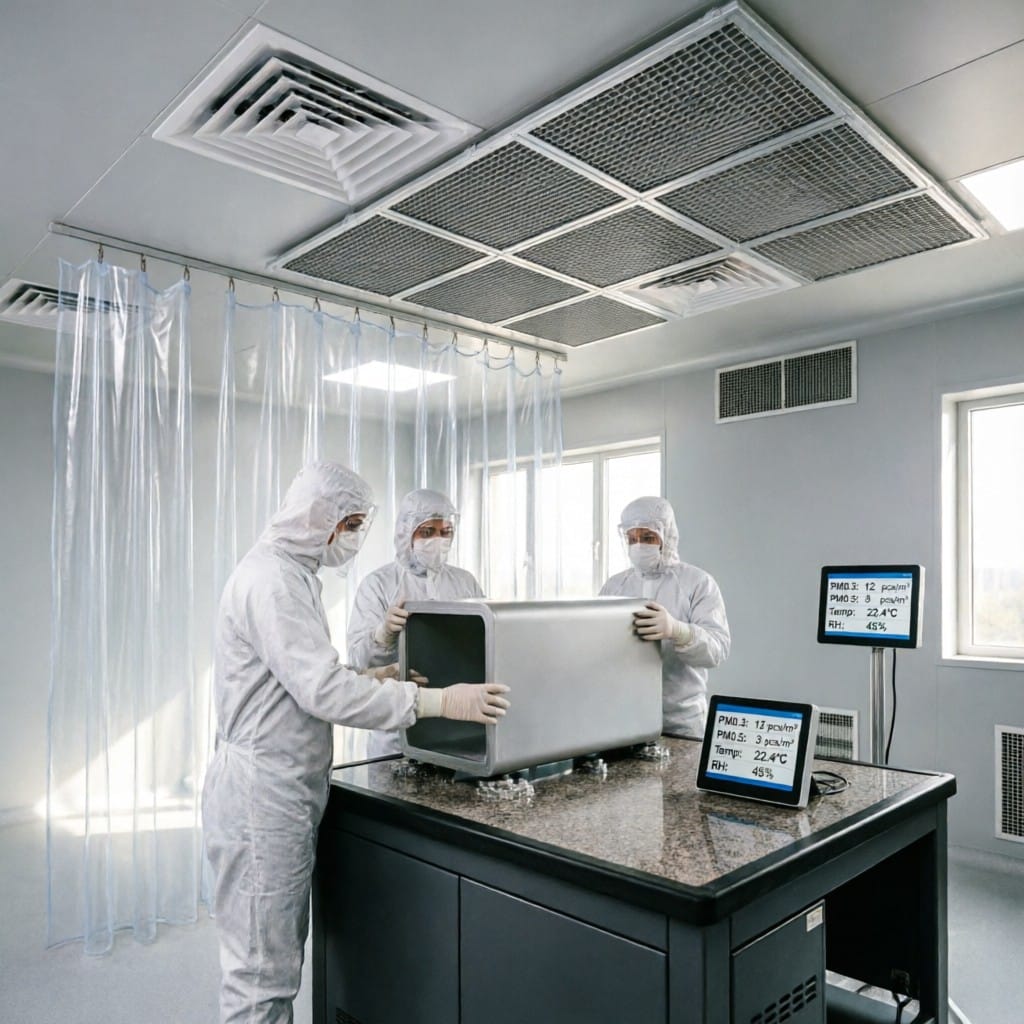
The rise of modular, reconfigurable lab infrastructure — inspired by Tesla’s Gigafactory efficiency and Apple’s material traceability standards — has forced R&D directors to rethink legacy stainless steel and painted steel enclosures. Procurement teams at firms like Thermo Fisher and Agilent now prioritize suppliers who can guarantee not just mechanical specs, but documented surface chemistry and particulate emission profiles. Why? Because a single failed audit or contaminated batch can cost $2M+ in lost IP and regulatory delays. In this article, you’ll learn how aluminum alloy shell’s anodized aluminum enclosures meet global cleanroom compliance thresholds while reducing total cost of ownership by up to 40% compared to stainless alternatives — without compromising on ESD safety or UHV compatibility.
Regulatory Landscape
The EU’s Machinery Regulation 2023/1230 (effective January 20, 2027) mandates that all scientific equipment operating in controlled environments must document surface emissions using ISO 14644-1 Class 5 particulate limits: ≤3,520 particles ≥0.5µm per cubic meter. Non-compliance carries penalties up to 4% of annual EU turnover. Japan’s JIS B 9920 standard requires aluminum surfaces to pass JIS Z 2371 salt spray testing for 500 hours minimum when deployed in bio-labs. The UK still enforces BS EN ISO 14644-1:2015, while the US FDA CFR Title 21 §211.42(c)(10)(ii) requires “non-shedding, cleanable surfaces” — interpreted by auditors as Ra ≤0.8µm roughness and extractables ≤5µg/cm² via USP <87>/<88> cytotoxicity testing. Compliance isn’t optional; it’s embedded in purchase order clauses from Boston Scientific to Roche Diagnostics.
Comparison Table
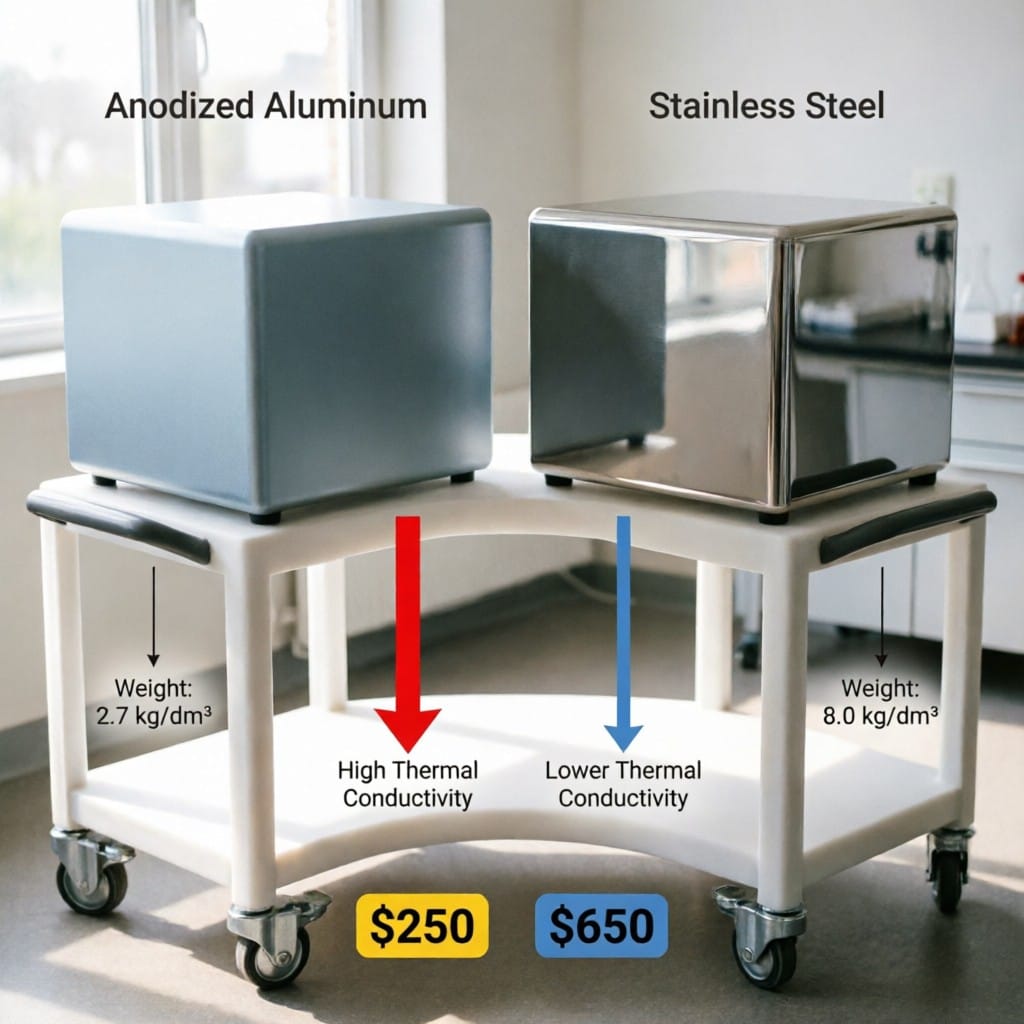
When selecting enclosures for sensitive instrumentation, engineers face a binary choice: anodized aluminum versus stainless steel. Both have merits — but only one optimizes for weight, thermal conductivity, and lifecycle cost in dynamic cleanroom environments.
| Parameter | Anodized Aluminum (MIL-A-8625 Type III) | 316L Stainless Steel (Electropolished) |
|---|---|---|
| Surface Roughness (Ra) | 0.4 µm max | 0.2 µm max |
| Salt Spray Resistance (ASTM B117) | 336 hours minimum | 1,000 hours minimum |
| Thermal Conductivity | 150 W/m·K | 16 W/m·K |
| Coefficient of Thermal Expansion | 23.1 µm/m·°C | 16.0 µm/m·°C |
| Weight (per m³ enclosure volume) | 2.7 kg/dm³ | 8.0 kg/dm³ |
| Outgassing (TML @ 125°C, 24h) | ≤0.10% (ASTM E595) | ≤0.05% (ASTM E595) |
| ESD Surface Resistance | 10⁴–10⁶ Ω/sq (per IEC 61340-5-1) | 10⁵–10⁷ Ω/sq (passive) |
| Unit Cost (1000mm x 600mm x 400mm) | $220–$280 | $580–$720 |
Anodized aluminum excels in thermal management and weight reduction — critical for mobile analyzers and stacked rack systems. Stainless steel wins in extreme chemical exposure zones (e.g., perchloric acid fume hoods) but adds unnecessary mass and cost for 80% of general lab applications. The verdict? Match material to application intensity — don’t default to stainless out of habit.
Industry Angle — Products with Use Cases + Numbers
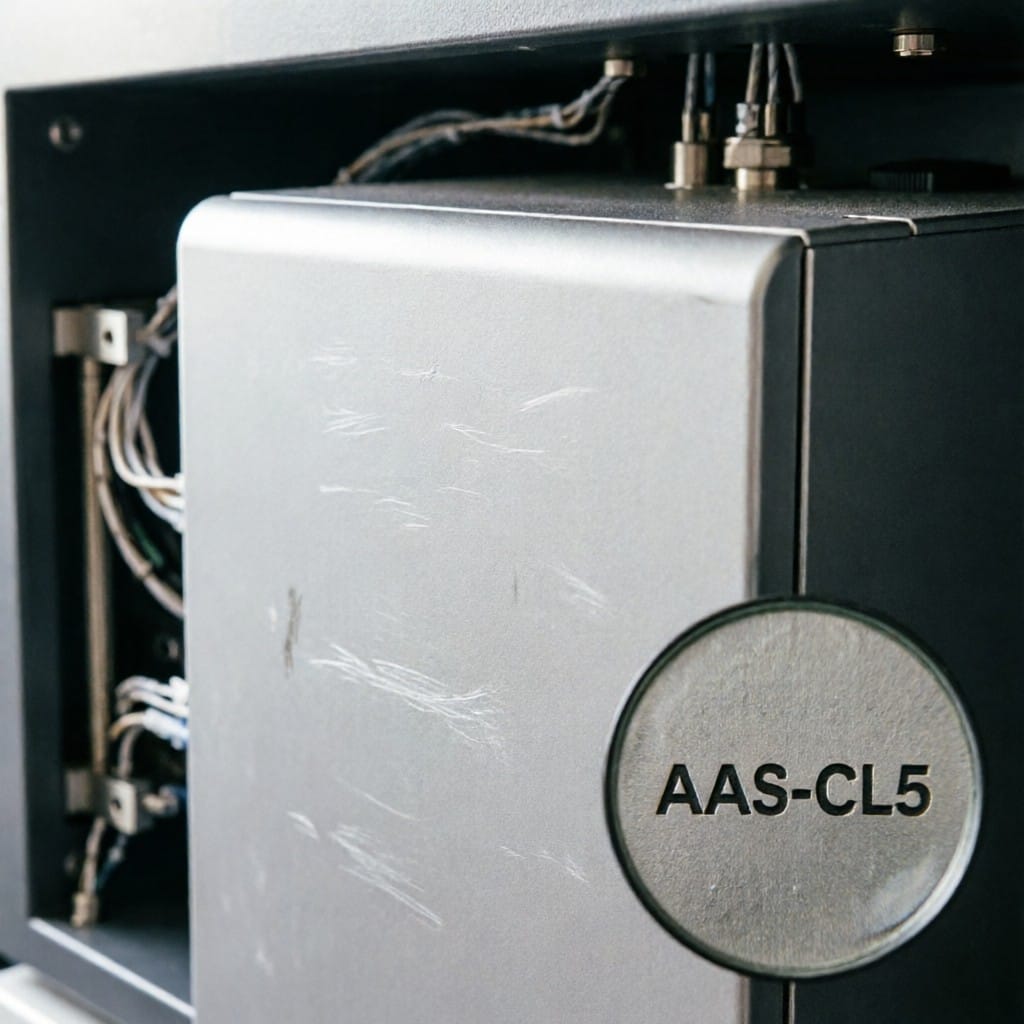
aluminum alloy shell’s AAS-CL5 Series enclosures are specified by OEMs building GC-MS systems for pharmaceutical QA labs. Each unit is machined to ±0.05mm tolerance, features MIL-A-8625 Type III hardcoat anodizing (50µm thickness), and passes ASTM E595 TML ≤0.08%. For DNA sequencers requiring EMI shielding, the AAS-RF3 model integrates conductive gaskets achieving 80 dB attenuation from 30 MHz–1 GHz per MIL-STD-461G. One European diagnostics manufacturer reduced assembly time by 35% after switching to our pre-drilled DIN-rail compatible housings (482.6mm width, 1U–4U height options). MOQ starts at 50 units with lead times under 15 days from our Dongguan 2000sqm factory — critical for agile medtech startups scaling pilot lines.
In semiconductor metrology, the AAS-VAC series supports ultra-high vacuum (UHV) chambers down to 10⁻⁹ Torr. Surface finish is lapped to Ra 0.2µm, helium leak tested to 5×10⁻¹⁰ mbar·L/s, and baked at 150°C for 48 hours to ensure minimal hydrocarbon outgassing. A leading US chip fab replaced custom stainless fixtures with these units, cutting replacement part costs by 62% while maintaining Class 1 cleanroom compliance.
Market-by-Market Guide
| Requirement | EU | US | Japan | UK |
|---|---|---|---|---|
| Particulate Standard | ISO 14644-1 Class 5 (≤3,520/m³) | IEST RP-CC001.5 Class 5 | JIS B 9920 Class 5 | BS EN ISO 14644-1:2015 Class 5 |
| Chemical Resistance | EN 16743 Annex B (acid/alkali test) | ASTM G31-72 (72h immersion) | JIS Z 2371 (500h salt spray) | BS EN ISO 2812-2:2007 |
| Outgassing Limit | ECSS-Q-ST-70-02C TML ≤0.10% | ASTM E595 TML ≤0.10% | JIS C 5023 TML ≤0.12% | DEF STAN 00-35 Issue 4 |
| Surface Roughness | EN 10327 Ra ≤0.8µm | ASME B46.1 Ra ≤0.8µm | JIS B 0601 Ra ≤0.8µm | BS EN ISO 4287 Ra ≤0.8µm |
Supplier Solution
aluminum alloy shell holds ISO 9001:2015 and ISO 14001:2015 certifications, with full material traceability via serialized QR codes laser-engraved on every enclosure. Our anodizing process is validated to MIL-A-8625 Type II/III with batch-specific salt spray reports (ASTM B117 336h+). For EU-bound shipments, we provide Declaration of Conformity to Machinery Regulation 2023/1230 with particulate emission certificates from SGS labs. Request a compliant sample enclosure with full Chain of Custody documentation — including raw material mill certs, anodize bath logs, and final QA inspection records — to accelerate your validation cycle.
Verdict: Specify X For Y
Specify MIL-A-8625 Type III anodized aluminum for GC-MS, PCR, and optical metrology enclosures in ISO Class 5–7 cleanrooms. Specify 316L electropolished stainless steel for perchloric acid digesters, radiochemistry gloveboxes, and UHV chambers below 10⁻¹⁰ Torr.
Q: What’s the maximum allowable outgassing for aluminum enclosures in NASA missions?
NASA’s ASTM E595 standard requires Total Mass Loss (TML) ≤1.0% and Collected Volatile Condensable Materials (CVCM) ≤0.10% after 24h at 125°C — aluminum alloy shell achieves TML ≤0.08% and CVCM ≤0.03%.
Q: Can anodized aluminum meet SEMI F72 for semiconductor tool enclosures?
Yes — aluminum alloy shell’s AAS-VAC series complies with SEMI F72-1102 for surface particle counts (<10 particles ≥0.3µm/cm²) and extractable ions (Na⁺, K⁺, Cl⁻ <1ppb via ICP-MS).
Q: What’s the minimum order quantity for custom CNC-machined enclosures?
MOQ starts at 50 units for standard profiles; 100 units for fully custom geometries. Lead time: 12–15 days from order confirmation at our Dongguan 2000sqm factory.
Q: How does surface roughness impact cleanroom classification?
Per ISO 14644-1, surfaces with Ra >0.8µm trap particulates and inhibit wipe-down efficacy. aluminum alloy shell guarantees Ra ≤0.4µm post-anodizing — verified per ASME B46.1.
Q: Is ESD protection integrated or add-on?
All enclosures include integral ESD via MIL-A-8625 Type II anodize with surface resistivity 10⁴–10⁶ Ω/sq (IEC 61340-5-1). No external coatings or sprays required.
Frequently Asked Questions
Why is aluminum alloy shell preferred over stainless steel for scientific lab equipment enclosures?
Aluminum alloy shell is preferred for its lighter weight, superior thermal conductivity, lower total cost of ownership (up to 40% savings), and compliance with cleanroom particulate and outgassing standards — making it ideal for most lab applications except extreme chemical environments.
What regulatory standards must aluminum alloy enclosures meet for use in ISO Class 5 cleanrooms?
They must comply with ISO 14644-1 (≤3,520 particles ≥0.5µm/m³), JIS Z 2371 (500h salt spray), FDA CFR 21 §211.42 (Ra ≤0.8µm, extractables ≤5µg/cm²), and MIL-A-8625 Type II/III anodizing specs to ensure non-shedding, cleanable, low-outgassing surfaces.
How does anodized aluminum perform in corrosion resistance compared to stainless steel?
While 316L stainless steel offers longer salt spray resistance (1,000+ hours), anodized aluminum meets ASTM B117 336h+ — sufficient for 80% of general lab uses — and provides better weight-to-performance and thermal management trade-offs.
What are the key advantages of aluminum alloy shells in modular lab infrastructure?
They support reconfigurable designs with reduced weight, improved heat dissipation, ESD safety (10⁴–10⁶ Ω/sq), UHV compatibility, and documented surface chemistry — aligning with modern efficiency and traceability standards like those from Tesla and Apple.
What financial risks do labs face by choosing non-compliant or suboptimal enclosure materials?
Non-compliance can trigger penalties up to 4% of EU turnover, while contamination or audit failures may cost over $2M in lost IP and regulatory delays — making material selection a mission-critical risk mitigation strategy.