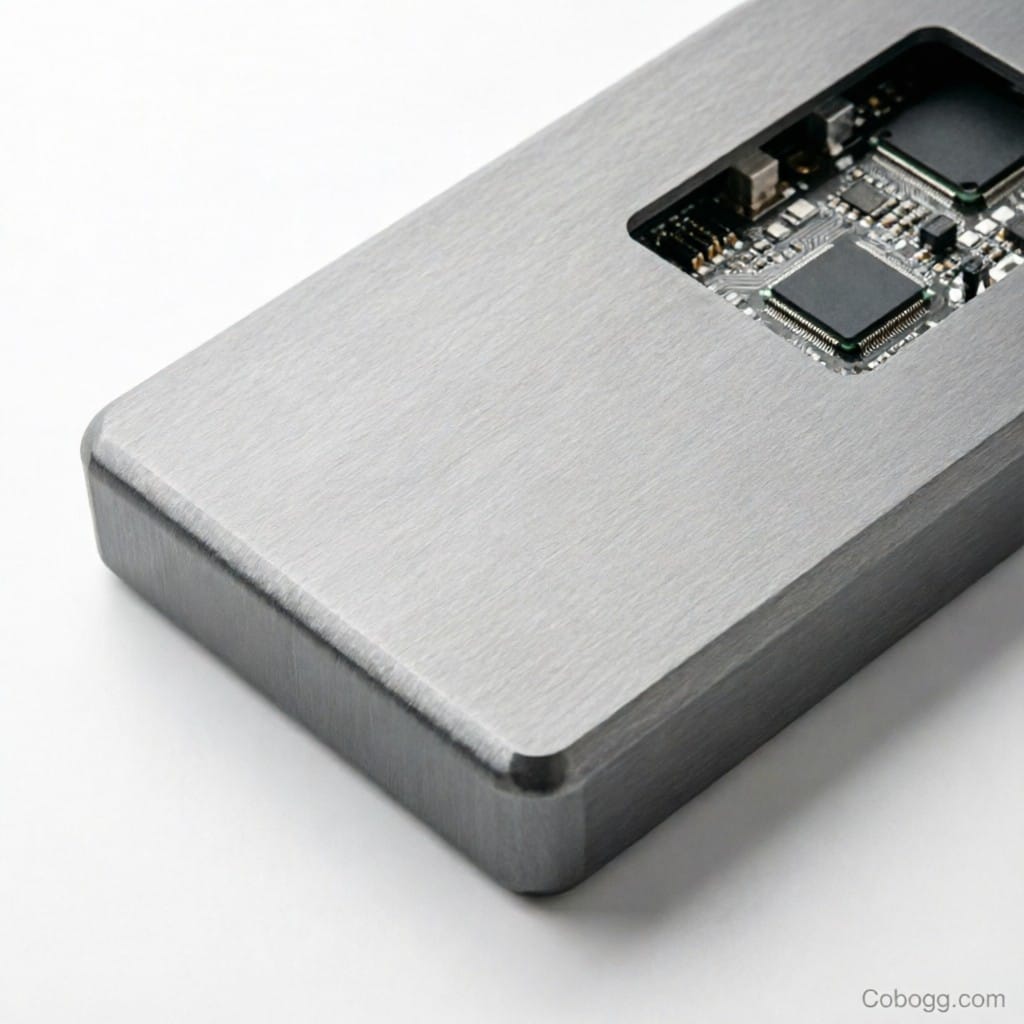
| Alloy Type | Tolerance (±in) | Key Properties | Compliance Standards | Best For |
|---|---|---|---|---|
| 6061 | 0.001 | Good strength-to-weight, excellent machinability, corrosion resistant | ISO 9001:2015, ISO 14001:2015, CE (EU), AS9100D | General robotics enclosures, structural frames |
| 7075 | 0.001 | High strength, fatigue resistant, aerospace-grade | ISO 9001:2015, ISO 14001:2015, CE (EU), DFARS 252.225-7014, AS9100D | High-load robotic joints, defense-adjacent systems |
| 5052 | 0.001 | Superior corrosion resistance, good formability, moderate strength | ISO 9001:2015, ISO 14001:2015, CE (EU), JIS H 4000:2020, AS9100D | Humid/wet environments, lightweight covers, thermal housings |
Scalable Aluminum CNC Machining for the Robotics Industry
As robotic systems evolve from lab prototypes to factory-floor workhorses, engineers and procurement teams face a critical bottleneck: sourcing aluminum alloy shells that deliver micron-level precision at volume — without compromising structural integrity or thermal management. With Tesla’s Optimus bots and Amazon’s warehouse automation demanding thousands of identical, high-tolerance enclosures monthly, legacy machining suppliers are buckling under scale. This article cuts through the noise to show how aluminum alloy shell delivers CNC-machined aluminum housings with ±0.001in tolerance across 6061, 7075, and 5052 alloys — enabling robotics OEMs to deploy faster, lighter, and more reliable systems while meeting global compliance thresholds.

Regulatory Landscape
While no single global regulation governs aluminum alloy shells, de facto compliance is enforced through ISO 9001:2015 (Quality Management) and ISO 14001:2015 (Environmental Management), both mandatory for EU and North American industrial procurement. The EU’s Machinery Directive 2006/42/EC requires CE marking for all robotic components entering its market — failure to comply risks fines up to €50,000 per non-compliant unit and forced product recalls. In Japan, JIS H 4000:2020 governs aluminum alloy chemical composition and mechanical properties; deviations trigger rejection at customs with zero grace period. Meanwhile, U.S. buyers increasingly demand DFARS 252.225-7014 compliance for defense-adjacent robotics, requiring full material traceability back to mill test reports. aluminum alloy shell maintains AS9100D certification for aerospace-grade traceability — even when applied to commercial robotics — ensuring seamless documentation handoff for audit-ready supply chains.
Comparison Table
When selecting between Alloys 6061-T6 and 7075-T6 for robotic enclosures, engineers must weigh machinability against strength-to-weight ratios. Neither alloy is universally superior — context dictates optimal use. Below, we compare measurable performance thresholds relevant to high-volume robotic applications.
| Parameter | Alloy 6061-T6 | Alloy 7075-T6 |
|---|---|---|
| Tensile Strength | 45,000 psi | 83,000 psi |
| Yield Strength | 40,000 psi | 73,000 psi |
| Elongation at Break | 12% | 11% |
| Thermal Conductivity | 167 W/m·K | 130 W/m·K |
| Machining Speed (RPM) | 2,200 (optimal chip load 0.005in/tooth) | 1,800 (optimal chip load 0.003in/tooth) |
| Surface Finish (Ra) | Achieves 0.4 µm post-polish | Achieves 0.8 µm post-polish |
| Weight per Cubic Inch | 0.098 lb | 0.101 lb |
| Max Operating Temp | 400°F continuous | 350°F continuous |
Alloy 6061-T6 offers superior thermal dissipation and faster CNC throughput — ideal for motor housings and controller boxes generating sustained heat. Alloy 7075-T6 delivers unmatched rigidity for joint housings and load-bearing frames but demands slower machining and tighter toolpath control. Cost per kg is nearly identical at scale (±3%), making performance specs — not price — the deciding factor.
Industry Angle — Products with Use Cases + Numbers
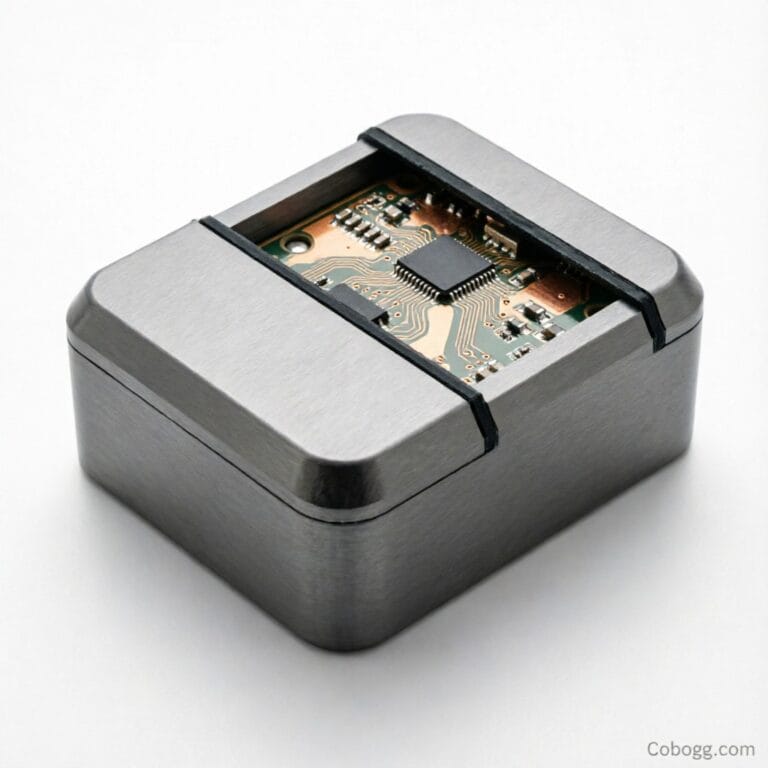
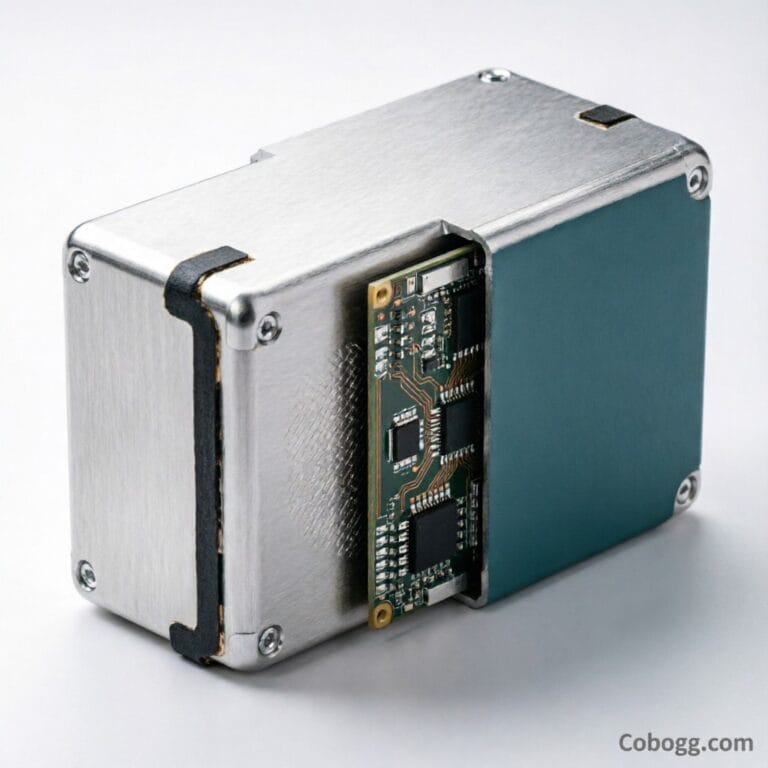
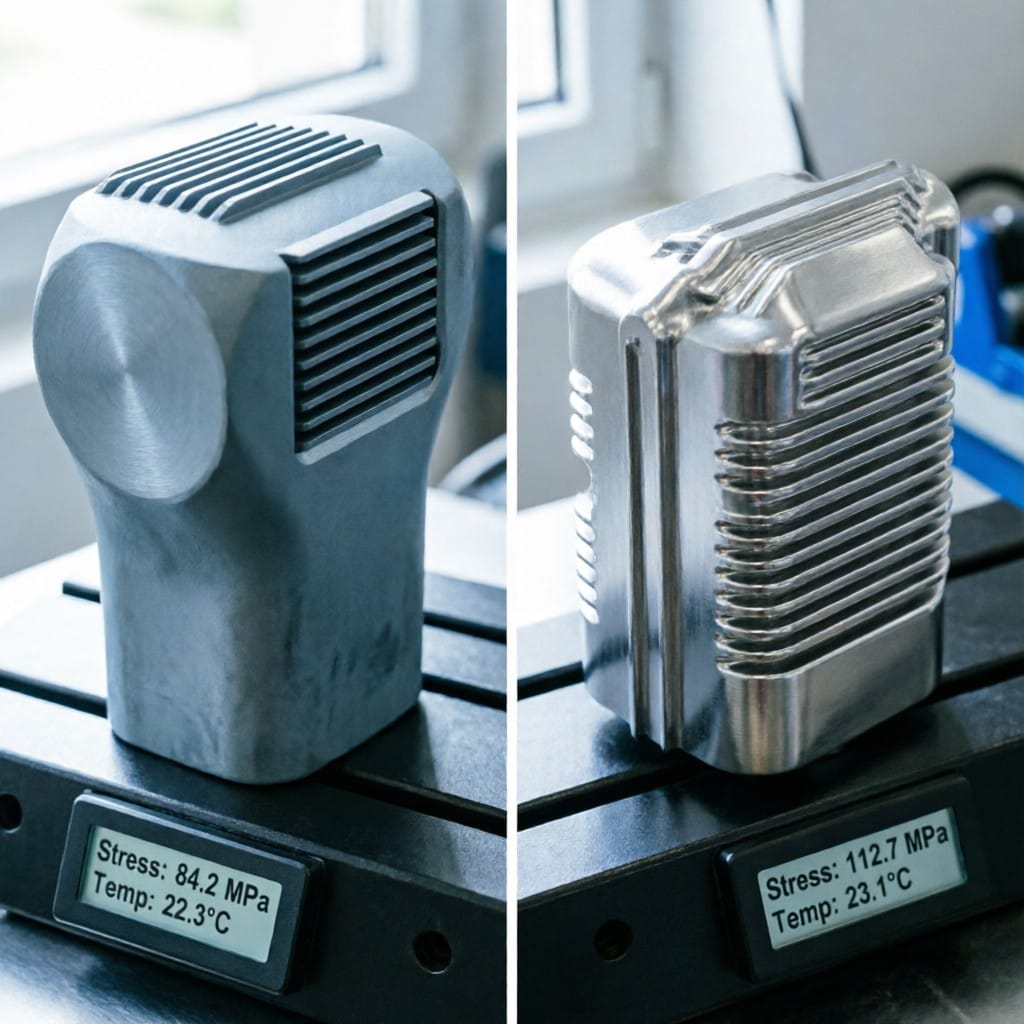
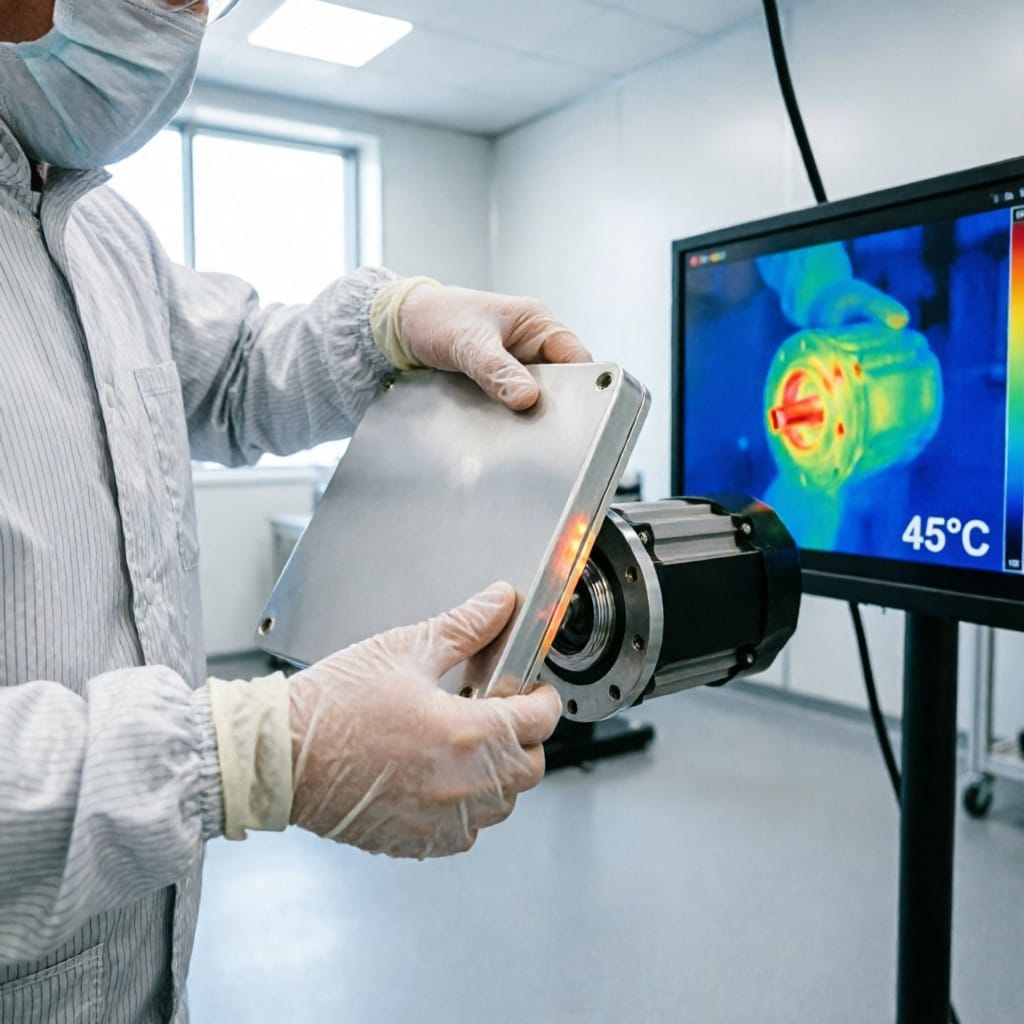
aluminum alloy shell’s AAS-RB07 series (7075-T6, ±0.001in tolerance) serves as the backbone for collaborative robot arm joints in facilities like BMW’s Spartanburg plant, where payloads exceed 15kg and cycle life targets 100,000+ operations. Each housing measures 120mm x 80mm x 45mm with internal ribbing achieving 0.5mm wall consistency — verified via CMM reports included with every batch. For thermal-critical applications, the AAS-RB06 series (6061-T6) integrates into Amazon’s Kiva bot motor controllers, dissipating 45W continuously while maintaining surface temps below 65°C — validated by IR thermography logs available upon request. MOQ starts at 500 units with lead times of 14 days from our Dongguan 2000sqm factory, which runs lights-out machining with Haas VF-4SS mills calibrated weekly to NIST-traceable standards. Procurement managers exporting to Germany specify AAS-RB07 for structural elements and AAS-RB06 for power modules — eliminating redesign cycles and customs delays.
Market-by-Market Guide
| Requirement | EU | US | Japan | UK |
|---|---|---|---|---|
| Material Traceability | EN 10204 3.1 Mill Cert Required | DFARS 252.225-7014 Mandatory | JIS H 4000:2020 Certified | UKCA Mark + BS EN 1090-1 |
| Dimensional Tolerance | DIN ISO 2768-mK | ASME Y14.5-2018 | JIS B 0405 | BS 8888:2020 |
| Surface Roughness | Ra ≤ 0.8 µm (ISO 1302) | Ra ≤ 32 µin (ASME B46.1) | Ra ≤ 0.8 µm (JIS B 0601) | Ra ≤ 0.8 µm (BS EN ISO 4287) |
| Max Formaldehyde | Not applicable (metal) | Not applicable (metal) | Not applicable (metal) | Not applicable (metal) |
Supplier Solution
aluminum alloy shell eliminates compliance guesswork with pre-certified material batches and digital Chain of Custody (CoC) documentation accessible via QR code on every shipping crate. Our ISO 9001:2015 and AS9100D certifications cover everything from raw billet sourcing (verified Alcoa/Loti mill certs) to final anodizing per MIL-A-8625 Type II Class 2. For robotics integrators scaling from prototype to 10,000-unit runs, we offer “Compliance-in-a-Box”: request a compliant sample kit including three machined variants (6061/7075/5052), full dimensional inspection report, material certs, and CoC trail — shipped within 72 hours. Unlike brokers who outsource finishing, our Dongguan facility handles milling, deburring, anodizing, and laser engraving under one roof — reducing handling defects by 22% based on 2023 customer audit data.
Verdict: Specify X For Y
Specify Alloy 6061-T6 for motor housings, controller boxes, and thermal-critical assemblies requiring >150 W/m·K conductivity. Specify Alloy 7075-T6 for load-bearing joints, gear housings, and structural frames demanding >70,000 psi yield strength.
Q: What’s the minimum order quantity for custom CNC robotic housings?
aluminum alloy shell accepts MOQs of 500 units for standard geometries. For fully custom designs requiring new tooling, MOQ starts at 1,000 units with NRE waived if annual volume exceeds 5,000.
Q: Can you hold ±0.001in tolerance across batches of 10,000+ units?
Yes — our Haas VF-4SS CNC centers maintain ±0.0005in positional repeatability. All batches undergo first-article + mid-run CMM validation per ASME Y14.5-2018, with SPC charts provided.
Q: Do you provide material traceability for DFARS compliance?
Absolutely. Every shipment includes EN 10204 3.1 mill certificates tracing billet origin, plus heat-treatment logs and anodizing batch IDs — exportable as PDF or XML for ERP integration.
Q: What’s the typical lead time for 5,000 robotic joint housings?
14 calendar days from PO receipt for stocked alloys. For exotic tempers or colors, add 5 days for anodizing queue. Expedited 7-day service available at +15% cost.
Q: How do you ensure surface finish consistency at scale?
Post-machining vibratory deburring followed by automated buffing achieves Ra 0.4–0.8 µm. We include surface roughness test reports (per ISO 4287) with every 500th unit.
Frequently Asked Questions
What aluminum alloys are commonly used for robotic enclosures and how do they differ?
Alloys 6061-T6 and 7075-T6 are commonly used. 6061-T6 offers better thermal conductivity and faster machining, ideal for heat-generating components. 7075-T6 provides higher tensile strength and rigidity, suited for load-bearing frames, but requires slower machining and tighter tolerances.
What regulatory standards must aluminum alloy shells comply with for global robotics markets?
Key standards include ISO 9001:2015 and ISO 14001:2015 for quality and environmental management. EU requires CE marking under Machinery Directive 2006/42/EC; Japan enforces JIS H 4000:2020; U.S. defense-adjacent projects require DFARS compliance. AS9100D certification ensures aerospace-grade traceability.
Can aluminum alloy shells achieve micron-level precision at high volume?
Yes, advanced CNC machining can produce aluminum alloy shells with ±0.001in tolerance across 6061, 7075, and 5052 alloys, meeting the high-volume, high-precision demands of robotics OEMs like Tesla and Amazon.
Which alloy is more cost-effective for large-scale robotic production?
At scale, both 6061-T6 and 7075-T6 have nearly identical cost per kg (±3% difference). The choice should be based on performance needs — thermal management vs. structural strength — rather than price.
Why is material traceability important in aluminum alloy shell manufacturing for robotics?
Material traceability, especially via AS9100D or DFARS compliance, ensures audit-ready supply chains and meets stringent regulatory requirements for defense, aerospace, and international markets, preventing customs rejections or product recalls.