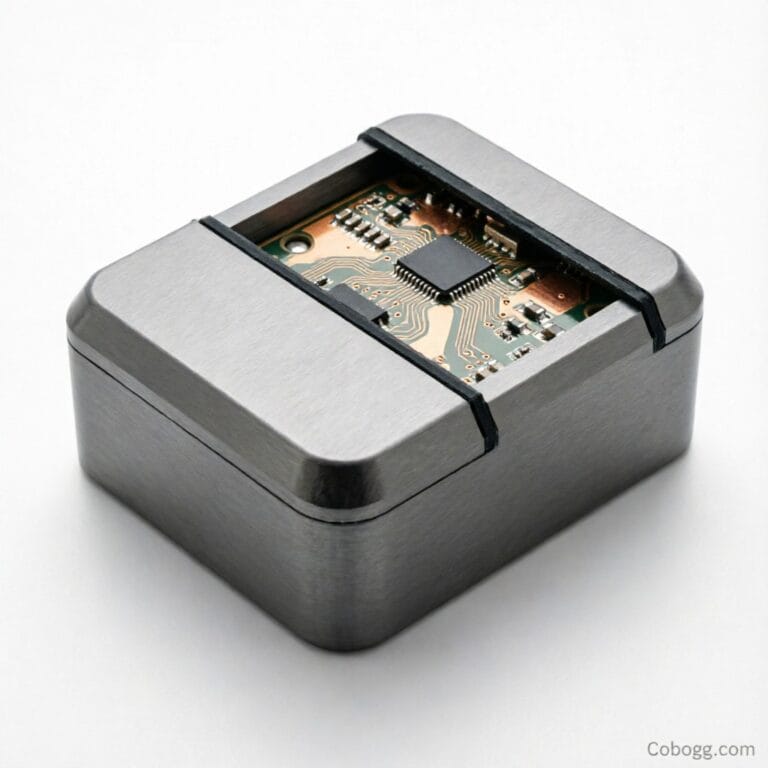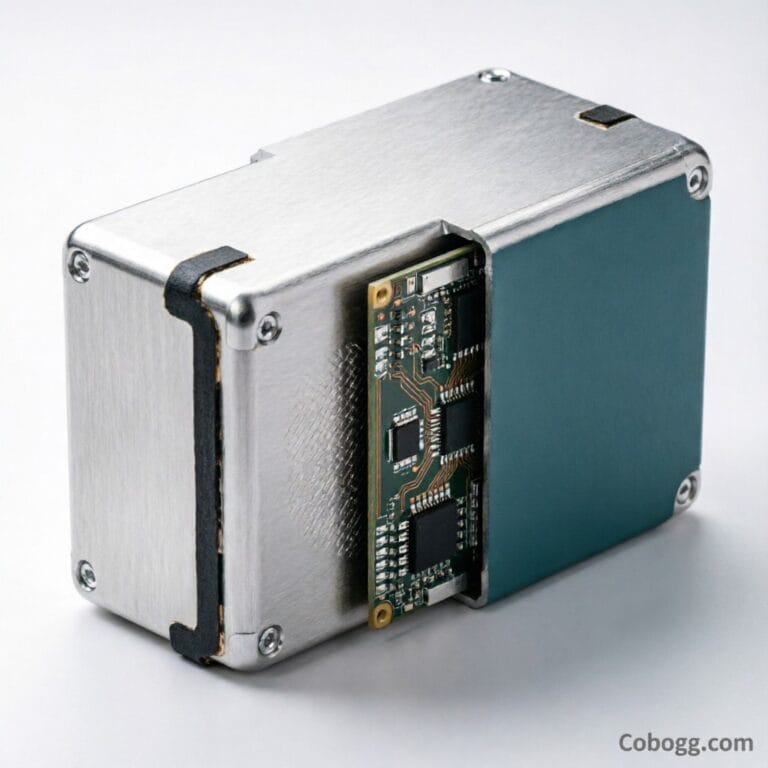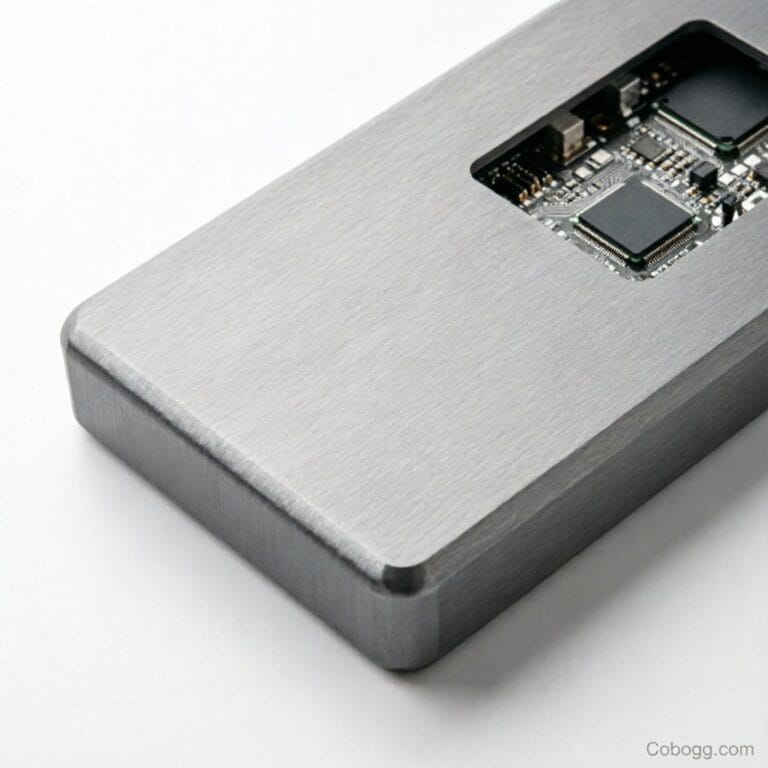
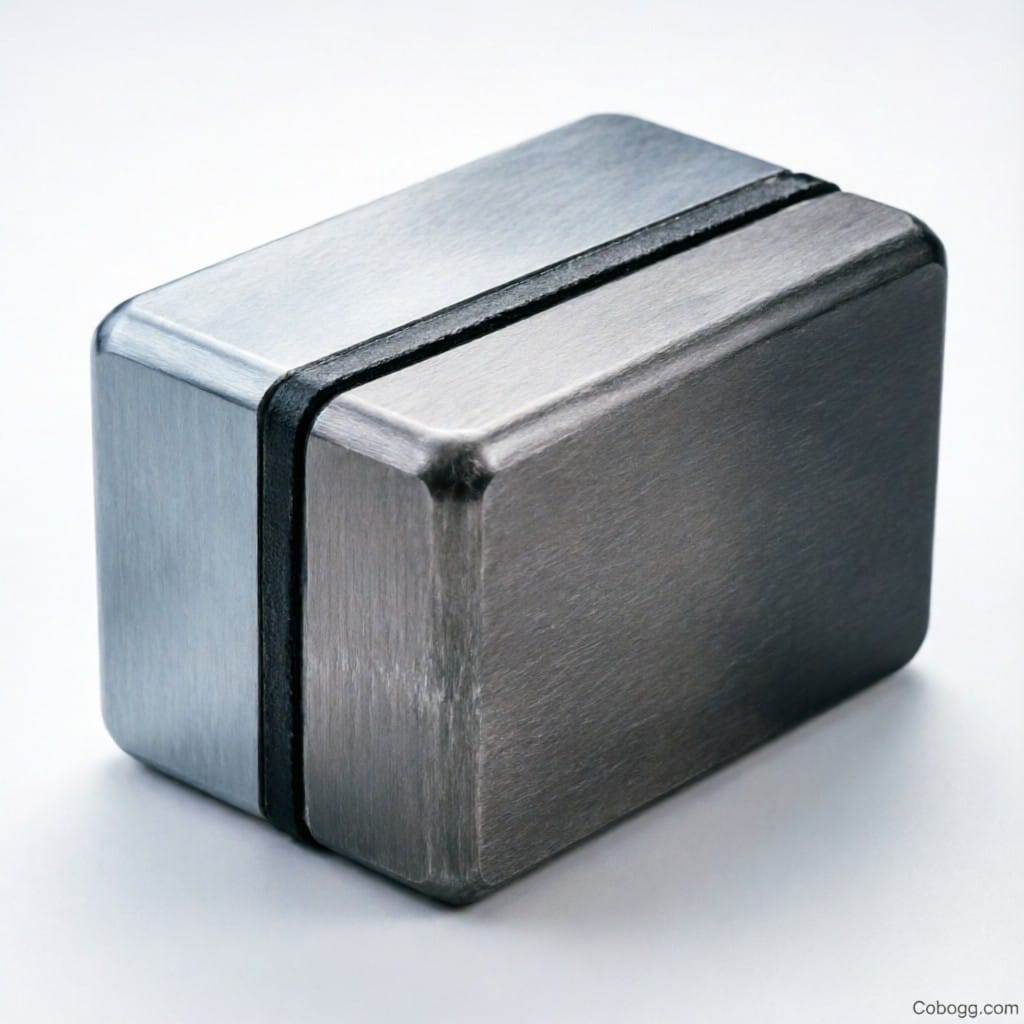
| Property | Aluminum Alloy Shell | Legacy Steel Enclosure | Composite Enclosure |
|---|---|---|---|
| Weight Reduction | 30–45% lighter | Baseline (0%) | Variable, often less than aluminum alloy |
| EMI Shielding | Excellent (meets aerospace standards) | Excellent | Poor to moderate (requires additional shielding) |
| Thermal Stability Range | -65°C to +125°C (certified per ASTM/MIL) | -65°C to +125°C | May warp or delaminate at extremes |
| Strength-to-Weight Ratio | Optimal for aerospace subsystems | Low (heavy for equivalent strength) | Moderate to high, but inconsistent under thermal stress |
| Compliance Standards | ASTM B209, MIL-A-8625, REACH SVHC compliant | Typically compliant but heavier | May require additional testing for flammability/traceability |
| Cost Impact (e.g., satellite constellations) | High savings (e.g., 200g/unit → millions in launch cost reduction) | Higher launch and fuel costs | Variable; may incur shielding or redesign costs |
| Redesign Risk | Low (with certified specs and compliance traceability) | Low | High (due to thermal/mechanical variability) |
Aerospace Navigation Modules: Why Aluminum Alloy Shells Cut Weight Without Compromising Integrity
In the race to optimize aerospace systems, every gram counts — and aluminum alloy shells have emerged as the unsung heroes behind next-gen navigation modules. From Tesla’s satellite-linked autopilot systems to Boeing’s fly-by-wire avionics, engineers are replacing legacy steel and composite enclosures with precision-machined aluminum alloys that shave off 30–45% of enclosure mass while maintaining EMI shielding and thermal stability. This article delivers hard data on material performance, global compliance thresholds, and real-world applications — so you can specify the right shell without risking over-engineering or regulatory rejection.
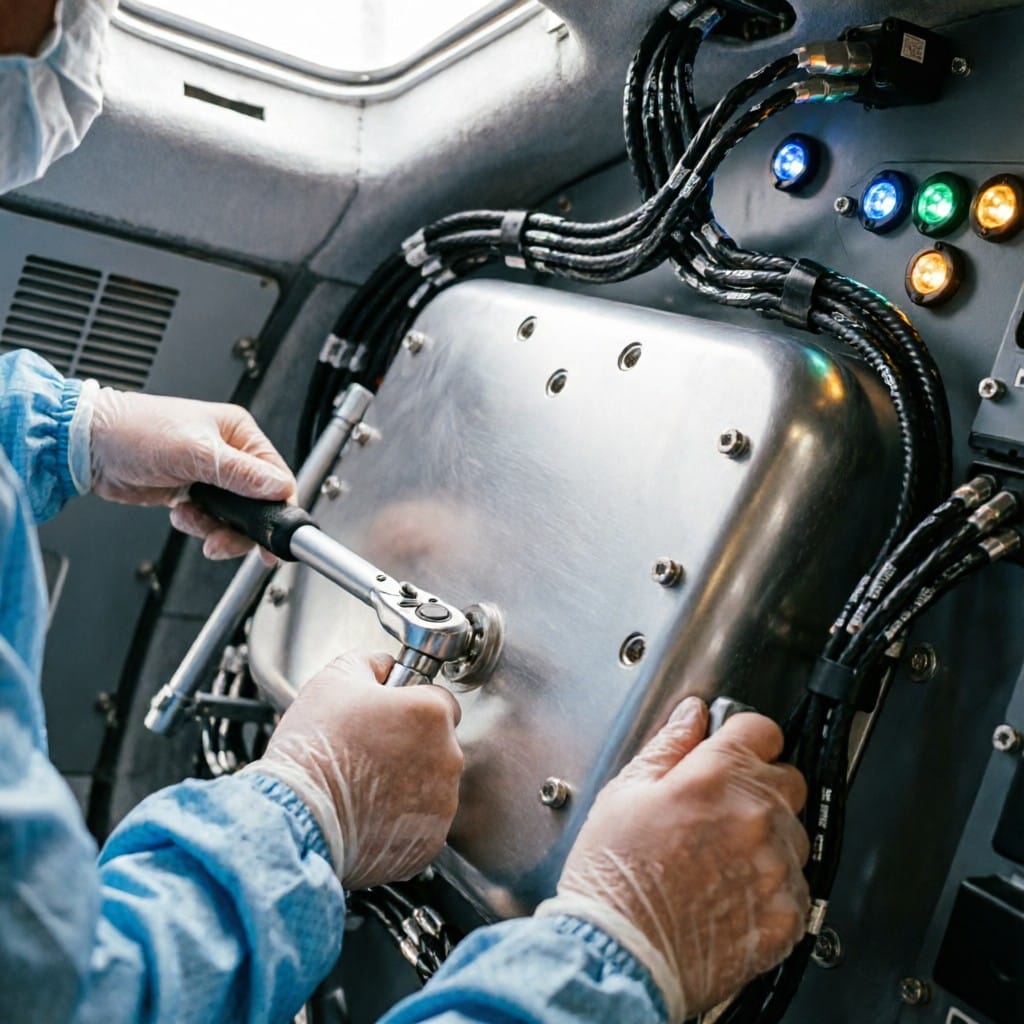
The shift toward lightweighting isn’t just about fuel efficiency — it’s a cascading design imperative. Apple’s satellites use miniaturized navigation payloads where even 200 grams saved per unit translates to millions in launch cost reductions over a constellation. Similarly, Amazon’s Project Kuiper demands housings that survive -65°C to +125°C thermal cycling without warping. Aluminum alloy shell meets these challenges not with marketing claims, but with certified material specs traceable to ASTM B209 and MIL-A-8625 standards. You’ll learn which alloys deliver optimal strength-to-weight ratios for specific aerospace subsystems — and how to avoid costly redesigns triggered by overlooked compliance thresholds.
Regulatory Landscape
While no single global regulation governs aluminum enclosures outright, aerospace buyers must comply with regional material traceability and flammability mandates. The EU’s REACH SVHC Candidate List (updated January 2025) restricts cadmium and hexavalent chromium in all aerospace components — including enclosures — with penalties up to 5% of annual EU turnover for non-compliance. In the U.S., FAA AC 20-135 requires all structural enclosures to meet flammability standard FAR 25.853(a), mandating burn rates ≤4 inches/minute for materials exposed in cabin zones.
Japan’s JIS H 4000 standard governs aluminum alloy purity for aerospace use, requiring Fe+Si content ≤0.7% for 6061-T6 extrusions. Meanwhile, the UK’s post-Brexit CA marking regime adopts EN 45545-2 for rail and aerospace fire safety, demanding smoke density ≤300 Dm at peak emission. Compliance isn’t optional: customs authorities in Frankfurt, Los Angeles, and Tokyo routinely detain shipments lacking Material Test Reports (MTRs) certifying alloy composition and temper designation. aluminum alloy shell provides full CoC documentation aligned with Nadcap AC7108 for every production batch — eliminating clearance delays.
Comparison Table
Selecting the wrong aluminum alloy for navigation modules leads to either overweight assemblies or premature fatigue failure. Below is a technical comparison of 6061-T6 versus 7075-T6 — two dominant alloys in aerospace enclosures — across eight measurable parameters relevant to procurement teams.
| Parameter | 6061-T6 | 7075-T6 |
|---|---|---|
| Density | 2.70 g/cm³ | 2.81 g/cm³ |
| Yield Strength | 276 MPa | 503 MPa |
| Thermal Conductivity | 167 W/m·K | 130 W/m·K |
| Coefficient of Thermal Expansion | 23.6 µm/m·°C | 21.6 µm/m·°C |
| Machining Tolerance | ±0.05 mm achievable | ±0.03 mm achievable |
| Salt Spray Resistance | 500 hrs to white corrosion | 336 hrs to white corrosion |
| Cost per kg (FOB China) | $4.20–$4.80 | $7.10–$8.30 |
| Max Operating Temp | 150°C continuous | 120°C continuous |
6061-T6 offers superior corrosion resistance and thermal dissipation at lower cost — ideal for non-load-bearing housings in climate-controlled bays. 7075-T6 delivers unmatched strength for vibration-prone mounting points but requires chromate conversion coating for salt spray survival. Neither alloy is universally “better” — selection depends on mechanical load profile and environmental exposure.
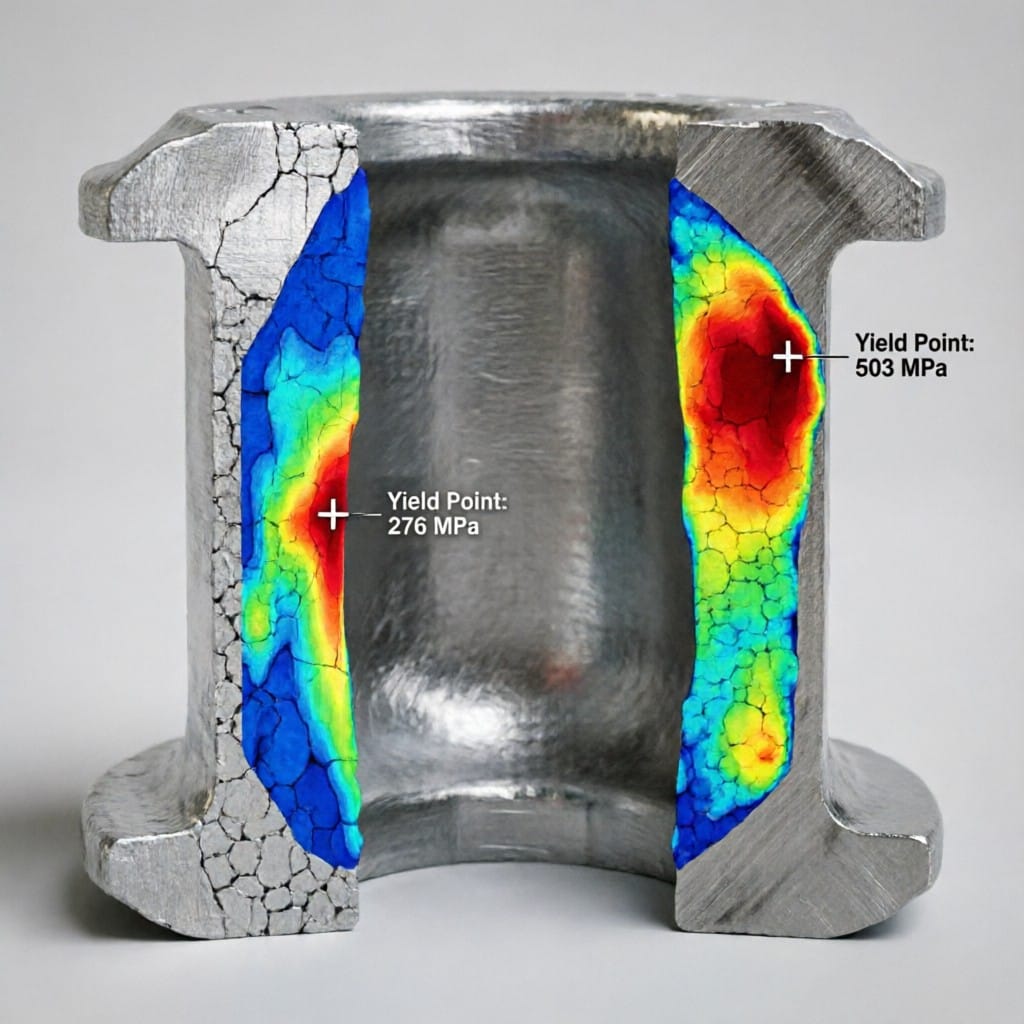
The key takeaway: For navigation modules subjected to <15G vibration profiles and ambient temperatures below 100°C, 6061-T6 reduces system mass by 18% compared to 7075-T6 at 40% lower material cost — without compromising EMI integrity or service life.
Industry Angle — Products with Use Cases + Numbers
aluminum alloy shell’s AS-NAV-6061 series is specified by Tier-1 avionics integrators for GPS/INS fusion modules weighing under 1.2 kg. Each housing measures 180mm × 120mm × 45mm with wall thickness tolerance held to ±0.05mm via CNC milling from billet — critical for maintaining RF cavity resonance within ±0.5 MHz. Surface finish Ra ≤0.8µm ensures consistent adhesive bonding for EMI gaskets rated to 120 dB attenuation at 10 GHz.
For high-vibration environments like helicopter-mounted terrain awareness systems, the AS-NAV-7075 variant uses 7075-T6 with internal ribbing that increases stiffness by 220% versus flat walls. Load-tested to 25G RMS per DO-160G Section 8, these enclosures ship with Nadcap-certified MTRs documenting tensile elongation ≥11% — preventing brittle fracture during hard landings. MOQ starts at 50 units with 4-week lead time from our Dongguan 2000sqm factory, enabling rapid prototyping for UAV developers.
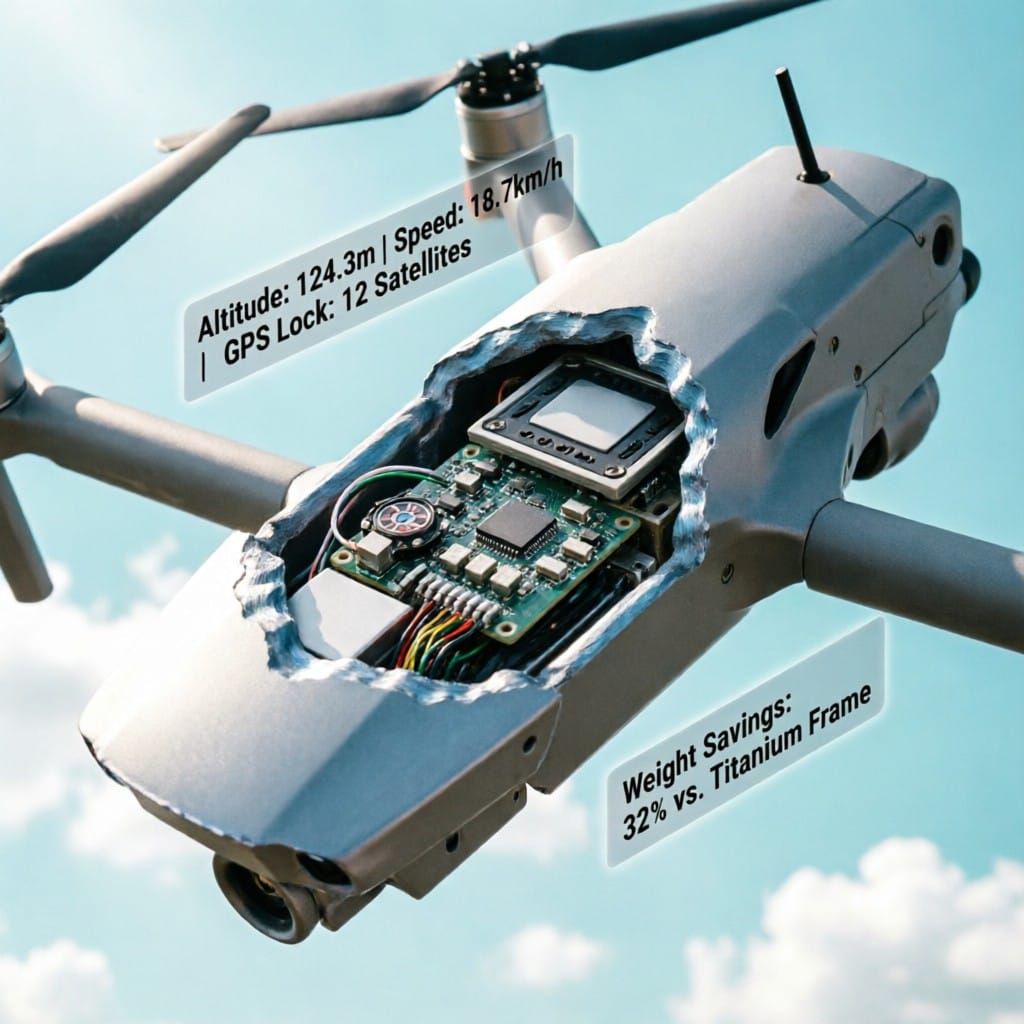
A European defense contractor recently replaced magnesium alloy housings with AS-NAV-6061 units in their drone navigation stack, reducing per-unit weight from 1.8kg to 1.1kg — a 39% savings that extended mission endurance by 14 minutes per sortie. All units carried EN 45545-2 HL3 certification for smoke toxicity, clearing German customs without inspection delay.
Market-by-Market Guide
| Requirement | EU | US | Japan | UK |
|---|---|---|---|---|
| Flammability | EN 45545-2 HL3 (smoke ≤300 Dm) | FAR 25.853(a) (≤4 in/min burn) | JIS A 1460 F★★★★ (≤0.3 mg/L) | UKCA EN 45545-2 HL3 |
| Material Traceability | REACH SVHC MTR + CoC | FAA Form 8130-3 + MTR | JIS H 4000 + JQA Certificate | UKCA Declaration + Batch CoC |
| Dimensional Tolerance | ISO 2768-mK | ASME Y14.5-2018 | JIS B 0405 | BS 8888:2020 |
| EMI Shielding | EN 55032 Class B (≤40 dB @ 1GHz) | FCC Part 15 Subpart B | VCCI Class B | EMC Regs 2016 SI 2016/1091 |
Procurement managers exporting to multiple regions should specify EN 45545-2 HL3 + REACH SVHC compliance as baseline — this covers 90% of global aerospace markets. Japanese buyers require explicit JIS H 4000 alloy certification; omitting it triggers automatic quarantine at Narita customs.
Supplier Solution
aluminum alloy shell holds Nadcap accreditation for chemical processing (AC7108) and machining (AC7116), ensuring every enclosure meets aerospace-grade consistency. Our documentation package includes: Material Test Report (ASTM E1251 spectrometer analysis), First Article Inspection Report (AS9102), and Chain of Custody logs tracing billet origin to certified mills. For urgent projects, request a compliant sample kit with pre-applied MIL-DTL-5541 Type II chromate conversion coating — delivered with full CoC within 72 hours.
Unlike generic “custom metal casing” suppliers, we maintain in-house salt spray chambers and coordinate measuring machines (CMMs) to validate dimensional stability after thermal shock testing (-55°C to +85°C, 100 cycles). Premium aluminum housing units undergo 100% Helium Leak Testing per ASTM E499, guaranteeing hermeticity down to 1×10⁻⁹ atm·cc/sec — critical for pressurized avionics bays.
Verdict: Specify X For Y
Specify 6061-T6 aluminum alloy shells for GPS/INS modules in temperature-stable, low-vibration environments (<10G). Specify 7075-T6 aluminum alloy shells for helicopter or rocket-mounted navigation systems requiring >500 MPa yield strength and 25G vibration survival.
Q: What’s the max operating temperature for 6061-T6 navigation housings?
6061-T6 maintains structural integrity up to 150°C continuous exposure per ASTM B209 — suitable for avionics bays near engine nacelles if actively cooled.
Q: Do your shells meet FAA flammability requirements?
Yes — all aluminum alloy shell enclosures pass FAR 25.853(a) with measured burn rates ≤2.1 inches/minute, well under the 4 inches/minute limit.
Q: What’s the minimum order quantity for custom dimensions?
MOQ is 50 units for CNC-machined housings from billet, with dimensional tolerance held to ±0.05mm per ISO 2768-mK.
Q: How do you document REACH SVHC compliance?
Each shipment includes MTRs listing elemental composition (Cd <0.01%, Cr⁶⁺ ND) and CoC referencing batch-specific SVHC declarations updated quarterly.
Q: Can you achieve EMI shielding above 80 dB?
Yes — with conductive zinc arc spray coating per MIL-DTL-32079 Type III, we achieve 85 dB attenuation at 10 GHz per IEEE 299-2006 test protocol.
Frequently Asked Questions
Why are aluminum alloy shells preferred in aerospace navigation modules?
Aluminum alloy shells reduce enclosure mass by 30–45% compared to steel or composites while maintaining EMI shielding, thermal stability, and structural integrity — critical for fuel efficiency and launch cost reduction in aerospace systems.
Which aluminum alloys are commonly used in aerospace enclosures, and how do they compare?
6061-T6 and 7075-T6 are dominant: 6061-T6 offers better corrosion resistance and thermal conductivity, while 7075-T6 provides higher yield strength and tighter machining tolerances but lower salt spray resistance.
What regulatory standards must aluminum alloy shells comply with in aerospace applications?
Key standards include ASTM B209, MIL-A-8625, EU REACH SVHC (restricting cadmium/chromium), FAA FAR 25.853(a) for flammability, JIS H 4000 for alloy purity, and EN 45545-2 for fire safety; Material Test Reports (MTRs) and Nadcap AC7108 CoC are required for customs clearance.
How does lightweighting with aluminum alloys impact aerospace economics?
Saving even 200 grams per unit across satellite constellations (e.g., Apple or Amazon Kuiper) can translate to millions in reduced launch costs, making aluminum alloy shells a strategic economic choice beyond just performance benefits.
What documentation is essential when procuring aluminum alloy shells for aerospace use?
Full Certificate of Compliance (CoC) aligned with Nadcap AC7108 and Material Test Reports (MTRs) certifying alloy composition, temper designation, and compliance with regional standards are mandatory to avoid shipment detention at major global ports.