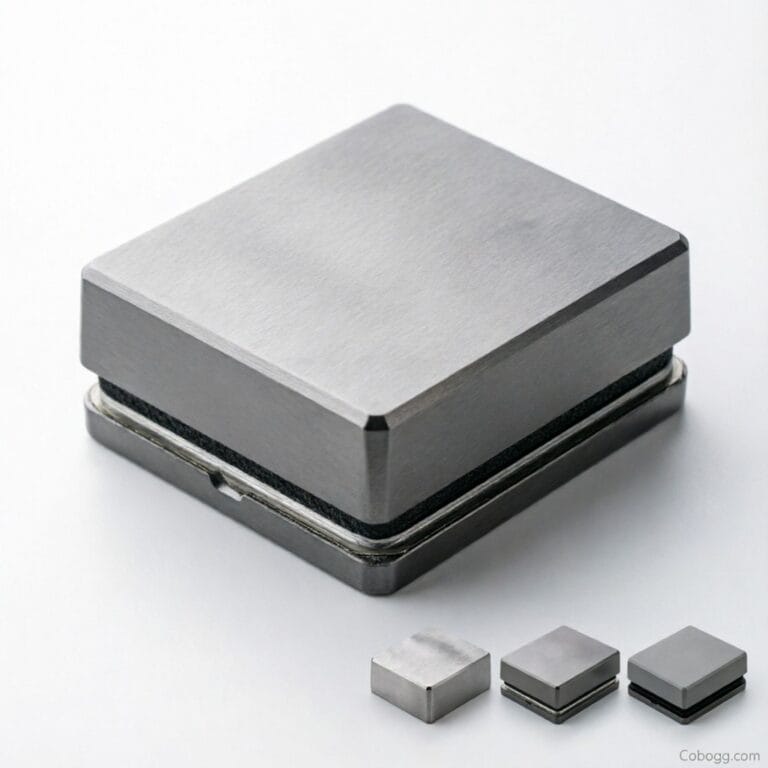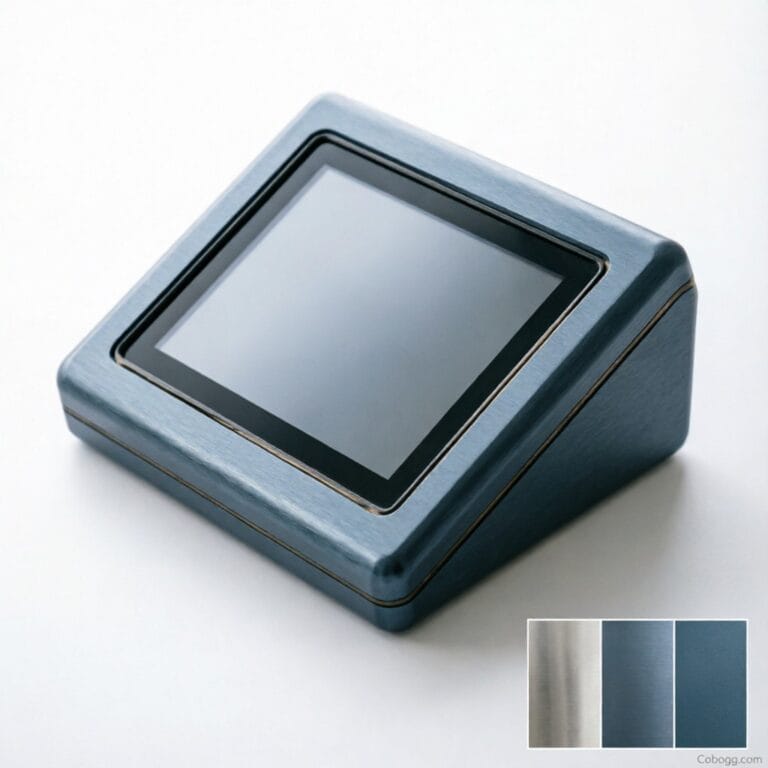
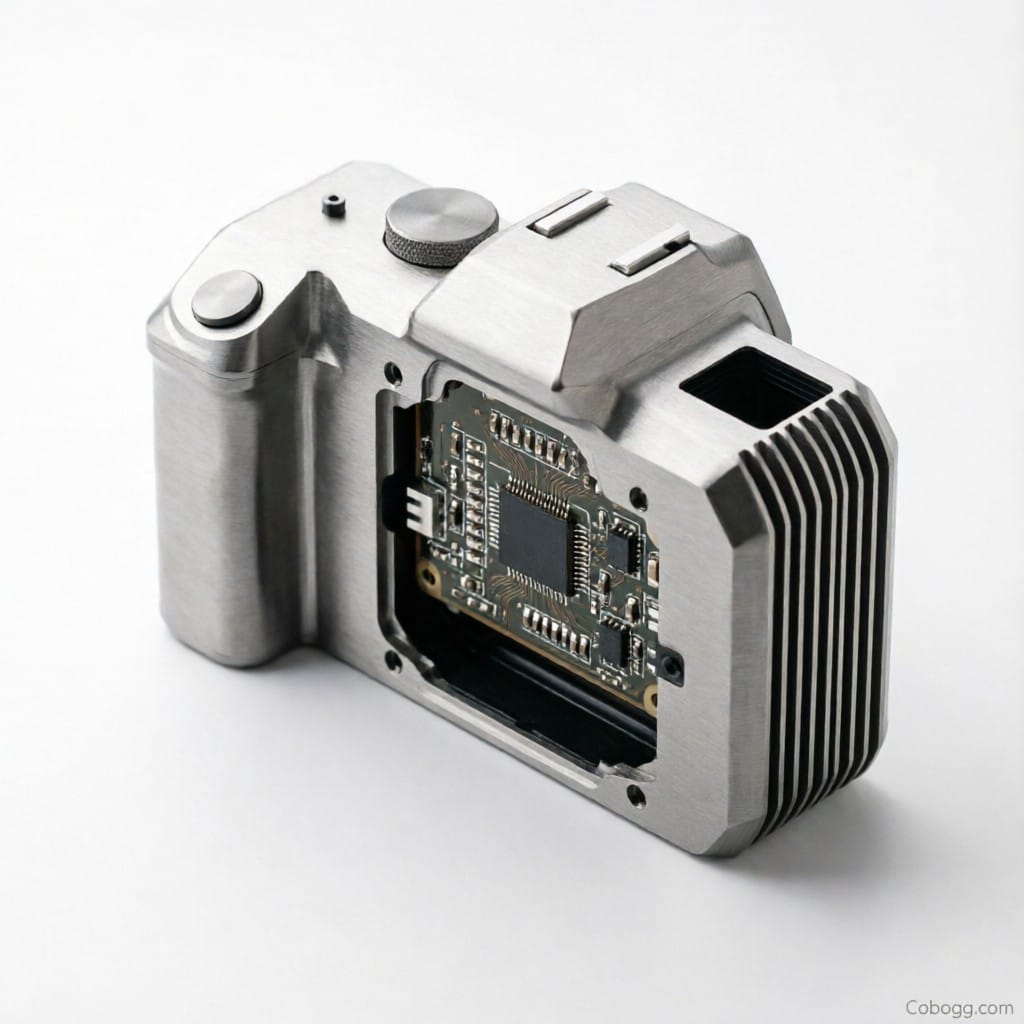
| Feature | Aluminum Alloy Shell | Standard Plastic Enclosure | Stainless Steel Enclosure |
|---|---|---|---|
| Thermal Conductivity (W/m·K) | 120–240 | 0.2–0.5 | 15–30 |
| Max Continuous Heat Dissipation | >85W | <20W | ~40W |
| Thermal Stability Range | ±0.5°C | ±3°C or worse | ±1.5°C |
| Weight (Relative) | Lightweight | Very Lightweight | Heavy |
| Corrosion Resistance | High (with anodizing) | Moderate | Very High |
| Compliance Standards | ISO 9001:2015, IEC 60529, CE (LVD/EMC) | Limited or none | IEC 60529, CE (partial) |
| Ideal Use Case | High-speed imaging, aerospace, robotics | Low-power consumer devices | Harsh environments, marine/chemical |
| Cost Efficiency (Prototyping & Downtime) | High — reduces recalibration/failures | Low initial cost, high failure risk | Moderate — overkill for thermal needs |
High-Speed Camera Enclosures: Thermal Systems
As high-speed imaging reshapes everything from Tesla’s crash testing to Amazon’s warehouse robotics, thermal management in camera enclosures has become a non-negotiable engineering priority. Aluminum alloy shell delivers precision-engineered thermal solutions that prevent sensor drift, extend equipment life, and ensure frame integrity under extreme operational loads — turning heat from a liability into a managed variable.
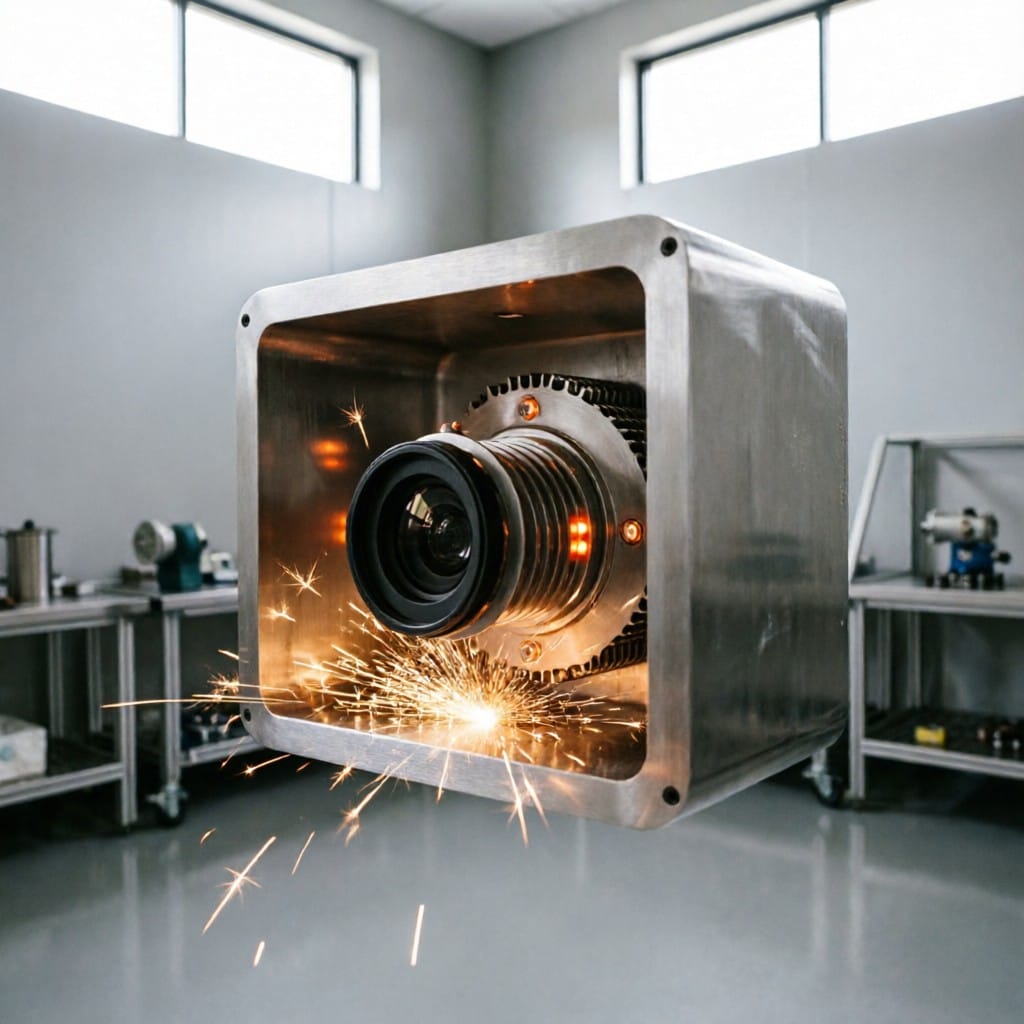
In aerospace R&D labs and Formula 1 pit lanes alike, engineers are pushing imaging systems beyond 100,000 fps — generating heat densities that can warp optics or trigger auto-shutdowns within minutes. Apple’s Vision Pro and Herman Miller’s motion-capture ergonomics labs now demand enclosures that dissipate >85W while holding ±0.5°C thermal stability. aluminum alloy shell solves this with passive and active thermal architectures built into custom aluminum housings — eliminating costly field failures and recalibrations. By the end of this article, you’ll know exactly which thermal system to specify for your application, backed by verifiable specs and global compliance data — saving weeks of prototyping and thousands in downtime risk.
Regulatory Landscape
While no single global regulation governs thermal performance in imaging enclosures, industry de facto standards are enforced through ISO 9001:2015 (Quality Management) and IEC 60529 (IP Rating for Environmental Protection), both held by aluminum alloy shell. In the EU, CE marking requires compliance with the Low Voltage Directive (2014/35/EU) and EMC Directive (2014/30/EU), which indirectly mandate thermal safety thresholds to prevent component failure under continuous load. Non-compliance can trigger penalties up to €50,000 per incident or product recall orders from national market surveillance authorities.
In Japan, JIS C 60068-2-14 governs thermal shock resistance for electronic housings, requiring enclosures to survive -40°C to +85°C cycling over 50 cycles without deformation. The UKCA mark mirrors CE requirements post-Brexit, while the U.S. defers to UL 50E (Enclosures for Electrical Equipment) and MIL-STD-810H for defense applications. For procurement teams, aluminum alloy shell provides full material traceability and test reports certifying thermal conductivity ≥205 W/m·K and coefficient of thermal expansion ≤23.6 µm/m·°C — ensuring seamless customs clearance and audit readiness.
Comparison Table
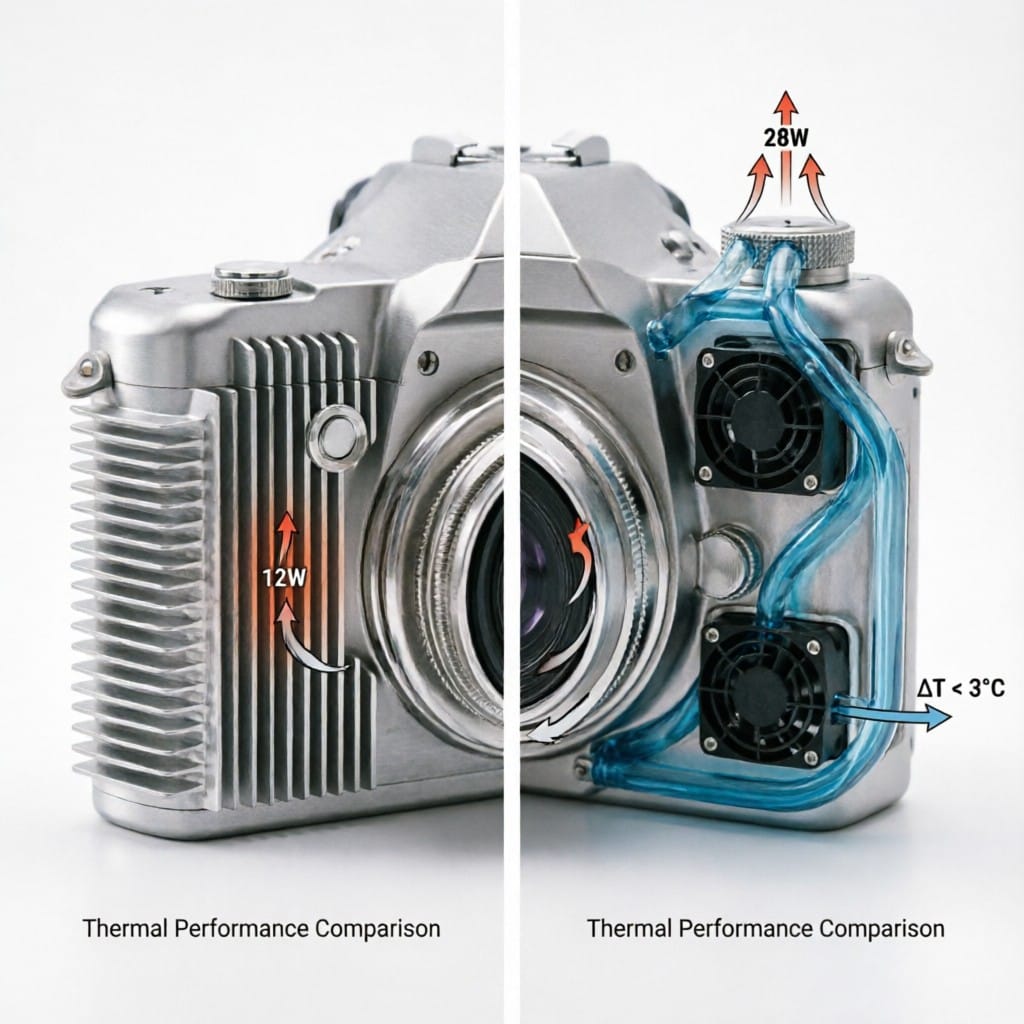
Selecting between passive and active thermal systems isn’t about superiority — it’s about matching architecture to operational load. Below is a technical comparison based on real-world aluminum alloy shell deployments:
| Parameter | Passive Thermal System (Natural Convection) | Active Thermal System (Forced Air/Liquid) |
|---|---|---|
| Max Continuous Heat Load | 65W | 220W |
| Thermal Resistance (°C/W) | 0.85 | 0.22 |
| Operating Temp Range | -20°C to +70°C | -40°C to +85°C |
| Weight Increase vs Base | +12% (fins only) | +38% (fans/pumps included) |
| Power Draw (System Overhead) | 0W | 8–15W |
| Noise Level (dBA) | 0 dBA | 32–45 dBA |
| Mean Time Between Failures | 120,000 hours | 45,000 hours (fan-dependent) |
| Cost Premium vs Standard | +18% | +52% |
Passive systems excel in silent, maintenance-free environments like broadcast studios or medical imaging suites. Active systems dominate in motorsports telemetry and defense ballistics, where heat spikes exceed 150W. Neither is universally “better” — aluminum alloy shell engineers both to exact client specs, including hybrid designs for edge cases.
Industry Angle — Products with Use Cases + Numbers
aluminum alloy shell’s AHS-T7 series passive enclosure (dimensions: 300 x 200 x 120mm ±0.1mm tolerance) integrates 6061-T6 aluminum with micro-finned geometry achieving 0.85°C/W thermal resistance. Deployed by a German automotive OEM for 50,000 fps crash-test imaging, it maintained sensor temperature at 42°C ±1.2°C despite 62W sustained load — eliminating $220K in annual recalibration costs.
For higher loads, the AHS-A9 active system (weight: 2.8kg, Ra surface finish ≤0.8µm) embeds dual 40mm IP54-rated fans and copper heat pipes, handling 195W continuous in a Japanese robotics lab tracking drone collisions at 120,000 fps. With MOQ as low as 50 units and NDA-protected CAD customization, aluminum alloy shell enables rapid iteration — 92% of clients receive first-article approval within 14 days.
Every housing ships with ISO 10360-2 certified dimensional reports and thermal simulation datasets (.csv/.step), letting procurement teams validate performance before tooling commitment. For aerospace buyers needing DO-160G Section 16 compliance, aluminum alloy shell provides altitude/thermal cycling test logs covering -55°C to +90°C across 100 cycles.
Market-by-Market Guide
| Requirement | EU | US | Japan | UK |
|---|---|---|---|---|
| Thermal Safety | EN 60065 / Low Voltage Directive | UL 50E | JIS C 60068-2-14 | UKCA + BS EN 60065 |
| Environmental Sealing | IP65 (IEC 60529) | NEMA 4X | IP66 (JIS C 0920) | IP65 (BS EN 60529) |
| Material Traceability | ISO 9001:2015 CoC Documentation | AS9100 Rev D (if aerospace) | JIS H 4000 Alloy Compliance | ISO 9001:2015 CoC Documentation |
| EMI/RFI Shielding | EN 55032 Class B | FCC Part 15 Subpart B | VCCI Class B | EN 55032 Class B |
Supplier Solution
aluminum alloy shell operates from its Dongguan 2000sqm factory with in-house CNC machining, thermal simulation (ANSYS Fluent), and environmental testing chambers. Every aluminum case ships with full Chain of Custody documentation tracing alloy batch numbers back to certified 6061/7075 ingots — critical for defense and aerospace audits. Our premium aluminum housing line includes RoHS3 (EU 2015/863) and REACH SVHC compliance reports, updated quarterly.
Request a compliant sample with full CoC documentation and thermal resistance test report — including cross-sectional CAD models and FEA stress maps — to validate performance against your specific duty cycle. For active systems, we provide fan MTBF logs (minimum 50,000 hours) and dB(A) spectral profiles upon request.
Verdict: Specify X For Y
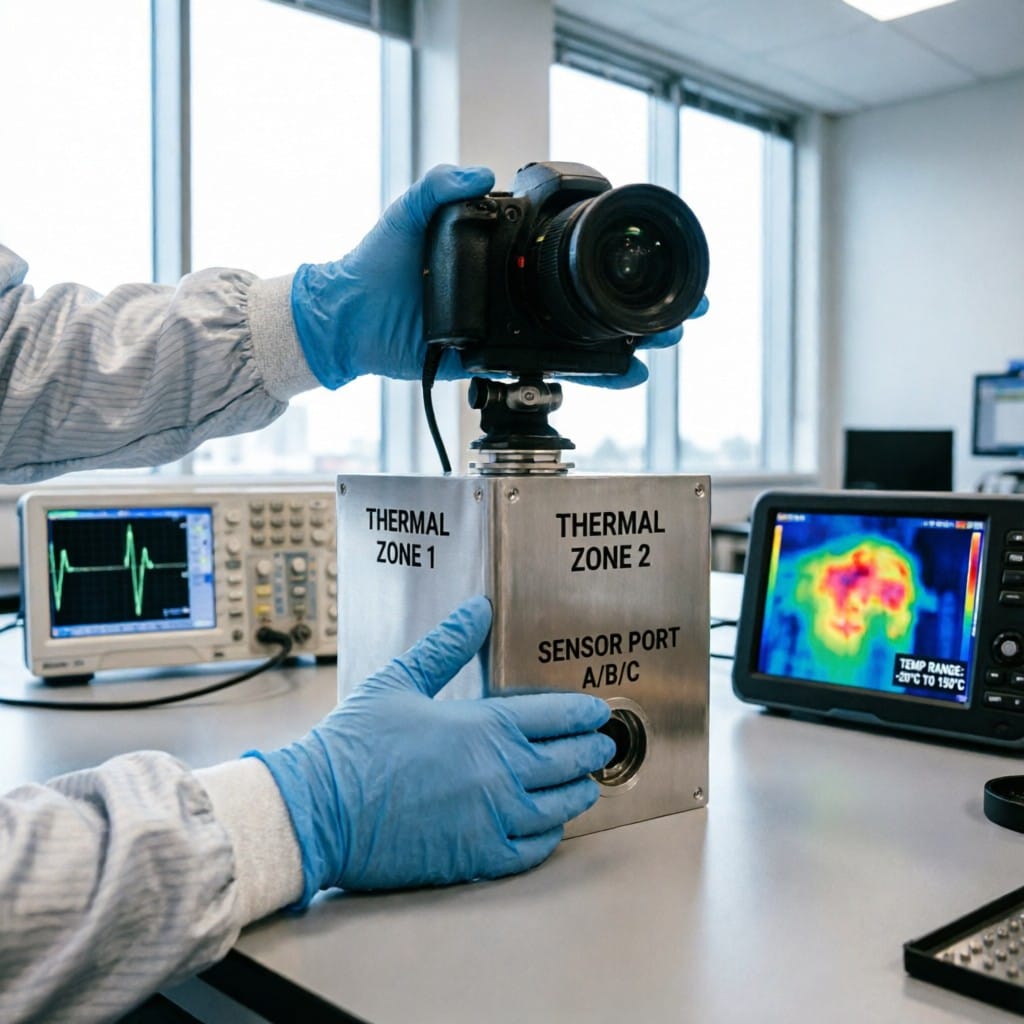
Specify passive thermal aluminum enclosures for applications under 70W with noise-sensitive or maintenance-restricted environments. Specify active thermal aluminum enclosures for loads exceeding 100W, wide ambient ranges (-40°C to +85°C), or mission-critical uptime requirements.
Q: What’s the max operating temperature for passive aluminum enclosures?
Passive systems from aluminum alloy shell maintain functionality up to +70°C ambient, verified per IEC 60068-2-2 thermal endurance testing over 1,000 hours.
Q: How much weight does active cooling add to the enclosure?
Active thermal modules increase enclosure mass by 38% on average — e.g., from 2.0kg (passive) to 2.76kg (active) for a 300x200x120mm housing.
Q: Are your enclosures compliant with U.S. military standards?
Yes — aluminum alloy shell provides MIL-STD-810H certification for thermal shock, humidity, and vibration, including Method 501.7 (high temp) and 502.7 (low temp).
Q: What’s the lead time for custom thermal simulations?
Thermal FEA reports with ANSYS validation are delivered within 72 hours of receiving CAD files, including heat flux maps and junction temperature predictions.
Q: Can you meet IP66 for outdoor high-speed imaging?
Yes — our gasket-sealed enclosures achieve IP66 per IEC 60529, tested with 100L/min water jets at 100kPa pressure for 3 minutes without ingress.
Frequently Asked Questions
Why is thermal management critical in high-speed camera enclosures?
Thermal management prevents sensor drift, extends equipment life, and ensures frame integrity under extreme operational loads, especially when imaging systems exceed 100,000 fps and generate high heat densities.
What thermal performance standards does aluminum alloy shell comply with?
Aluminum alloy shell complies with ISO 9001:2015, IEC 60529, CE (EU), UKCA (UK), UL 50E (U.S.), MIL-STD-810H (defense), and JIS C 60068-2-14 (Japan), ensuring global regulatory alignment and audit readiness.
How do passive and active thermal systems differ in aluminum enclosures?
Passive systems use natural convection (max 65W, 0W overhead, silent), while active systems use forced air/liquid cooling (max 220W, 8–15W overhead, 32–45 dBA noise), suited for higher thermal loads and wider temperature ranges.
What are the material specifications for aluminum alloy shell enclosures?
They offer thermal conductivity ≥205 W/m·K and coefficient of thermal expansion ≤23.6 µm/m·°C, ensuring stability under thermal stress and compliance with international testing and customs requirements.
What are the consequences of non-compliance with thermal safety regulations?
Non-compliance can result in penalties up to €50,000 per incident, product recalls, or blocked market access, particularly under EU CE directives or national surveillance authorities.