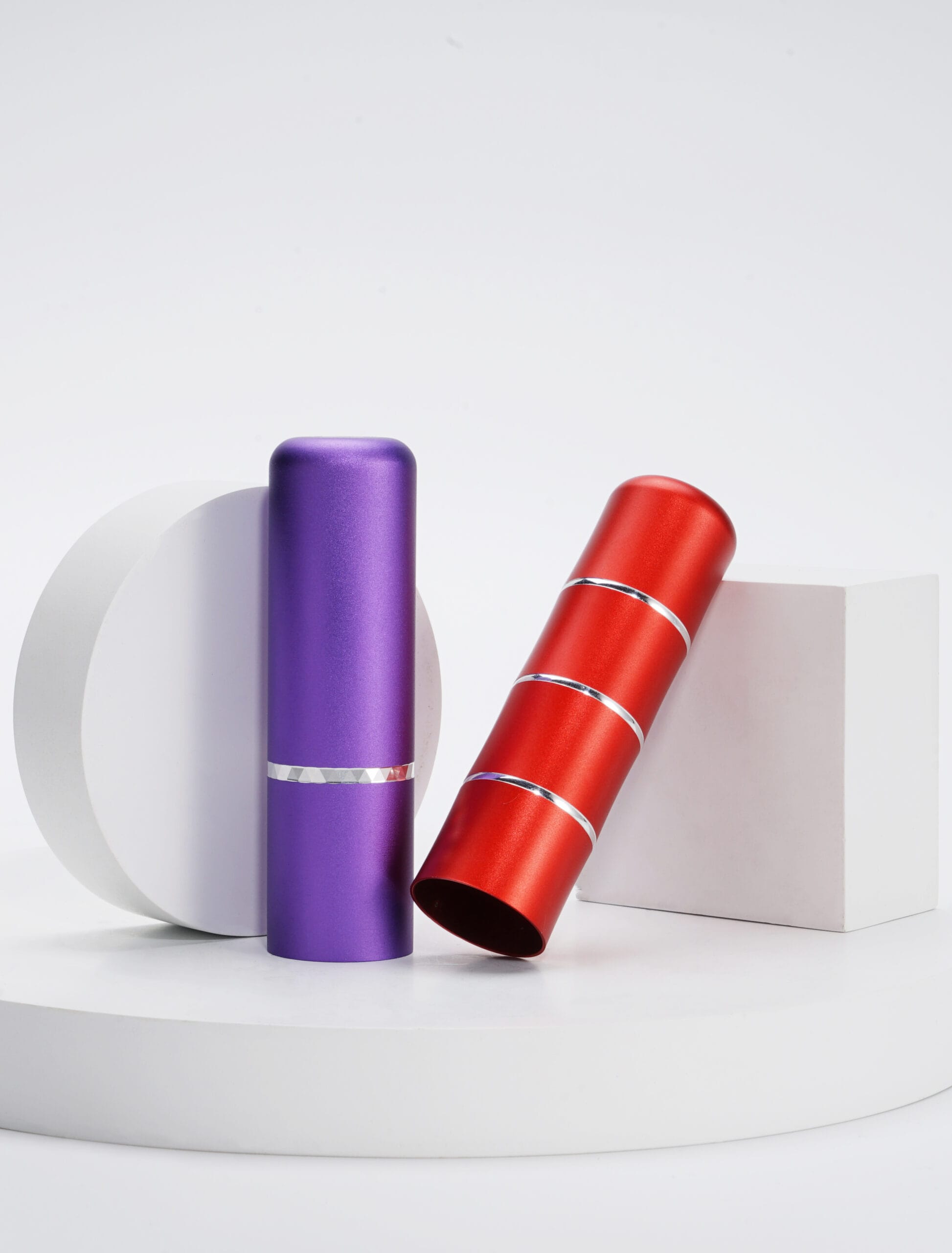
In the world of flagship smartphones and luxury wearable tech, there is a constant pursuit of the “Mirror Effect.”
A high-gloss finish suggests a product is perfectly clean, ultra-premium, and precision-engineered.
However, achieving a true high-gloss finish on aluminum is a high-wire act. Unlike matte finishes that hide defects, a gloss finish magnifies them. At Coboggi, we use a specialized multi-stage “Brightening” protocol to achieve this “Liquid Metal” look.
1. The Foundation: Mirror Machining
You cannot “anodize” your way to a gloss finish if the base metal is rough.
The “Tornado” Cut: We utilize high-speed diamond tools and specialized toolpaths that result in an aluminum surface with a Ra (Roughness Average) of less than 0.05 μm.
Buffing & Polishing: Before the chemical tanks, the parts undergo mechanical robotic polishing to remove any microscopic “tool marks” that would ruin the reflection.
2. The Secret Step: Chemical Brightening (Electropolishing)
Standard anodizing involves etching the metal to create a matte surface for dye. High-gloss anodizing does the opposite.
The Process: We submerge the parts in a specialized “Bright Dip” (a phosphoric-nitric acid bath) or an electropolishing tank.
The Physics: This process selectively removes the “peaks” of the surface at a molecular level, making the surface perfectly flat. The flatter the surface, the more “Specular” (mirror-like) the reflection becomes.
3. Maintaining “Transparency” in the Oxide Layer
The challenge with gloss anodizing is that the aluminum oxide layer (Al2O3) can naturally be slightly cloudy.
Coboggi’s Control: We strictly control the temperature and current density of the anodizing bath to ensure the “pores” of the oxide layer are perfectly vertical and transparent. This allows light to travel through the coating, hit the polished metal, and bounce back to the user’s eye without distortion.
4. Visual Impact: Deep Color Depth
High-gloss anodizing produces a color depth that matte finishes cannot match.
“Piano Black”: A gloss-anodized black looks deeper and “inkier” than a matte black.
“Electric Blue”: The colors appear more vibrant because the light is reflected directly rather than scattered.
5. Where Gloss Wins
Flagship Smartphone Frames: For that “seamless glass-to-metal” transition.
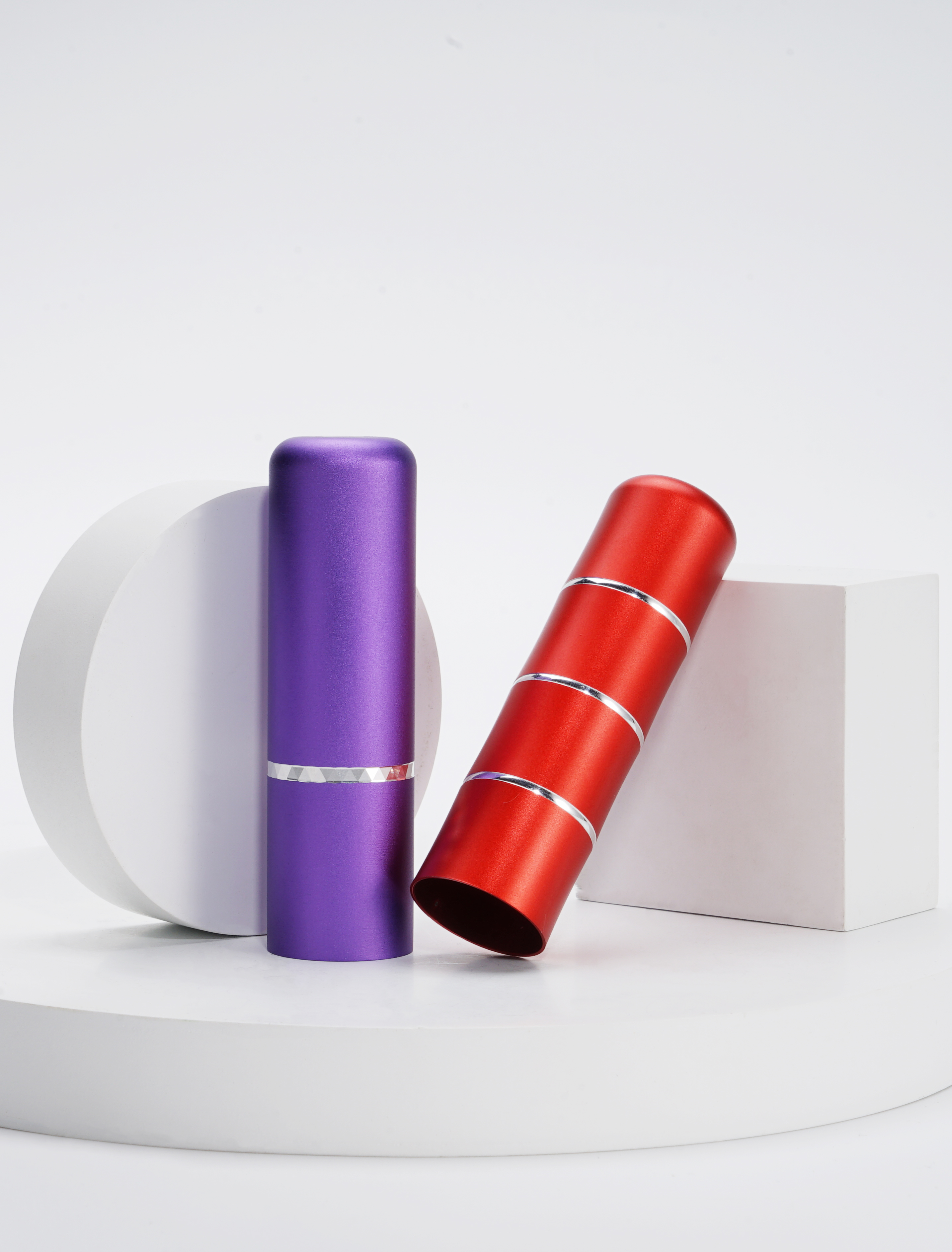
Luxury Cosmetic Packaging: Creating a “cool-to-the-touch” metallic feel with the shine of a mirror.
Jewelry-Grade Wearables: Smartwatch casings that need to match the polish of traditional high-end horology.
Conclusion: The Mirror of Quality
A high-gloss finish is a statement of confidence. It tells your customer that your machining is so perfect that you have nothing to hide. At Coboggi, we provide the technical mastery required to bring “Liquid Metal” to life.
Specification Comparison
| Specification | High-Gloss Anodizing | Standard Matte Anodizing (Type II) | Mechanical Polishing + Clear Coat |
|---|---|---|---|
| Surface roughness (Ra) | 0.05–0.10 µm | 0.40–0.80 µm | 0.15–0.30 µm |
| Gloss value (60° angle) | 85–92 GU | 10–25 GU | 70–80 GU |
| Coating thickness | 15–22 µm | 15–25 µm | 35–50 µm (total film) |
| Reflectance uniformity (ΔE*ab, 10-point avg) | ≤0.8 | ≥2.5 | ≤1.6 |
| UV resistance (QUV-A, ΔE*ab after 1,000 hrs) | 1.2–1.8 | 0.9–1.5 | 3.5–5.2 |
| Adhesion (ASTM D3359, cross-hatch) | 5B (100% retention) | 5B (100% retention) | 4B (95% retention) |
| Thermal stability (dimensional change at 150°C, 2 hrs) | +0.008 mm/m | +0.012 mm/m | +0.025 mm/m |
| Process cycle time (per batch, 1 m² load) | 185–210 min | 120–145 min | 240–285 min |
Frequently Asked Questions
What minimum aluminium alloy thickness do you require for high-gloss anodizing to prevent warping during the 18–22 °C electrolytic process?
We require a minimum substrate thickness of 1.5 mm for alloys like 6063-T5 to maintain dimensional stability; thinner sections risk distortion exceeding ±0.15 mm flatness tolerance.
What is the typical lead time from PO confirmation to shipment for high-gloss anodized architectural panels (e.g., 1200 × 3000 mm, 3.0 mm thick)?
Standard lead time is 12 business days — including surface prep, Type II anodizing at 15–18 μm coating thickness, and optical polishing to achieve ≥92 gloss units (60° ASTM D523).
Do you offer colour-matching guarantees against RAL or Pantone standards — and what’s the maximum allowable ΔE deviation under D65 lighting?
Yes — we guarantee colour consistency within ΔE ≤ 0.8 (CIEDE2000) for custom dyed high-gloss finishes, measured on a Konica Minolta CM-3700A spectrophotometer.
What is the minimum order quantity (MOQ) for high-gloss anodized extrusions with custom profile geometry?
The MOQ is 300 linear meters per profile cross-section — with a minimum batch weight of 280 kg to ensure uniform current density across our 12,000 L anodizing tanks.
How does your high-gloss process impact corrosion resistance — and what salt-spray test duration does it achieve per ASTM B117?
Our high-gloss anodize achieves 1,000 hours to white corrosion (ASTM B117) at a nominal coating thickness of 20 μm, exceeding AA-M15 Class I requirements by 250 hours.
Can high-gloss anodized surfaces be laser-marked without compromising reflectivity — and what’s the minimum line width achievable while retaining ≥88 GU gloss retention?
Yes — our proprietary post-anodize sealing allows CO₂ laser marking with ≥88 GU gloss retention at line widths as narrow as 0.12 mm (measured at 60° using BYK-Gardner micro-TRI-gloss).