At Coboggi, we believe that the soul of an enclosure lies in its finish.
Specification Comparison
| Specification | Standard Anodising (Type II) | Hard Anodising (Type III) | Electroless Nickel Plating |
|---|---|---|---|
| Coating thickness | 5–25 µm | 25–100 µm | 12–50 µm |
| Hardness (Vickers) | 200–400 HV | 400–600 HV | 550–700 HV |
| Corrosion resistance (salt spray, ASTM B117) | 336+ hours to white rust | 500+ hours to white rust | 720+ hours to red rust |
| Electrical resistivity (at 25°C) | 1.0 × 10⁹ Ω·cm | 1.2 × 10⁹ Ω·cm | 5.8 × 10⁻⁶ Ω·cm |
| Thermal conductivity (W/m·K) | 0.5–1.2 | 0.3–0.8 | 60–65 |
| Dimensional tolerance impact (per side) | +2.5–+12.5 µm | +12.5–+50 µm | +6–+25 µm |
| Maximum continuous operating temperature | 80 °C | 120 °C | 350 °C |
| Process time (typical cycle) | 45–90 minutes | 120–360 minutes | 180–420 minutes |
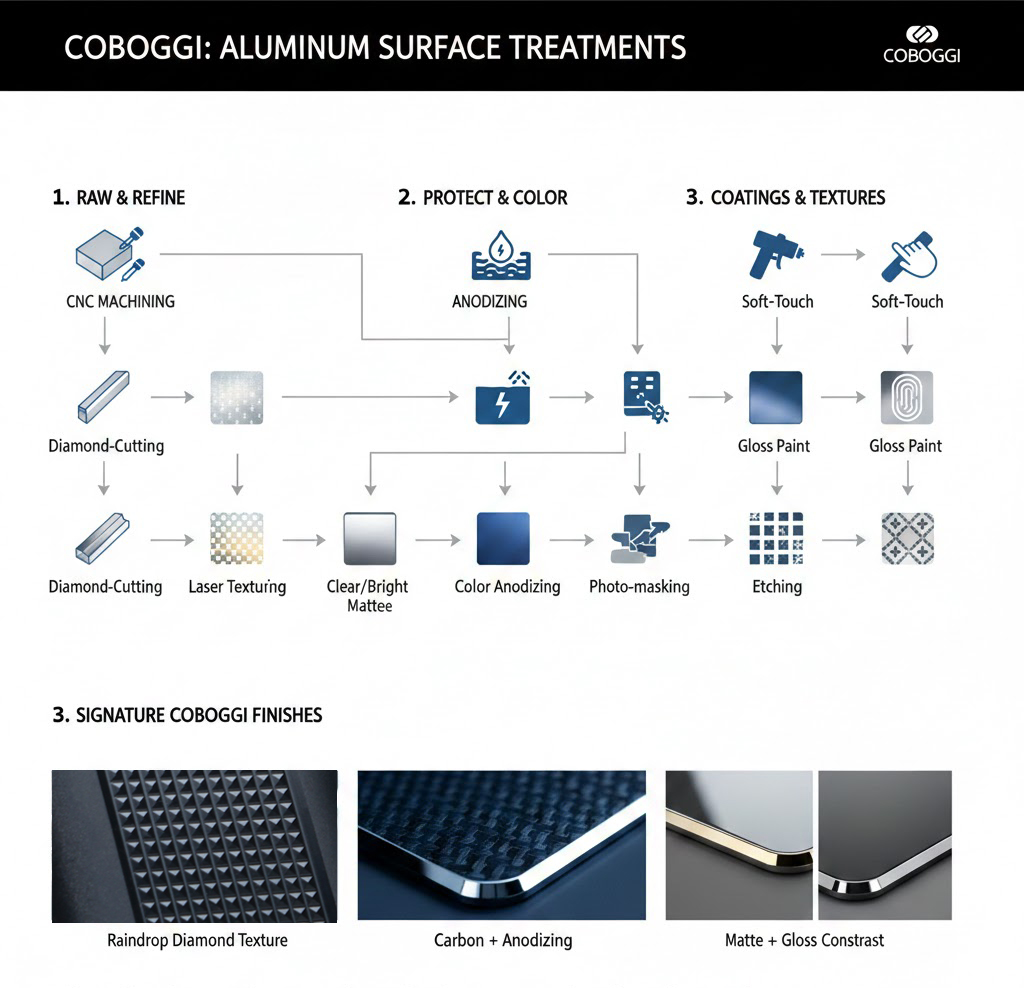
An aluminum alloy housing is more than just a protective shell; it is a tactile experience where precision engineering meets artistic expression. To achieve the perfect balance of durability and aesthetic brilliance, we employ an elite suite of CNC machining and electrochemical processes.
Here is an in-depth look at the advanced surface treatment technologies that define our manufacturing core.
1. The Foundation: CNC Machining & Anodizing
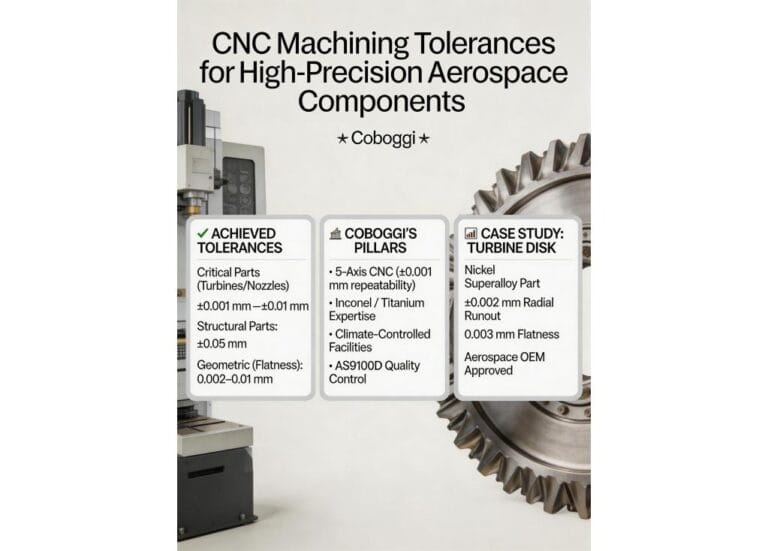
Every Coboggi enclosure begins with high-precision CNC Machining. We mill solid aluminum blocks to micron-level tolerances. To protect this precision, we apply Anodizing, an electrochemical process that converts the metal surface into a hard, decorative, and corrosion-resistant anodic oxide finish.
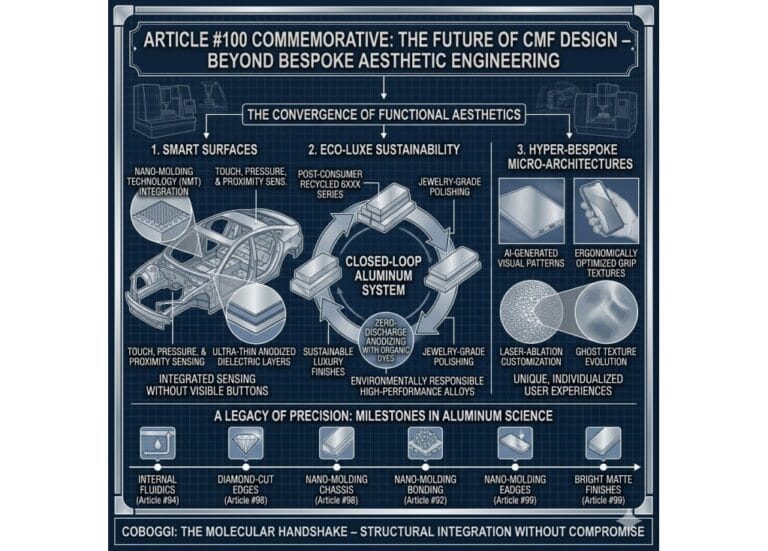
For projects requiring a vibrant brand identity, our Color Anodizing process offers a spectrum of deep, metallic hues—from Space Gray to Emerald Green—ensuring the color is chemically bonded to the metal for a lifetime of use.
2. High-Reflectivity Techniques: Diamond-Cutting & Bright Finishes
To create visual highlights that capture the light, we utilize Diamond-Cutting . Using natural diamond tools, we shave the aluminum to create a mirror-like shine.
Bright Anodizing: Combined with diamond-cutting, this creates a high-gloss, premium metallic luster.
Raindrop Diamond Texture : A signature Coboggi finish where the CNC creates thousands of microscopic, teardrop-shaped facets, resulting in a sparkling “raindrop” shimmer across the surface.
3. Sophisticated Texturing: Hidden Patterns & Carbon Effects
For a more subtle, high-end aesthetic, we offer “Ghost” textures:
CNC CD Texture : These are microscopic concentric grooves that create a sunburst light-shifting effect, commonly used on camera rings and volume knobs.
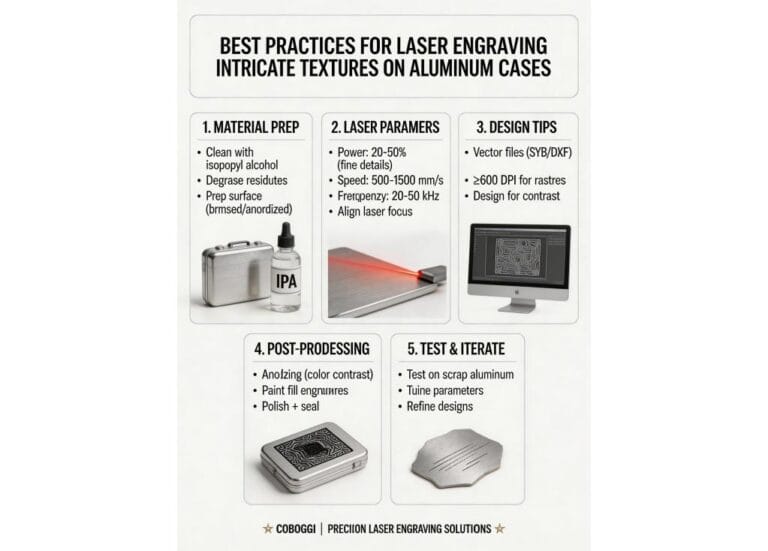
Carbon Fiber Texture : Through specialized laser texturing or 3D milling, we replicate the iconic weave of carbon fiber directly onto the aluminum, finished with a protective anodized layer.
4. Advanced Patterning: Photo-Masking & Etching
When designs require intricate logos or complex graphics, we move beyond simple engraving:
Photo-masking : Utilizing UV-exposure and development, we can apply high-definition patterns with photographic precision.
Chemical Etching: This process allows for deep, textural contrasts by selectively removing metal layers before the final anodizing stage, creating a sophisticated “tone-on-tone” effect.
5. Tactile Contrast: The Hybrid Finish
Modern product design often requires a mix of “Hard” and “Soft” sensations. We achieve this by combining mechanical cutting with high-performance coatings:
Matte Anodizing + Diamond-Cut: A non-reflective, sandblasted body paired with razor-sharp, shiny silver edges.
Soft-Touch Coating : We apply a specialized velvet-feel resin over the aluminum. When paired with Diamond-Cutting, the result is a product that is grippy and warm to the touch, yet accented by cold, brilliant metallic highlights.
The Coboggi Quality Standard
Quality at Coboggi is measured in microns and Delta-E values. We ensure:
Uniformity: Strict control over Color Anodizing to ensure zero batch-to-batch variation.
Durability: All coatings, including Gloss Painting and Soft-Touch finishes, undergo rigorous cross-hatch adhesion and salt-spray testing.
Precision: Every Laser Texture and Diamond-Cut edge is inspected under magnification for absolute clarity.
Coboggi: Redefining the Surface of Innovation.
Frequently Asked Questions
What anodizing thickness options do you offer, and what’s the standard tolerance for architectural-grade Type II anodizing?
We offer Type II anodizing from 15–25 µm nominal thickness, with a certified tolerance of ±2 µm per ASTM B580.
How long does your standard powder coating cure cycle take, and what is the minimum film thickness guaranteed for Class I (architectural) finishes?
Our standard epoxy-polyester powder coating cure cycle is 20 minutes at 180°C, and we guarantee a minimum dry-film thickness of 60 µm — verified per ISO 2808.
What is the salt spray resistance rating (ASTM B117) for your chromate conversion coating on 6063-T5 extrusions?
Our trivalent chromium conversion coating achieves ≥168 hours to white rust on 6063-T5, exceeding ASTM D1732 requirements by 48 hours.
Do you provide RoHS-compliant surface treatments, and what is the maximum allowable lead content in your compliant anodizing sealants?
Yes — all our anodizing sealants are RoHS 2015/863 compliant, with lead content strictly limited to ≤10 ppm, independently verified by SGS testing report #COB-AN-2024-0887.
What is your minimum order quantity (MOQ) for custom color-matched powder coating, and how many unique RAL codes can be matched per batch?
The MOQ for custom RAL-matched powder coating is 300 kg per color, and we support up to 4 distinct RAL codes (e.g., RAL 9005, RAL 7016, RAL 7035, RAL 9016) in a single production run.
How many thermal break configurations do you support for anodized curtain wall profiles, and what is the maximum profile height compatible with your automated anodizing line?
We support 12 standard thermal break configurations (including polyamide PA66 GF25 variants), and our automated anodizing line accommodates profiles up to 7.2 m in length and 320 mm in maximum cross-sectional height.