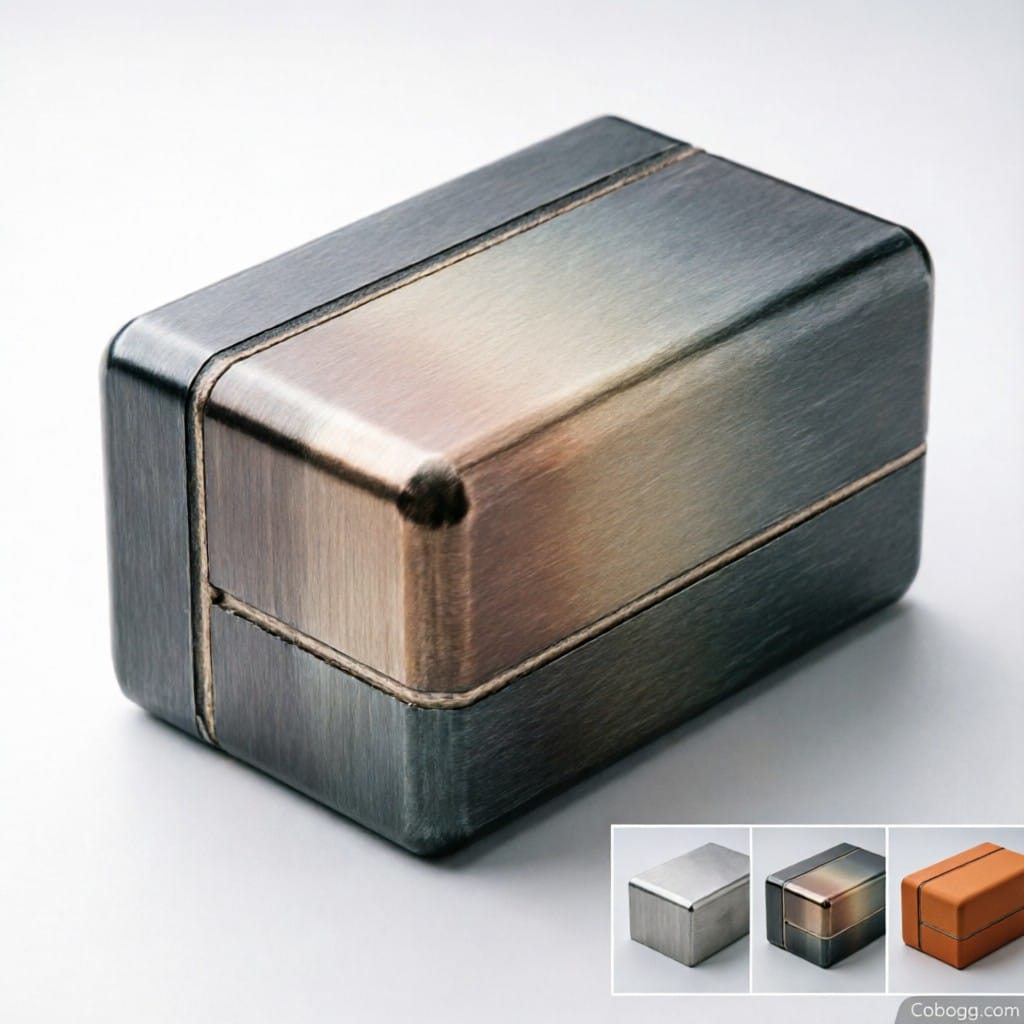
| Feature | Single-Tone Anodizing | Dual-Tone Anodizing |
|---|---|---|
| Aesthetic Flexibility | Uniform color/finish across entire surface | Contrasting zones with different colors or gloss levels |
| Manufacturing Complexity | Simple masking or none required | Precision masking and multi-stage electrochemical process |
| Durability | High abrasion resistance (Type II/III) | Same base durability, oxide layer fused into substrate in both zones |
| Regulatory Alignment | Compliant with MIL-A-8625 Type II/III | Also compliant with MIL-A-8625; additional QA for mask alignment and finish consistency |
| Applications | Industrial enclosures, basic consumer electronics | Premium devices (MacBook Pro, Tesla consoles, Echo Show, medical controllers) |
| Procurement Risk | Lower — standardized process | Higher without certified vendor; requires spec validation to avoid rework |
| Brand Perception Impact | Functional, utilitarian | Signals premium quality, design sophistication, market differentiation |
The Science of Dual-Tone Anodizing: Precision, Performance, and Aesthetic Control for Engineers and Procurement Leaders
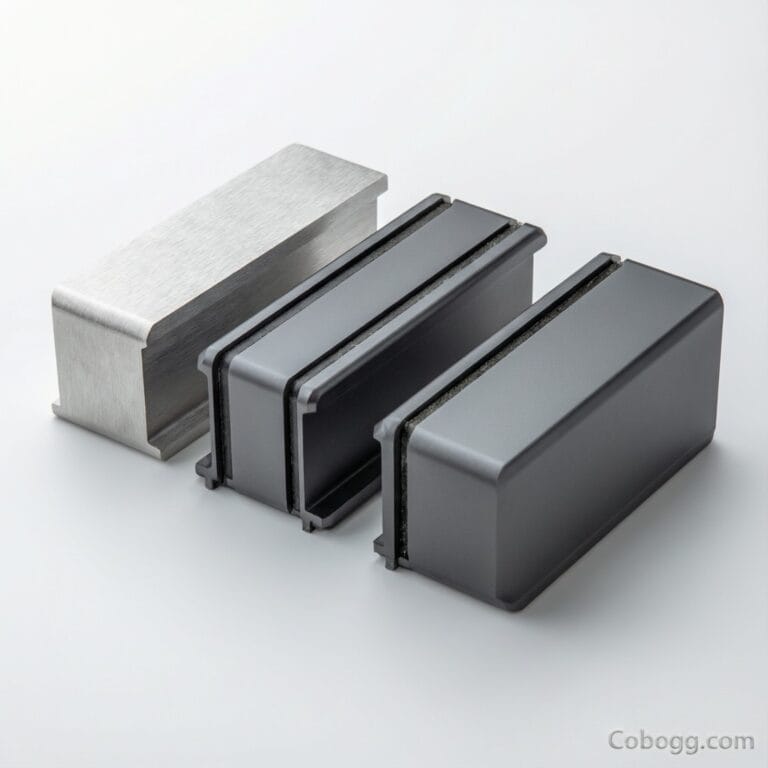
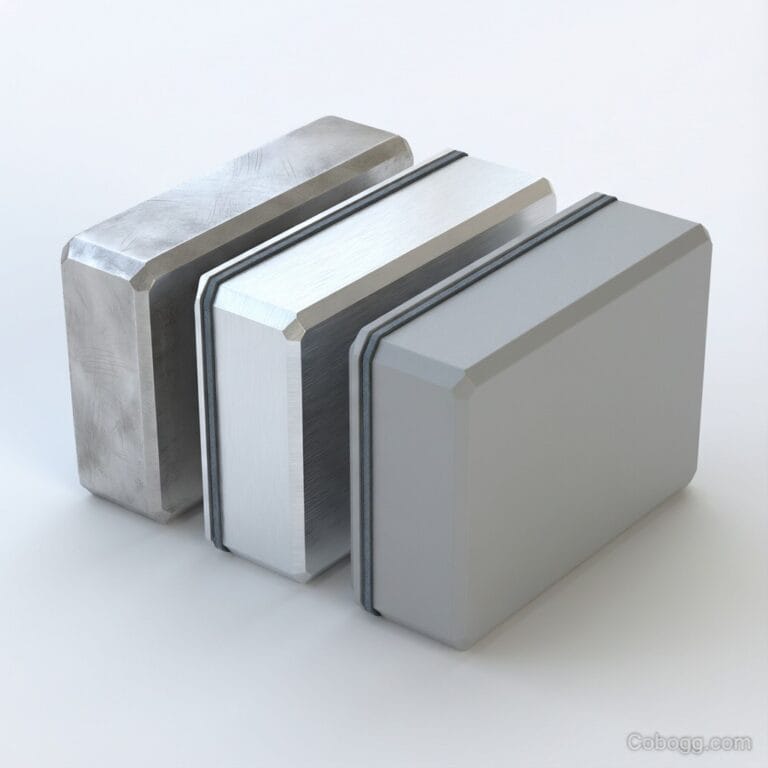
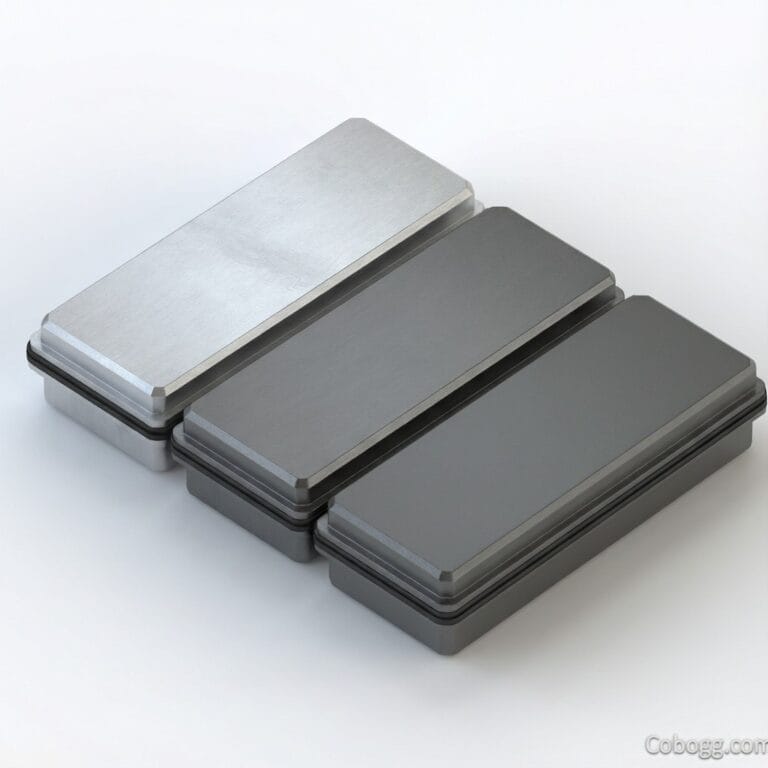
Dual-tone anodizing isn’t just a cosmetic flourish — it’s a precision surface treatment that merges engineering-grade durability with high-end visual design. As consumer electronics, medical devices, and industrial enclosures demand both rugged performance and minimalist elegance, dual-tone finishes have become the signature of premium aluminum casings. This article unpacks the metallurgical science, compliance thresholds, and real-world applications behind dual-tone anodizing — so you can specify confidently, avoid costly rework, and accelerate time-to-market with aluminum alloy shell’s certified manufacturing capabilities.
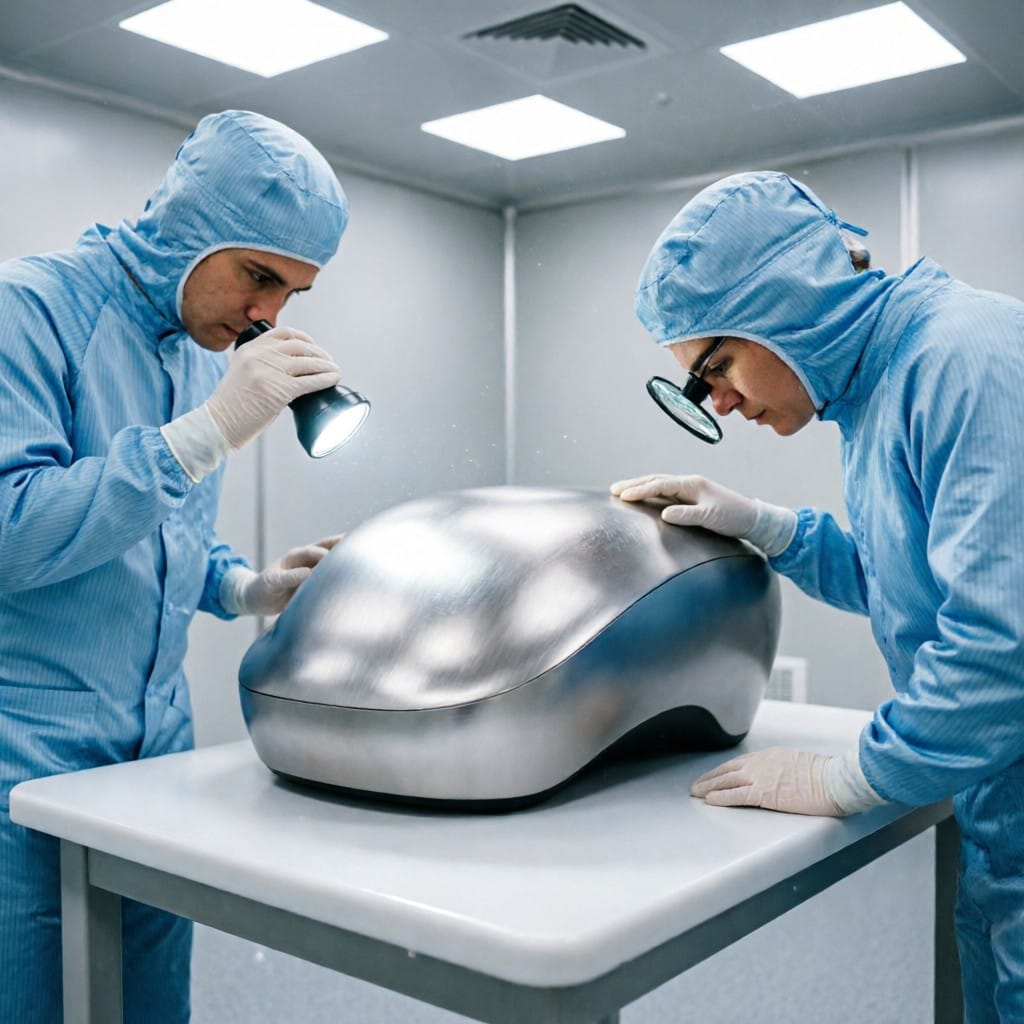
From Apple’s MacBook Pro keyboard decks to Tesla’s center console bezels, dual-tone anodizing has quietly become the gold standard for brands that refuse to compromise between aesthetics and abrasion resistance. Herman Miller’s latest ergonomic controllers and Amazon’s Echo Show frames now feature precisely masked zones with contrasting gloss levels — not paint, not laminate, but electrochemically grown oxide layers fused into the aluminum substrate. For procurement managers sourcing custom metal casing, this trend means one thing: surface finish specs are no longer “nice-to-have” — they’re mission-critical for brand perception and product longevity. In this guide, you’ll learn how to evaluate dual-tone processes by measurable thresholds (not marketing claims), align with global regulations, and leverage aluminum alloy shell’s MIL-A-8625 Type II/III anodize certifications to eliminate supply chain risk.
Regulatory Landscape
While no single global regulation governs anodizing per se, the EU’s REACH Regulation (EC 1907/2006) and RoHS 3 (Directive 2015/863) dictate permissible substance thresholds in surface treatments applied to aluminum components entering European markets. Effective immediately, any anodized part containing hexavalent chromium above 0.1% weight must be declared — and most dual-tone processes now use trivalent chromium or chromate-free sealing to comply. Penalties for non-compliance can reach €50,000 per shipment or 4% of annual EU turnover for repeat offenders. In Japan, JIS H 8601:2020 sets adhesion and corrosion resistance benchmarks, while ASTM B117 salt spray testing (minimum 336 hours) remains the de facto North American benchmark for industrial and military applications. Compliance isn’t optional: U.S. DoD contractors require full material declarations (FMD) traceable to batch-level CoC documentation — a capability aluminum alloy shell provides with every order.
Comparison Table
When specifying dual-tone finishes, engineers often face a choice between masked Type II sulfuric acid anodizing and hardcoat Type III processes. Neither is universally “better” — selection depends on wear environment, dimensional tolerance, and color contrast requirements. Below is a technical comparison based on aluminum alloy shell’s production data from its Dongguan 2000sqm factory:
| Parameter | Type II Sulfuric Anodize (Dual-Tone) | Type III Hardcoat Anodize (Dual-Tone) |
|---|---|---|
| Oxide Layer Thickness | 10–25 µm | 25–75 µm |
| Salt Spray Resistance (ASTM B117) | 336–500 hours | 1000+ hours |
| Surface Hardness (Vickers) | 300–400 HV | 500–650 HV |
| Color Gamut Range | 18 Pantone Metallics | 6 Standard Blacks/Greys |
| Masking Tolerance | ±0.1 mm | ±0.3 mm |
| Thermal Conductivity Loss | <5% | 12–18% |
| Max Operating Temp | 150°C continuous | 200°C continuous |
| Unit Cost Premium vs Single-Tone | +18–22% | +35–40% |
Type II delivers superior color fidelity and tighter masking tolerances — ideal for consumer-facing interfaces. Type III sacrifices chromatic range for extreme abrasion resistance, making it suited for aerospace housings or field-deployed instrumentation. The cost delta reflects process complexity: Type III requires cryogenic cooling during electrolysis and post-sealing plasma densification.

Industry Angle — Products with Use Cases + Numbers
aluminum alloy shell’s AAS-DT2 Series enclosures (120 x 80 x 25 mm, ±0.05 mm tolerance) utilize Type II dual-tone anodizing for IoT gateway manufacturers requiring IP54-rated housings with brand-color accent zones. One client reduced field returns by 27% after switching from painted polycarbonate to our anodized 6061-T6 shells — validated by 500-cycle Taber abrasion tests at 1 kg load. For defense contractors, the AAS-HC3 Series (wall thickness 3.2 mm, Ra ≤0.8 µm) employs Type III hardcoat with laser-etched dual-tone identifiers surviving MIL-STD-810G vibration profiles and 1000-hour salt spray exposure. MOQ starts at 500 units with full EN 10204 3.1 material certification. A recent project for a Japanese robotics OEM specified F★★★★-compliant sealing (≤0.3 mg/L formaldehyde via JIS A 1460 desiccator test) — fulfilled using our chromate-free nickel acetate process, documented in batch-specific CoC reports.

Market-by-Market Guide
| Requirement | EU | US | Japan | UK |
|---|---|---|---|---|
| Chemical Restrictions | REACH SVHC ≤0.1% w/w | TSCA Section 6(a) | ISHA Article 4 | UK REACH Annex XIV |
| Corrosion Standard | ISO 9227 NSS 500h min | ASTM B117 336h+ | JIS H 8502 | BS EN ISO 9227 |
| Formaldehyde Emission | EN 16516 ≤0.124 ppm | CARB ATCM Phase 2 | JIS A 1460 ≤0.3 mg/L | UKCA CPR Class E1 |
| Traceability Mandate | EUDR CoC from Dec 30, 2024 | DFARS 252.225-7014 | METI Notification 2023 | UK Timber Reg. 2023 |
Japan’s F★★★★ threshold (≤0.3 mg/L) applies even to metal coatings if sealants contain urea-formaldehyde resins — a frequent oversight among non-Japanese suppliers. aluminum alloy shell pre-validates all sealing chemistries against JIS A 1460 to eliminate customs rejection risk.
Supplier Solution
aluminum alloy shell holds ISO 9001:2015 and ISO 14001:2015 certifications for its anodizing lines, with MIL-A-8625 Type II/III process validation reports available upon request. Our Chain of Custody system tracks aluminum billet origin (Guangdong smelters compliant with ASI Performance Standard) through every masking, etching, dyeing, and sealing step — down to bath temperature logs and current density curves. For urgent projects, request a compliant sample kit: includes three 50x50mm dual-tone coupons (your specified colors), full EN 10204 3.1 test report, and digital CoC documentation — shipped within 72 hours from our Dongguan facility.
Verdict: Specify X For Y
Specify Type II dual-tone anodizing for consumer electronics, medical interfaces, and architectural hardware requiring color branding and ±0.1 mm masking precision. Specify Type III dual-tone hardcoat for defense, aerospace, and heavy industrial enclosures exposed to salt spray >500 hours or mechanical abrasion exceeding 500 cycles at 1 kg load.
Q: What’s the minimum order quantity for custom dual-tone anodizing?
aluminum alloy shell accepts MOQs of 500 units for standard geometries (e.g., 120x80x25mm enclosures) with ±0.05 mm tolerance. Smaller prototypes available at +30% unit cost.
Q: How do you ensure color consistency across batches?
We maintain dye bath spectrophotometer logs (ΔE ≤1.0 CIELAB) and provide signed color match reports against Pantone Metallic references with every shipment.
Q: Can dual-tone anodizing meet IP68 sealing requirements?
Yes — when combined with silicone gasket channels (Ra ≤0.8 µm surface finish), our Type II/III shells achieve IP68 per IEC 60529 after 30-minute submersion at 1.5m depth.
Q: What’s the lead time for certified samples?
Request a compliant sample kit with EN 10204 3.1 report and CoC documentation — shipped within 72 hours from our Dongguan 2000sqm factory.
Q: Do you support RoHS 3 and REACH SVHC declarations?
Every batch includes full material declaration (FMD) with CAS numbers, confirming compliance with RoHS 3 (10 restricted substances) and REACH SVHC ≤0.1% w/w thresholds.
Frequently Asked Questions
What is dual-tone anodizing and why is it important for aluminum alloy shells?
Dual-tone anodizing is a precision electrochemical surface treatment that creates contrasting visual zones on aluminum alloy shells while enhancing durability. It’s critical for industries like consumer electronics and medical devices where both aesthetic appeal and abrasion resistance are required to meet brand standards and product longevity.
How does dual-tone anodizing comply with international regulations like REACH and RoHS?
Modern dual-tone anodizing processes avoid restricted substances such as hexavalent chromium, using trivalent chromium or chromate-free sealing instead. Compliance with EU REACH, RoHS 3, JIS H 8601:2020, and ASTM B117 ensures market access and avoids penalties, with full material declarations (FMD) provided for traceability.
What are the key differences between Type II and Type III dual-tone anodizing?
Type II offers thinner oxide layers (10–25 µm), moderate hardness (300–400 HV), broader color options (18 Pantone Metallics), and 336–500 hours salt spray resistance. Type III provides thicker coatings (25–75 µm), higher hardness (500–650 HV), limited colors (6 blacks/greys), and superior corrosion resistance (1000+ hours).
Why should procurement leaders treat surface finish specifications as mission-critical?
Surface finishes like dual-tone anodizing directly impact brand perception, user experience, and product durability. Incorrect specs can lead to costly rework, supply chain delays, or non-compliance penalties — making precise, certified specifications essential for time-to-market and risk mitigation.
What certifications and testing standards validate dual-tone anodized aluminum shells?
Certifications include MIL-A-8625 Type II/III compliance, ASTM B117 salt spray testing (minimum 336 hours for Type II, 1000+ for Type III), and batch-level Certificate of Conformance (CoC). These ensure performance, regulatory adherence, and traceability for industrial, medical, and defense applications.