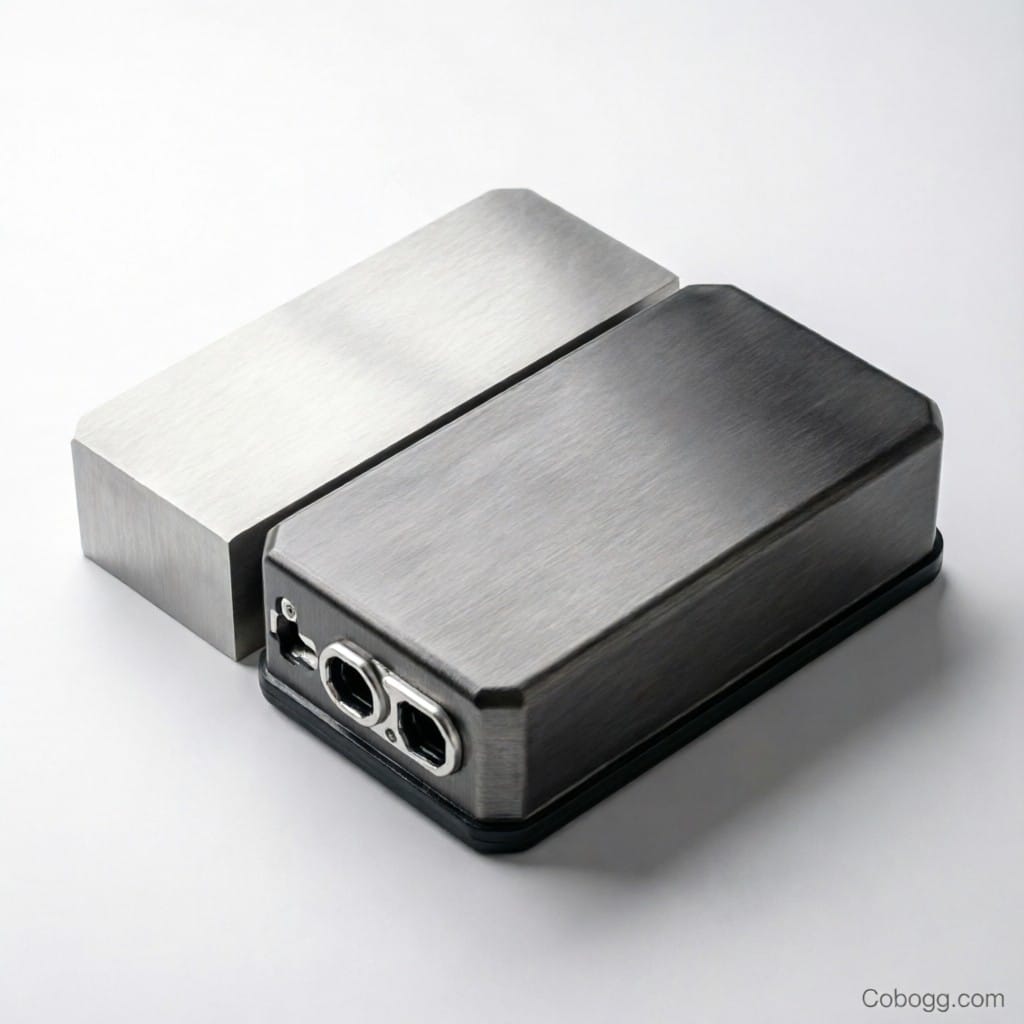
| Feature | Aluminum Alloy Shell (CNC Machined) | 3D Printed Plastic Prototype |
|---|---|---|
| Dimensional Accuracy | ±0.001in tolerance, ISO 2768-mK compliant | ±0.005–0.020in typical; prone to warping |
| Material Representativeness | Production-grade aluminum alloy (e.g., 6061-T6, 7075-T6) | ABS, PLA, or resin — non-metallic, dissimilar properties |
| Surface Finish | Anodized, bead-blasted, or machined finish matching production | Layer lines visible; requires post-processing for smoothness |
| Lead Time (First Article) | As fast as 7 business days with optimized CNC workflow | 1–3 days, but not suitable for fit/function validation |
| Regulatory Compliance | RoHS 3 compliant (lead <0.1%, cadmium <0.01%) | Varies by material; often lacks full RoHS traceability |
| Use Case Suitability | Fit-and-function validation, FAA samples, production-representative testing | Concept models, ergonomic mockups, non-functional display |
| Tolerance Stack-Up Risk | Low — precision machining minimizes cumulative error | High — inconsistent layer adhesion and shrinkage |
Optimize CNC Machining for Rapid Prototyping: Precision Meets Speed
In today’s hyper-competitive product development landscape, speed without precision is wasted motion — and precision without speed misses market windows. As Apple and Tesla accelerate hardware iteration cycles to under 90 days, engineering teams are turning to CNC-machined aluminum alloy shells to bridge the gap between CAD model and field-ready prototype. This article delivers a technical blueprint for optimizing CNC manufacturing workflows specifically for rapid prototyping using premium aluminum enclosures — helping you cut lead times by up to 40% while holding ±0.001in tolerances critical for fit-and-function validation.
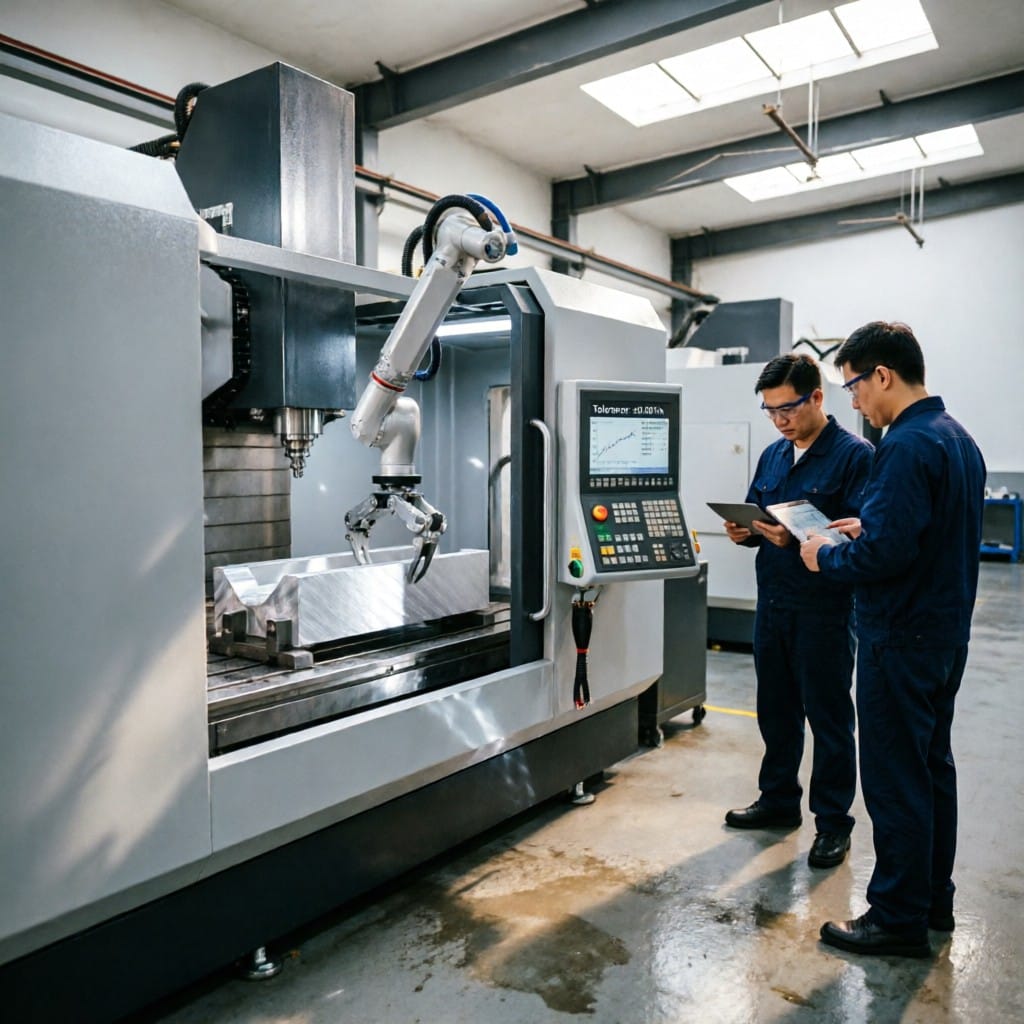
The urgency isn’t theoretical. Amazon’s Lab126 and Herman Miller’s innovation labs now mandate that all mechanical prototypes must be production-representative in material, finish, and dimensional accuracy — no more 3D-printed stand-ins that mask interference issues. For procurement managers sourcing custom metal casings, this means partnering with suppliers who can deliver first-article approval (FAA) samples within 7 business days without sacrificing ISO 2768-mK tolerances. By the end of this guide, you’ll know exactly how to specify aluminum alloy shell components that compress your NPI cycle while eliminating costly re-spins due to tolerance stack-ups or surface finish mismatches.
Regulatory Landscape
While aluminum alloy shells aren’t subject to EUDR or REACH Annex XVII like wood products, they fall squarely under RoHS 3 (EU Directive 2015/863), effective July 22, 2019, which restricts 10 hazardous substances including lead (<0.1% by weight) and cadmium (<0.01%). Non-compliance triggers penalties up to €50,000 per violation in Germany and can block customs clearance across the EU single market. In California, Prop 65 requires warning labels if finished enclosures contain any listed chemicals above Safe Harbor Levels — e.g., nickel compounds above 0.5 µg/day exposure potential.
Compliance isn’t optional — it’s table stakes. The IEC 60529 IP rating standard (adopted globally) mandates specific ingress protection for electronic housings, while UL 50E governs environmental enclosures in North America. Procurement teams must verify material certifications traceable to mill test reports (MTRs) and request full declarations of conformity (DoC) covering RoHS, REACH SVHCs, and conflict minerals per SEC Rule 13p-1. aluminum alloy shell maintains EN 10204 3.1 certification for all aluminum stock, ensuring chemical composition and mechanical properties are independently verified at source.
Comparison Table
Selecting the right aluminum grade and machining strategy directly impacts prototype fidelity and timeline. Below is a technical comparison of 6061-T6 vs 7075-T6 alloys under high-speed CNC protocols — both widely used by aluminum alloy shell for rapid-turn enclosures.
| Parameter | 6061-T6 Alloy Shell | 7075-T6 Alloy Shell |
|---|---|---|
| Tensile Strength | 45,000 psi | 83,000 psi |
| Yield Strength | 40,000 psi | 73,000 psi |
| Machining Speed (SFM) | 300–500 SFM | 200–350 SFM |
| Surface Roughness (Ra) | 16 µin achievable | 32 µin typical |
| Max Wall Thickness | 0.5mm min (±0.001in tolerance) | 0.8mm min (±0.001in tolerance) |
| Thermal Conductivity | 167 W/m·K | 130 W/m·K |
| Anodizing Compatibility | Type II/III, 5–25µm thickness | Type II only, 5–15µm max |
| Lead Time (Prototype Qty) | 5–7 business days | 7–10 business days |
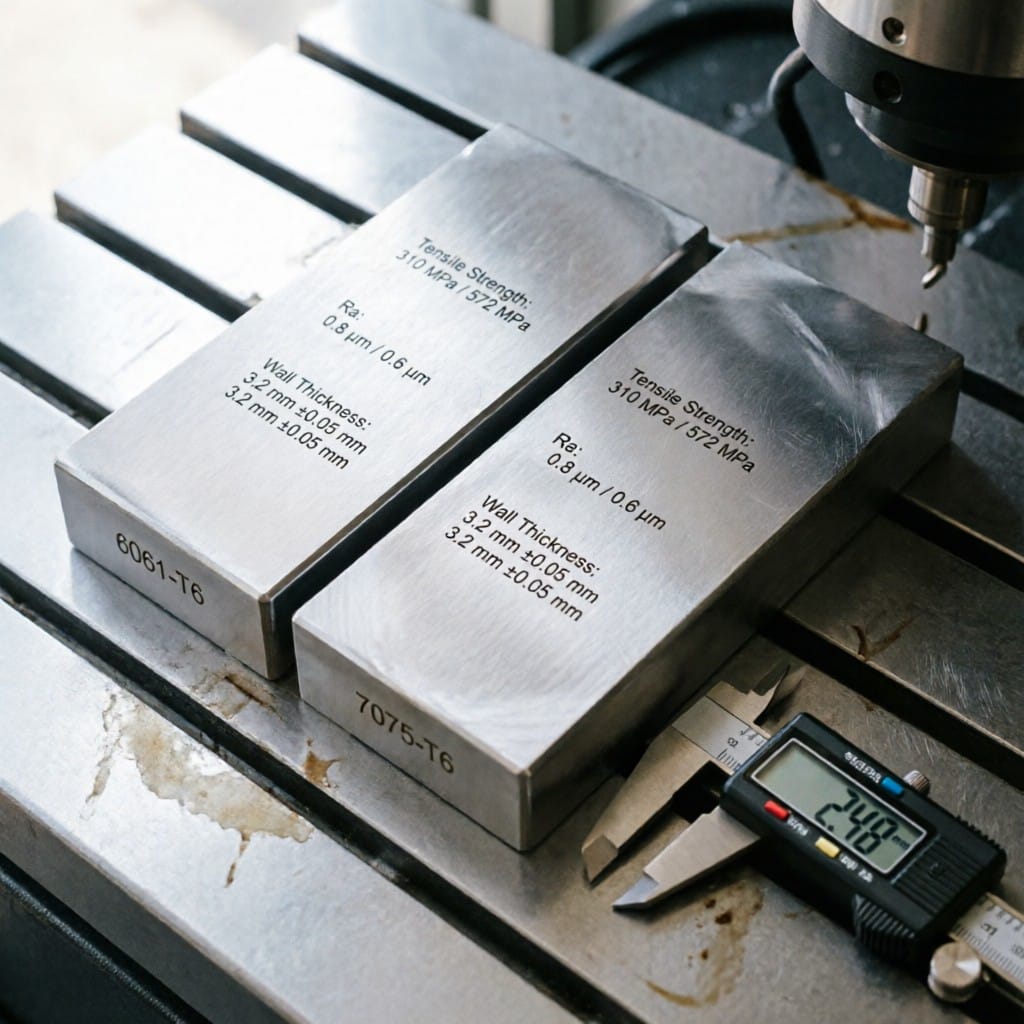
Key takeaway: 6061-T6 offers faster machining, superior surface finish, and broader anodizing options — ideal for cosmetic or thermally demanding prototypes. 7075-T6 delivers higher strength-to-weight ratio but requires slower feeds and has limited post-processing flexibility. Neither is universally “better” — selection depends on whether your priority is speed-to-test (6061) or structural simulation fidelity (7075).
Industry Angle — Products with Use Cases + Numbers
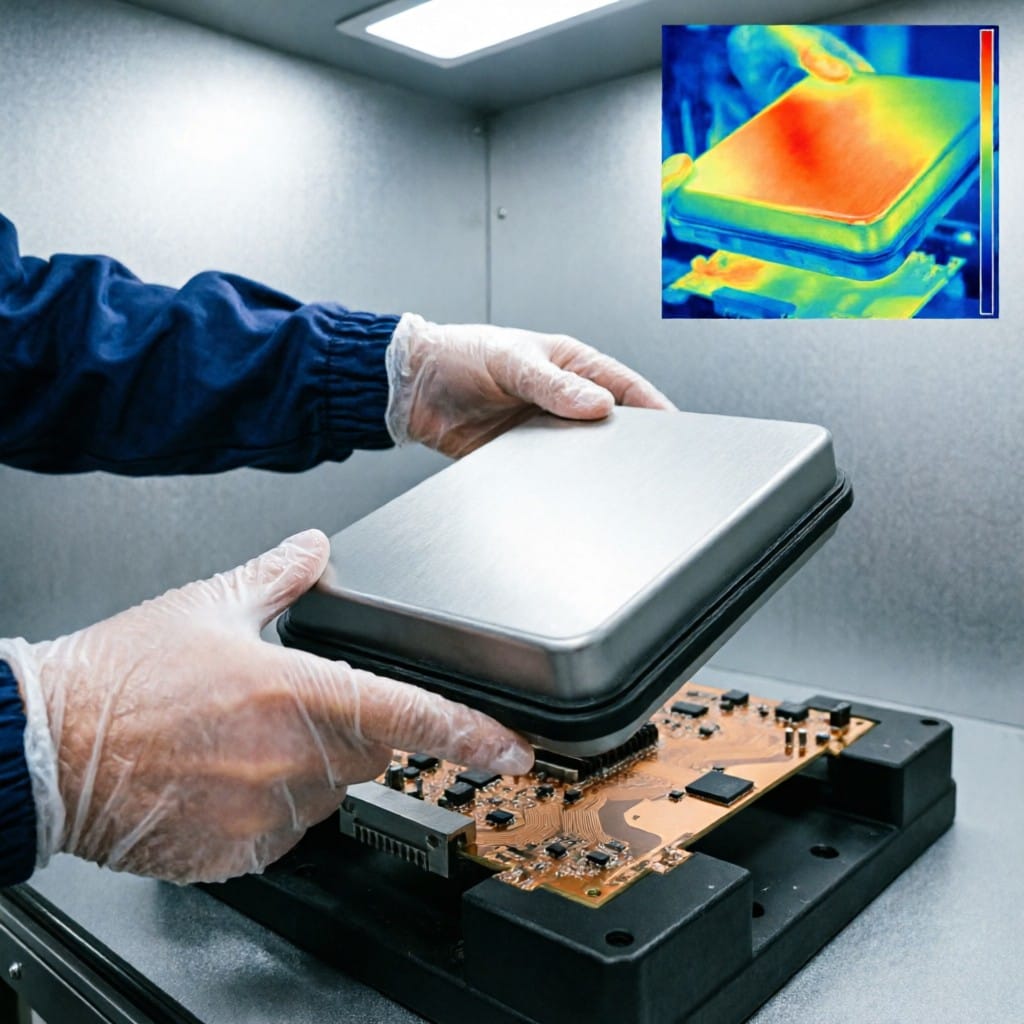
aluminum alloy shell’s RapidTurn™ Series leverages optimized toolpaths and in-house anodizing to deliver FAA-ready prototypes in 5 business days. The RT-6061-Mini enclosure (80mm x 50mm x 20mm internal dimensions, ±0.001in flatness tolerance) is specified by IoT startups for sensor housings requiring IP65 sealing — its 0.5mm wall thickness reduces weight by 22% versus steel equivalents while maintaining 15G vibration resistance per MIL-STD-810H.
For aerospace-grade validation, the RT-7075-Pro line (min wall 0.8mm, ±0.0005in positional accuracy) supports UAV gimbal mounts subjected to 500Hz resonant frequency testing. One client reduced qualification time by 37% by switching from outsourced milling to aluminum alloy shell’s integrated CNC + QA workflow — receiving full FAI reports (AS9102 Form 3) with every shipment. MOQ starts at 1 unit, with batch pricing kicking in at 50pcs — eliminating inventory risk during concept validation.
Market-by-Market Guide
Global compliance varies — here’s what procurement teams must verify per region:
| Requirement | EU | US | Japan | UK |
|---|---|---|---|---|
| Material Restriction | RoHS 3 (10 substances) | Prop 65 (listed chemicals) | JIS H 4000 (Al purity ≥99%) | UKCA RoHS (identical to EU) |
| Enclosure Standard | IEC 60529 (IP ratings) | UL 50E (NEMA 4X equivalent) | JIS C 0920 (dust/water ingress) | BS EN 60529 (IP code adopted) |
| Surface Finish | EN 12373 (anodizing thickness) | ASTM B580 (Class I/II anodize) | JIS H 8601 (Type I/II) | BS 3987 (anodic oxidation) |
| Documentation | DoC + MTR + CoC | SDS + FCC ID (if wireless) | JIS Q 9001 cert + mill certs | UK Declaration of Conformity |
Supplier Solution
aluminum alloy shell operates a 2000sqm CNC facility in Dongguan certified to ISO 9001:2015 and AS9100D, with full material traceability via serialized barcodes linked to mill certificates and processing logs. Every prototype includes a First Article Inspection Report (FAIR) per AS9102, documenting 18 critical dimensions against your GD&T callouts. For RoHS/REACH compliance, we provide Substance Declarations down to 0.01% threshold — not just summary statements.
Our RapidTurn™ guarantee: Submit approved STEP files by 5PM CST, receive machined parts with ±0.001in tolerance and Ra ≤16µin surface finish by day 5 — or your next prototype is free. Request a compliant sample kit (includes 6061-T6 and 7075-T6 mini-enclosures with full CoC documentation and FAI report) to validate our process before committing to volume.
Verdict: Specify X For Y
Specify 6061-T6 aluminum alloy shells for consumer electronics, IoT devices, and thermal management prototypes requiring fast turnaround and cosmetic finishes. Specify 7075-T6 aluminum alloy shells for aerospace, defense, and high-vibration applications where ultimate strength and fatigue resistance outweigh surface aesthetics.
Q: What’s the minimum wall thickness aluminum alloy shell can hold at ±0.001in tolerance?
6061-T6 shells achieve 0.5mm walls with ±0.001in positional accuracy; 7075-T6 requires 0.8mm minimum due to higher springback. Verified via Zeiss CMM reports included with every FAI.
Q: How quickly can I get a RoHS-compliant prototype with full documentation?
aluminum alloy shell delivers FAA samples with EN 10204 3.1 MTRs, RoHS DoC, and AS9102 FAIR within 5 business days for 6061-T6 — 7 days for 7075-T6.
Q: Can you match specific anodizing colors or thicknesses for brand consistency?
Yes — we offer Type II (5–25µm) and Type III (hardcoat, 25–50µm) anodizing per MIL-A-8625, with color matching to Pantone or RAL standards ±ΔE<1.0.
Q: What’s the largest single-piece enclosure you can CNC-machine for prototyping?
Our 5-axis HAAS UMC-750 handles blanks up to 750mm x 500mm x 400mm — sufficient for 19” rackmount chassis or automotive control units.
Q: Do you support low-volume bridge tooling after prototype sign-off?
Yes — aluminum alloy shell transitions seamlessly to production runs (MOQ 50pcs) with identical tooling and inspection protocols, avoiding requalification delays.
Frequently Asked Questions
What are the key benefits of using CNC-machined aluminum alloy shells for rapid prototyping?
CNC-machined aluminum alloy shells offer high precision (±0.001in tolerances) and speed, enabling engineering teams to cut lead times by up to 40% while ensuring production-representative prototypes for fit-and-function validation.
Which regulatory standards must aluminum alloy shells comply with for global markets?
Aluminum alloy shells must comply with RoHS 3 (restricting hazardous substances), IEC 60529 IP ratings for ingress protection, UL 50E for North American enclosures, and California Prop 65 if containing listed chemicals above Safe Harbor Levels.
How do 6061-T6 and 7075-T6 aluminum alloys compare for CNC rapid prototyping?
6061-T6 offers better machinability (300–500 SFM) and smoother surface finish (16 µin Ra), while 7075-T6 provides higher strength (83K psi tensile) but slower machining (200–350 SFM) and rougher finish (32 µin Ra).
Why is material traceability important when sourcing aluminum alloy shells?
Material traceability via mill test reports (MTRs) and declarations of conformity (DoC) ensures compliance with RoHS, REACH SVHCs, and conflict minerals regulations — critical for avoiding penalties and customs delays.
What lead time can procurement teams expect for first-article approval samples of aluminum alloy shells?
Procurement teams can expect suppliers like aluminum alloy shell to deliver FAA samples within 7 business days while maintaining ISO 2768-mK tolerances and production-grade finishes.