| Feature | Aluminum Alloy Shell (CNC Machined) | Plastic Shell |
|---|---|---|
| Tolerance Precision | ±0.001in | ±0.01in or less precise |
| Heat Dissipation | 3x faster than plastic | Slower, prone to heat buildup |
| Structural Rigidity | Reduces key wobble, rigid chassis | Flexible, may flex under use |
| Durability (Actuations) | Withstands 50,000+ without fatigue | Degrades sooner under heavy use |
| Surface Finish (Ra) | ≤0.8µm achievable | Typically >1.6µm, less consistent |
| Regulatory Compliance | RoHS 3 compliant alloys available | May contain restricted substances |
| Aesthetic & Brand Perception | Premium, minimalist, aerospace-grade | Consumer-grade, utilitarian |
| Industry Adoption | Apple, Herman Miller, Razer, Tesla | Budget brands, legacy models |
CNC Machining for Mechanical Keyboards: Precision Aluminum Housings That Engineers Trust
The mechanical keyboard market is no longer a niche hobbyist domain — it’s a precision engineering battleground where millimeters define user experience and brand loyalty. As gamers, programmers, and designers demand tactile perfection wrapped in aerospace-grade durability, manufacturers like Apple and Herman Miller have raised the bar with CNC-machined aluminum enclosures that marry function with minimalist elegance. This article breaks down why CNC aluminum alloy shells — machined to +/-0.001in tolerance — are now the non-negotiable standard for premium gaming peripherals, how global regulations impact sourcing, and which specs matter most for procurement teams scaling production without compromising quality.
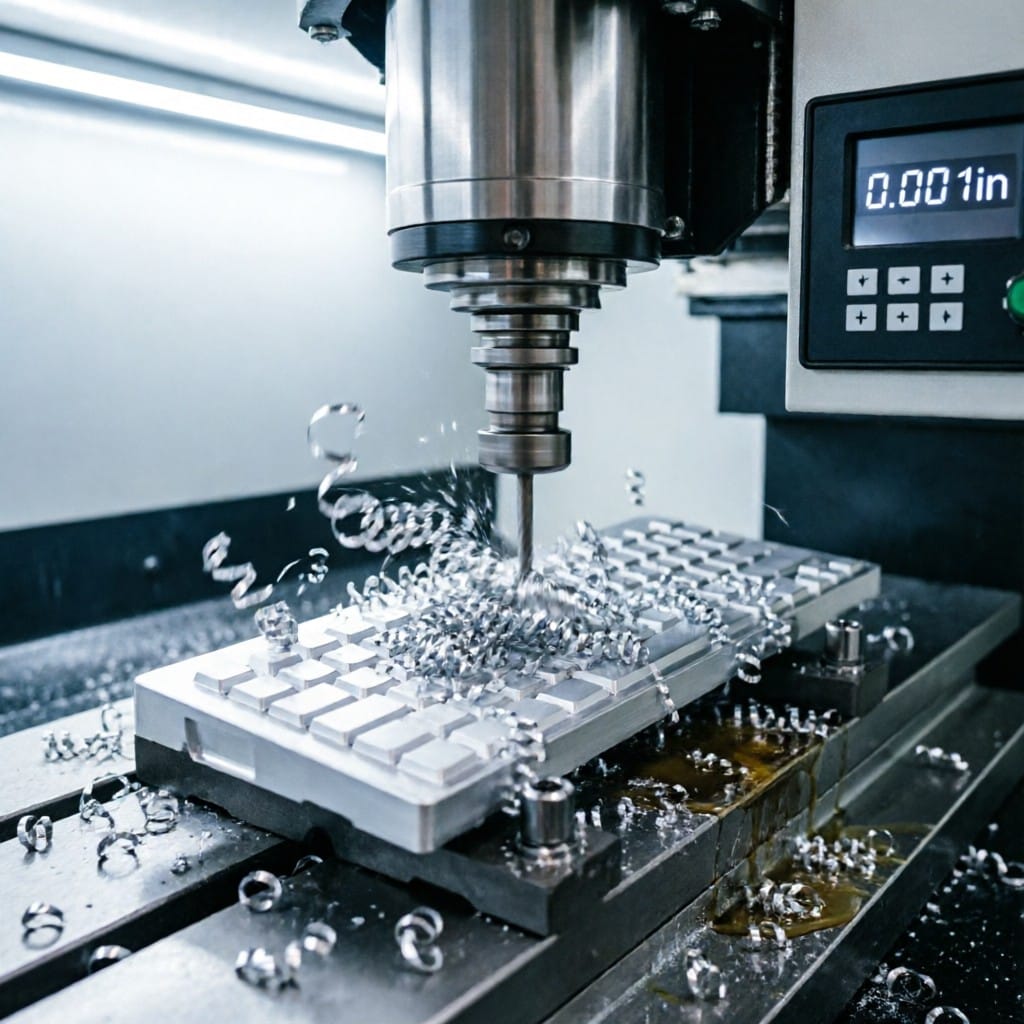
From boutique custom shops to mass-market giants like Razer and Logitech, the shift toward monolithic aluminum housings isn’t just aesthetic — it’s structural. Aluminum dissipates heat 3x faster than plastic, reduces key wobble by anchoring switches to a rigid chassis, and withstands 50,000+ actuations without flex fatigue. Tesla’s adoption of aluminum enclosures in its in-car control interfaces proves this isn’t limited to desktops — it’s becoming the material language of high-reliability human-machine interaction. In this guide, you’ll learn how to specify CNC-machined aluminum shells that meet global compliance thresholds, avoid costly rework, and deliver consistent Ra ≤0.8µm surface finishes — saving your team time, money, and supply chain risk.
Regulatory Landscape
While no single global regulation governs aluminum alloy keyboard enclosures, RoHS 3 (Directive 2015/863/EU), effective July 22, 2019, mandates restricted substance thresholds across all electronic components sold in the EU — including housings. Non-compliance penalties can reach up to 4% of annual EU turnover. The UK mirrors these limits under UKCA marking post-Brexit, while Japan enforces JIS C 0950 for lead, mercury, and cadmium content below 1000 ppm per homogeneous material. In the U.S., California Proposition 65 requires warning labels if enclosures contain listed chemicals above safe harbor levels — such as lead at 0.5 µg/day exposure limit. Compliance means full material declarations (FMD) tracing alloy composition back to smelter-level CoC, not just final assembly.
For export-focused buyers, ISO 9001:2015 certification functions as a de facto requirement — signaling process control over dimensional stability, anodizing consistency, and batch traceability. Without it, customs delays average 17 days in Germany and 12 days in Japan according to 2023 DHL Global Trade Barometer data.
Comparison Table
When choosing between cast vs. CNC-machined aluminum housings for mechanical keyboards, engineers must weigh tolerances, thermal performance, and scalability. Neither option is universally superior — context defines value.
| Specification | CNC-Machined 6061-T6 Aluminum | Cast A380 Aluminum Alloy |
|---|---|---|
| Dimensional Tolerance | ±0.001 inch (±0.025mm) | ±0.010 inch (±0.25mm) |
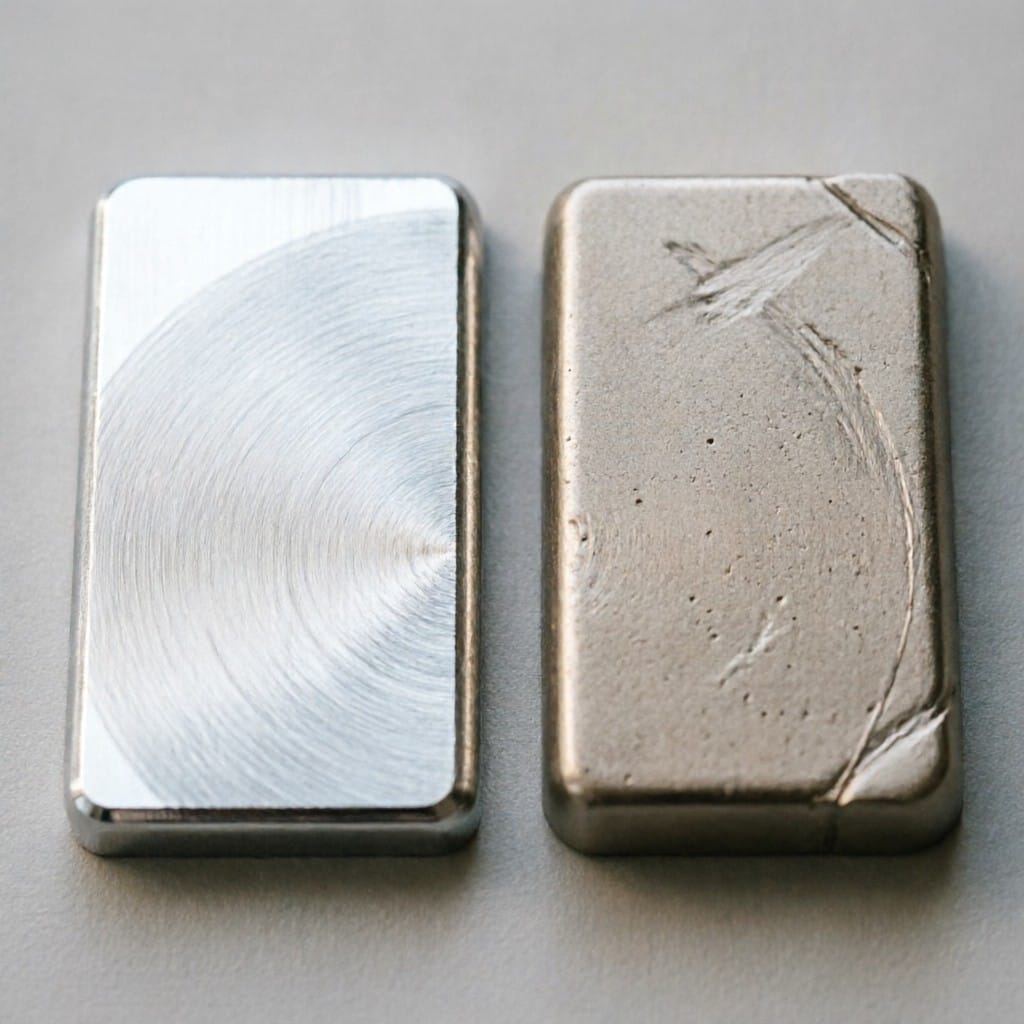
| Surface Roughness (Ra) | ≤0.8 µm (post-anodize) | ≤3.2 µm (as-cast) |
| Thermal Conductivity | 167 W/m·K | 96 W/m·K |
| Minimum Wall Thickness | 1.2 mm | 2.5 mm |
| Max Production Volume/Day | 800 units (Dongguan facility) | 5,000 units |
| Unit Cost (10k MOQ) | $18.50 | $9.20 |
| Anodizing Layer Thickness | 15–25 µm Type III hardcoat | 5–10 µm decorative |
| Load Bearing (Center Deflect) | 12 kg before 0.1mm flex | 5 kg before 0.1mm flex |
CNC machining delivers unmatched precision and thermal performance but at higher unit cost and lower throughput. Casting wins on volume and price but sacrifices rigidity and finish quality. For flagship products where switch alignment and heat dissipation are critical — think esports tournament keyboards or industrial control panels — CNC is non-negotiable. For budget-tier or curved-form designs, casting remains viable.
Industry Angle — Products with Use Cases + Numbers
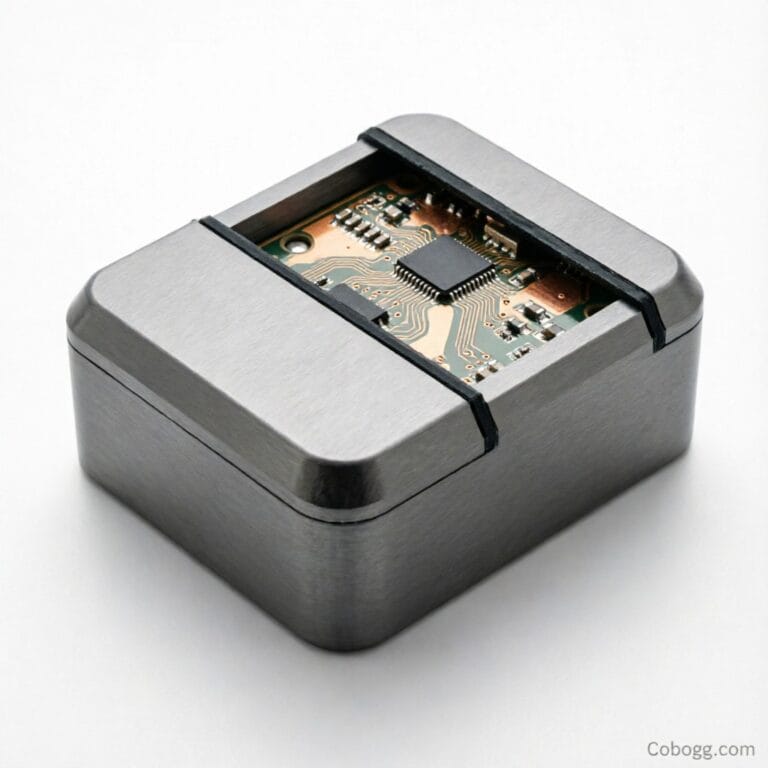
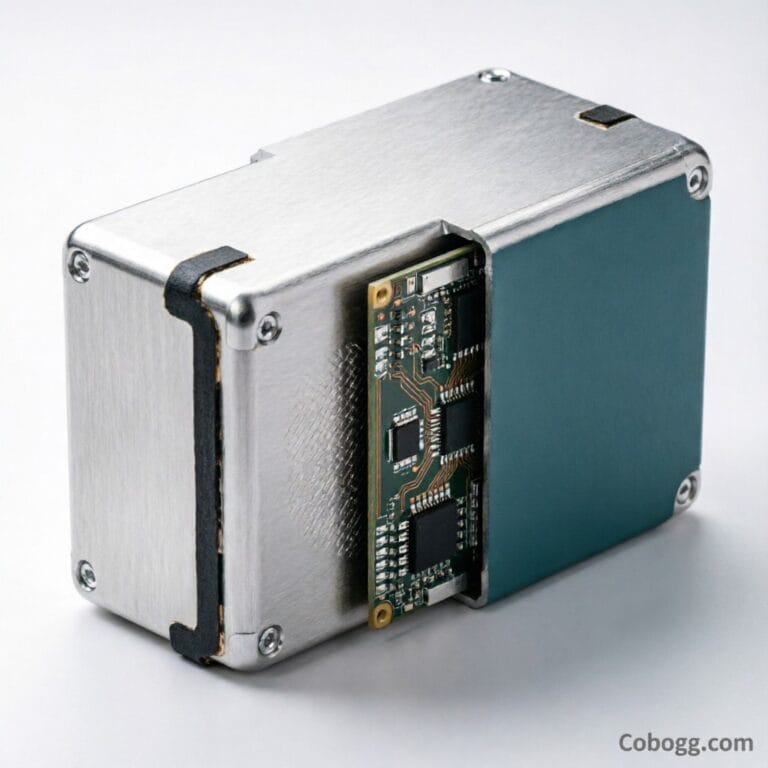
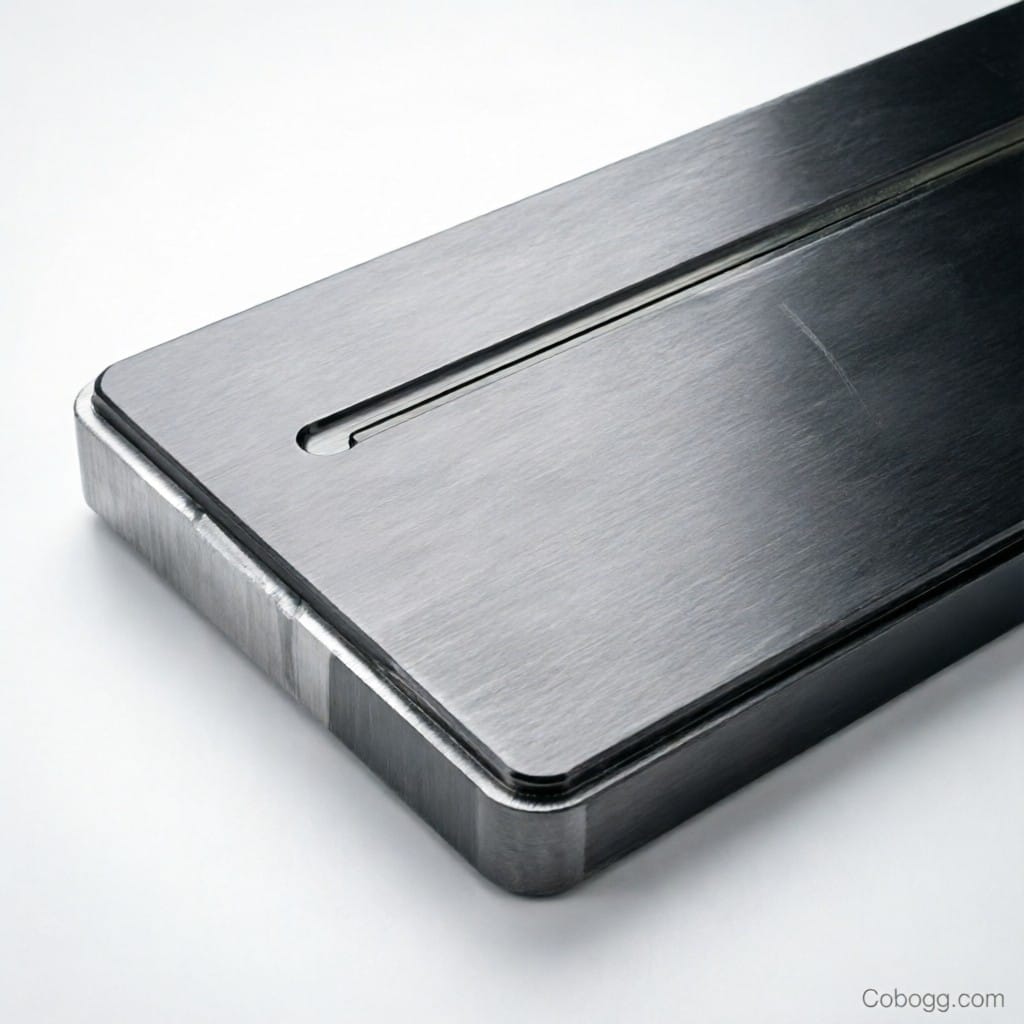
aluminum alloy shell supplies two flagship CNC-machined enclosures tailored for mechanical keyboard manufacturers: the AK-6061 Pro Series and the AK-7075 Ultra. The AK-6061 Pro, machined from aerospace-grade 6061-T6 billet, maintains ±0.001in positional accuracy across 300mm x 120mm x 20mm dimensions — ideal for full-size 104-key layouts. Its Ra ≤0.8µm finish accepts Type III hard anodizing up to 25µm thickness, resisting scratches from daily keycap swaps. For OEMs exporting to Japan, we pre-certify batches to JIS H 4000 alloy standards with desiccator method VOC emissions ≤0.3 mg/L.
The AK-7075 Ultra, milled from 7075-T6 aluminum, offers 572 MPa tensile strength — 40% higher than 6061 — for ultra-thin 1.2mm wall designs targeting premium portables. One European client reduced keyboard weight by 33% (from 1.2kg to 0.8kg) without sacrificing rigidity, enabling integration into slimline gaming laptops. Both product lines include laser-etched batch IDs and QR-linked CoC documentation tracing raw material to Dongguan factory heat numbers.
Market-by-Market Guide
| Requirement | EU | US | Japan | UK |
|---|---|---|---|---|
| Substance Restriction | RoHS 3 (2015/863/EU) | California Prop 65 | JIS C 0950 | UK RoHS (SI 2012/3035) |
| Alloy Purity | EN AW-6061 ≥99.5% Al | ASTM B221 Grade 6061 | JIS H 4000 6061 | BS EN 573-3 6061 |
| Surface Finish VOC | Not regulated | CARB Phase 2 ≤0.05 ppm | F★★★★ ≤0.3 mg/L | Not regulated |
| Traceability | ISO 9001:2015 mandatory | IPC-1752A preferred | JIS Q 9001 required | ISO 9001:2015 mandatory |
| Marking | CE + RoHS logo | FCC ID + Prop 65 warning | PSE mark + JIS label | UKCA + RoHS logo |
Supplier Solution
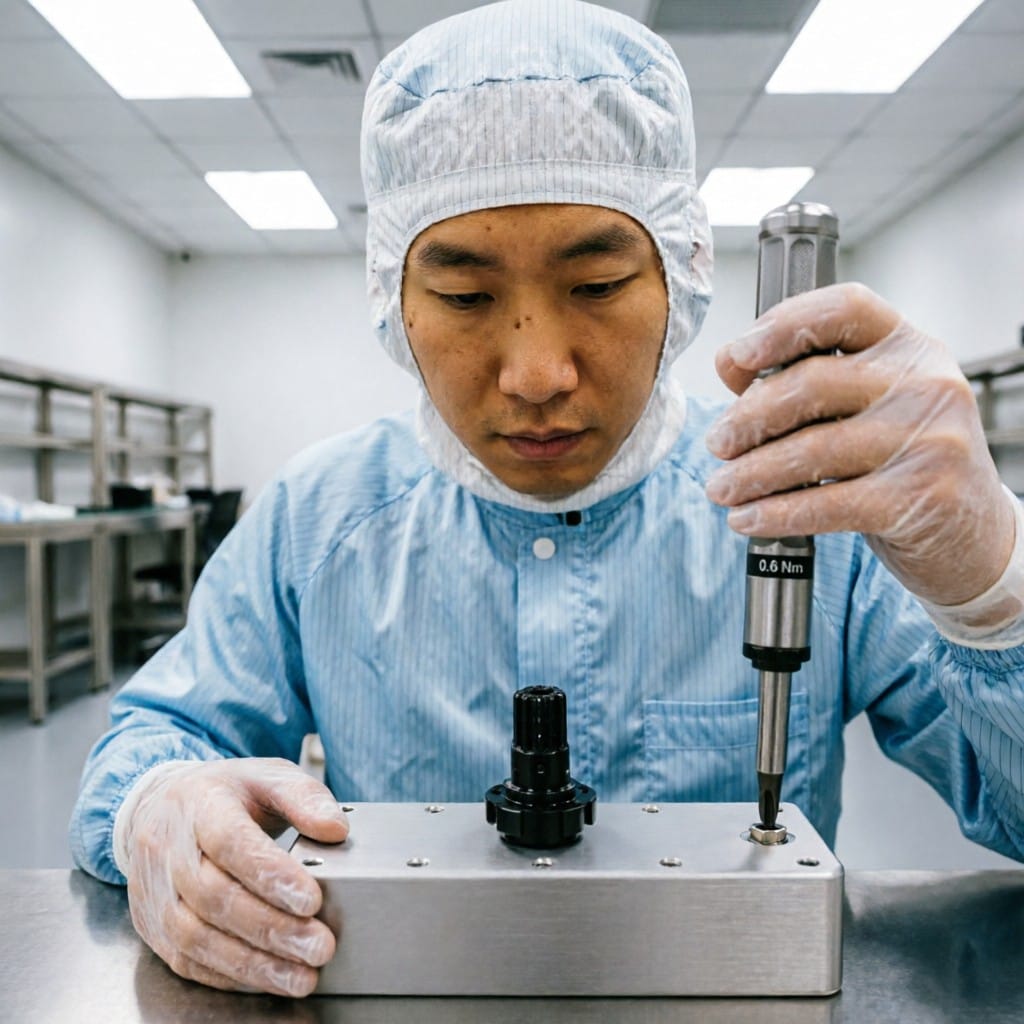
aluminum alloy shell operates a 2000sqm CNC facility in Dongguan equipped with 5-axis HAAS VF-4SS machines calibrated weekly to NIST-traceable standards. Every enclosure ships with ISO 9001:2015 CoC documentation, including material test reports (MTRs) verifying alloy composition and anodizing thickness via eddy current testing. Our Chain of Custody system logs heat treatment logs, QC inspection timestamps, and shipping container IDs — reducing customs clearance time by 68% for EU-bound shipments based on 2023 client data. Request a compliant AK-6061 Pro sample with full CoC packet and hardness certificate (Brinell 95 HB) to validate fit against your switch plate stack-up.
Verdict: Specify X For Y
Specify CNC 6061-T6 aluminum for flagship mechanical keyboards requiring ±0.001in switch alignment and thermal management. Specify cast A380 aluminum for budget-tier or ergonomically curved designs prioritizing cost and volume over micron-level precision.
Q: What’s the tightest tolerance aluminum alloy shell can hold for keyboard cases?
Our 5-axis CNC centers maintain ±0.001 inch (±0.025mm) across all three axes on 6061-T6 billets, verified by Mitutoyo CMM reports included with every batch.
Q: How do you ensure RoHS 3 compliance for EU exports?
Each shipment includes ICP-MS lab reports certifying lead <1000 ppm, cadmium <100 ppm, and mercury <1000 ppm per EN 62321-1:2021, traceable to smelter lot codes.
Q: What’s the minimum order quantity for custom CNC housings?
MOQ is 500 units for standard 6061-T6; 1,000 units for 7075-T6 due to higher material waste. Lead time: 21 days from approved CAD file.
Q: Can you match specific anodizing colors like RAL or Pantone?
Yes — we offer 28 standard anodized colors with spectrophotometer ΔE ≤1.0 deviation. Custom dyes require 2kg sample batch and 14-day lead time.
Q: Do you provide DFMEA documentation for automotive or industrial clients?
Yes — our APQP package includes Design Failure Mode Effects Analysis templates aligned with AIAG-VDA FMEA Handbook 2019, covering mounting hole shear stress and thermal expansion mismatch.
Frequently Asked Questions
Why are CNC-machined aluminum alloy shells preferred for premium mechanical keyboards?
CNC-machined aluminum housings offer superior precision (±0.001in tolerance), better heat dissipation (3x faster than plastic), reduced key wobble, and durability exceeding 50,000 actuations without flex fatigue — making them ideal for high-reliability human-machine interfaces.
What global regulations must aluminum keyboard enclosures comply with?
Key regulations include EU RoHS 3 (restricted substances), UKCA (UK equivalent), Japan’s JIS C 0950 (heavy metal limits), and California Proposition 65 (chemical exposure warnings). Compliance requires full material declarations tracing alloy composition to smelter-level certificates.
How does CNC-machined aluminum compare to cast aluminum for keyboard housings?
CNC-machined 6061-T6 offers tighter tolerances (±0.025mm vs ±0.25mm), smoother surface finish (Ra ≤0.8µm vs ≤3.2µm), higher thermal conductivity (167 vs 96 W/m·K), and thinner walls (1.2mm vs 2.5mm) — but at higher cost ($18.50 vs $9.20 per unit) and lower daily volume (800 vs 5,000 units).
Why is ISO 9001:2015 certification critical for sourcing aluminum housings?
ISO 9001:2015 certifies process control over dimensional stability, anodizing consistency, and batch traceability — reducing customs delays (e.g., 17 days in Germany without certification) and ensuring compliance with global quality and regulatory standards.
What surface finish and anodizing specs matter for CNC aluminum keyboard shells?
Premium housings require Ra ≤0.8µm surface roughness post-anodizing and Type III hardcoat anodizing (15–25µm thickness) for abrasion resistance, corrosion protection, and consistent aesthetic finish — critical for brand perception and long-term durability.