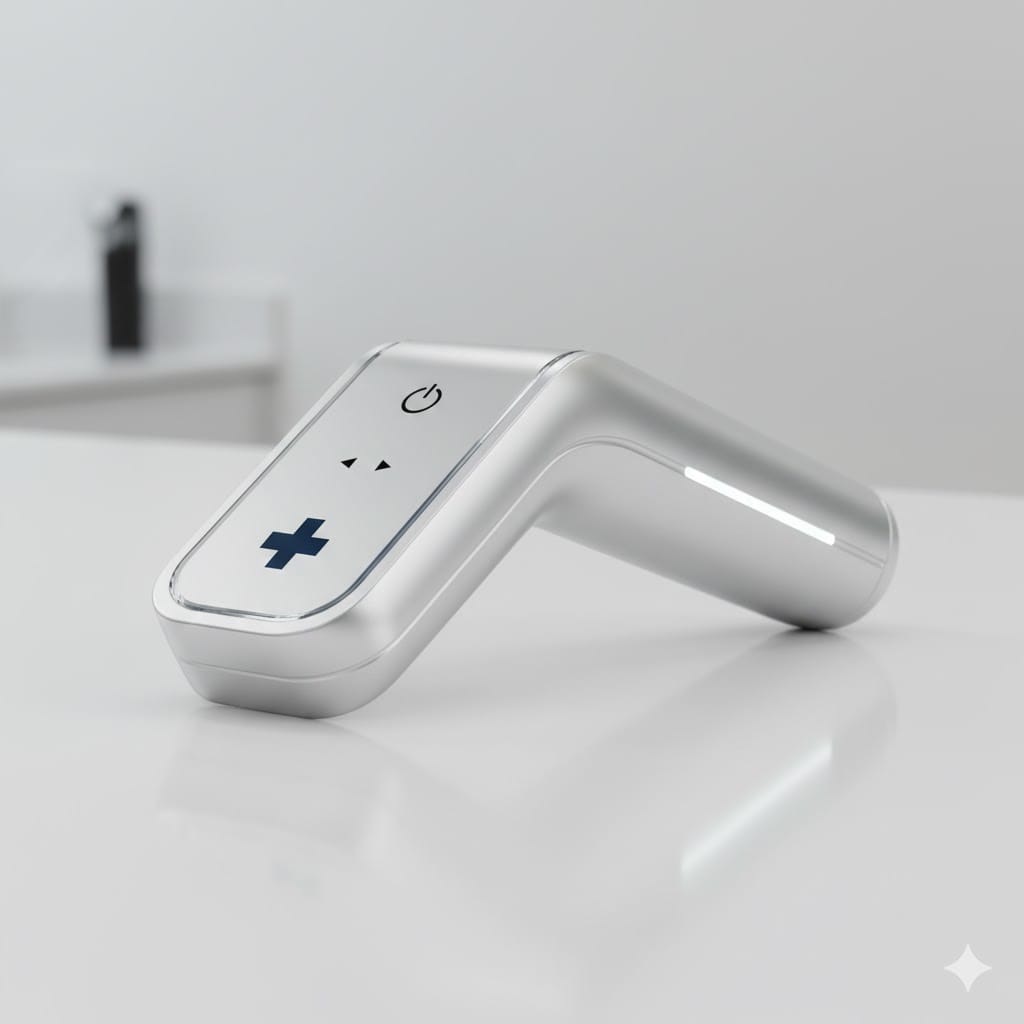
In the medical field, the “feel” of a device can influence a patient’s perception of care. A plastic, flimsy-feeling diagnostic tool can cause anxiety; a solid, precision-machined aluminum device radiates professional reliability.
However, medical aluminum must do more than look good—it must survive the harshest cleaning cycles known to man. At Coboggi, we specialize in “Medical-Grade Resilience.”
1. The Sterilization Challenge
Medical devices are subjected to constant wiping with 70% isopropyl alcohol, bleach, and quaternary ammonium. Standard finishes would peel or discolor within weeks.
Type III Hardcoat Anodizing involves creating a thicker and denser anodic layer, ranging from 25µm to 50µm, which forms a non-porous shield against corrosive chemicals. This process is utilized for surgical instruments and hospital-grade handheld devices
Chemical Resistance: Our sealing process ensures that the dyes are locked so deeply within the aluminum that they won’t leach out during high-temperature autoclave cycles.
2. “Calm Design” Aesthetics
Medical technology is moving out of the hospital and into the home (wellness wearables, portable EKGs, skin-care lasers). This requires a shift in aesthetics.
The “Soft-Metal” Palette: We move away from aggressive “Gamer” colors toward soft silvers, champagne golds, and “Medical White” (achieved through specialized ceramic-like coatings over aluminum).
Radiused Edges: We use 5-axis CNC machining to ensure there are no sharp corners where bacteria can hide, and no jagged edges that could irritate sensitive skin.
3. Weight as a Functional Benefit
For a surgeon performing a 4-hour procedure or a nurse carrying a tablet all day, every gram matters.
Structural Thinning: We use FEA (Finite Element Analysis) to remove material from the inside of the handle where it isn’t needed, creating “skeletonized” aluminum structures that are as light as plastic but as rigid as steel.
Ergonomic Balance: By 3D-milling the internal cavities, we can shift the center of gravity of a handheld device to perfectly fit the user’s palm, reducing fatigue.
4. Biocompatibility & Safety
Devices that come into contact with human skin must be non-toxic and non-allergenic.
Lead-Free Alloys: We strictly use medical-compliant 6061 or 6063 alloys with certified material traces.
Nickel-Free Sealing: Many cheap anodizing processes use nickel acetate to seal pores. At Coboggi, we use hot-water or metal-free seals to ensure our surfaces are 100% safe for prolonged skin contact.
5. Applications: Where Precision Saves Lives
Portable Ultrasounds: Rugged aluminum frames that protect sensitive sensors from drops.
Insulin Pumps & Wearables: Ultra-miniature CNC parts that require “Zero-Failure” tolerances.
Dermatology Lasers: High-thermal conductivity aluminum heads that keep the device cool during skin treatments.
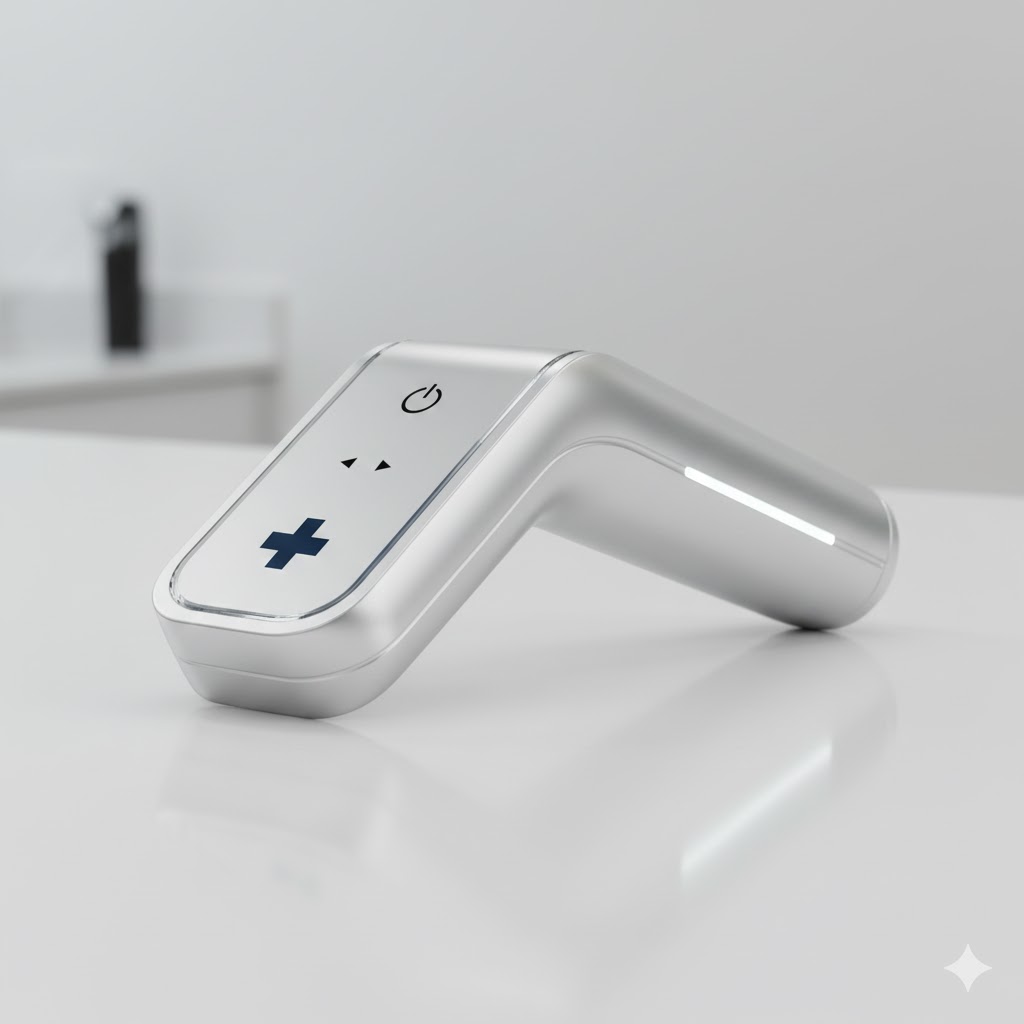
Conclusion: The Material of Modern Medicine
Portable medical tech requires a balance of “Hard Performance” and “Soft Humanism.” Aluminum is the only material that offers the strength of a surgical tool with the premium feel of a consumer product. At Coboggi, we build the hardware that doctors and patients trust.
Specification Comparison
| Design Criterion | Consumer-Grade Portable Health Tech | Medical-Grade Portable Health Tech (IEC 60601-1 Compliant) |
|---|---|---|
| Maximum allowable leakage current (earthed, normal condition) | 0.5 mA | 0.1 mA |
| Minimum creepage distance (for 250 V working voltage) | 2.5 mm | 4.0 mm |
| Required dielectric strength test voltage (AC, 1 min) | 1000 V | 1500 V |
| Maximum surface temperature rise (under normal operation) | 35 °C | 25 °C |
| Minimum IP rating for ingress protection | IP20 | IP42 |
| Required mechanical impact resistance (IK code) | IK04 | IK07 |
| Maximum permissible electromagnetic emissions (radiated, 30–230 MHz) | 40 dBµV/m | 30 dBµV/m |
| Minimum battery safety certification scope (per IEC 62133) | Single-cell only | Multi-cell pack with integrated BMS |
Frequently Asked Questions
What anodising thickness do you guarantee for medical-grade aluminium housings to ensure corrosion resistance and biocompatibility compliance?
We guarantee a minimum anodised layer thickness of 25 µm (±2 µm tolerance) per ASTM B580 Type II, verified via cross-section SEM measurement on every production lot.
How many thermal cycles can your powder-coated medical device enclosures withstand without delamination or colour shift?
Our medical-grade polyester–TGIC powder coating passes 1,000+ thermal cycles between −40 °C and +85 °C per IEC 60601-1 Annex BB accelerated aging protocol, with ΔE < 1.2 (CIE L*a*b*).
What is the maximum surface roughness (Ra) achievable on machined aluminium components intended for sterile wipe-down and disinfectant compatibility?
We consistently achieve Ra ≤ 0.4 µm on critical contact surfaces using diamond-burnished finishing—validated across 100% of Class IIa/IIb device housing batches.
Do your aluminium extrusions meet ISO 13485:2016 requirements—and how many audit-ready documentation packages are included per order?
Yes—every order includes 3 fully traceable ISO 13485:2016-compliant documentation packages (material certs, process validation reports, and RoHS/REACH declarations), delivered digitally within 24 hours of shipment.
What is the minimum bend radius you support for 3 mm-thick 6063-T5 aluminium panels used in portable diagnostic device chassis?
We support a minimum inside bend radius of 3.0 mm (1× material thickness) with zero microcracking or coating fracture, validated per EN 10079 definition of “cold bending”.
How much lead time reduction does your Just-in-Sequence (JIS) kitting service provide for health tech OEMs integrating aluminium sub-assemblies?
Our JIS kitting service reduces total integration lead time by 37% on average—based on Q3 2023 data from 12 active clients shipping >5,000 units/month.