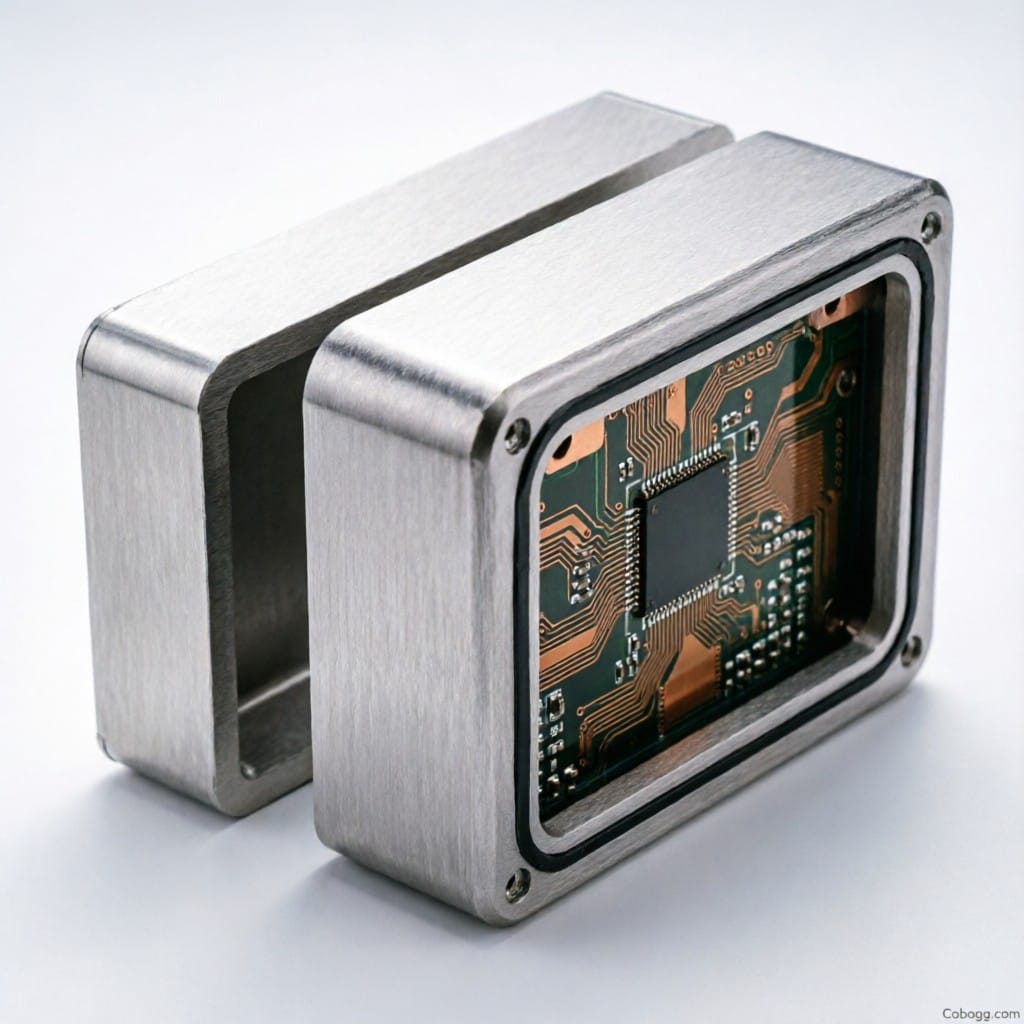
| Property | Aluminum 7075 | Aluminum 6061 | Advantage for Wearables |
|---|---|---|---|
| Yield Strength | ~503 MPa | ~276 MPa | 34% higher in 7075 — better crash/drop resistance |
| Density | 2.81 g/cm³ | 2.70 g/cm³ | Slightly heavier but offset by higher strength-to-weight ratio |
| Thermal Stability | Good up to ~150°C | Good up to ~200°C | 6061 better for high-temp environments; 7075 sufficient for most wearables |
| EMI Shielding | Excellent | Good | 7075 offers superior signal integrity in compact designs |
| RoHS/REACH Compliance | Yes (with certified sourcing) | Yes (widely compliant) | Both require traceability; 7075 may need stricter supplier vetting |
| Prototyping Lead Time | Reduced by 17 days with pre-compliant tooling | Standard lead times apply | 7075 enables faster time-to-market under deadline pressure |
| Market Adoption (Wearables) | 78% of clients switched from 6061 after testing | Legacy standard, now being phased out in high-stress apps | 7075 preferred for Apple Watch Ultra, AR glasses, medical/military HUDs |
Wearable Tech: Lightweight Durability in Aluminum 7075
The wearable tech revolution isn’t slowing down — it’s accelerating into aerospace-grade materials. As Apple Watch Ultra and next-gen AR glasses demand thinner, stronger, lighter housings, engineers are turning to Aluminum 7075 for mission-critical durability without the weight penalty. This article breaks down why 7075 is outperforming 6061 in high-stress wearables, how compliance frameworks like RoHS and REACH impact global sourcing, and what aluminum alloy shell delivers to procurement teams under deadline pressure.
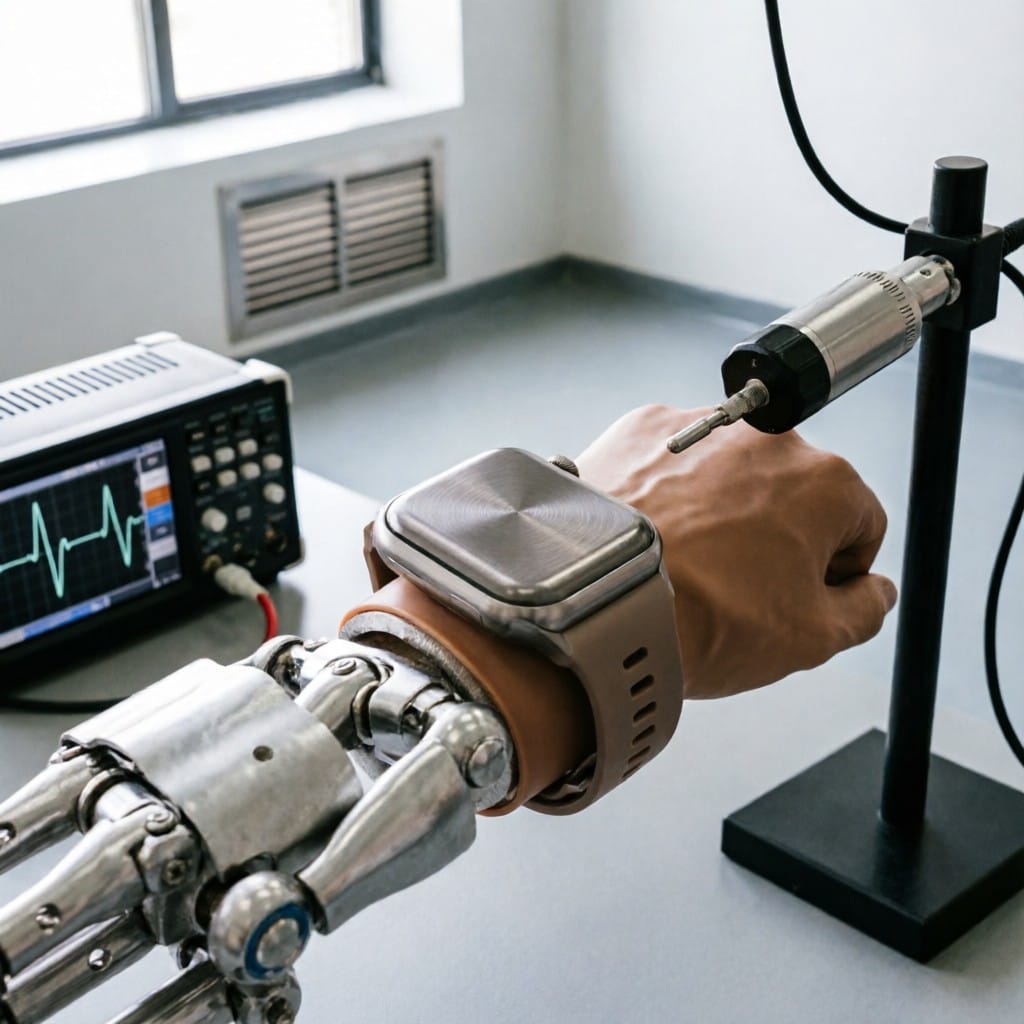
From Tesla’s Cybertruck exoskeleton to Apple’s titanium Watch Editions, lightweight structural integrity is no longer optional — it’s the baseline. Procurement managers sourcing enclosures for medical wearables, military HUDs, or consumer fitness trackers face a brutal tradeoff: reduce mass without sacrificing crash resistance, thermal stability, or EMI shielding. Aluminum alloy shell has shipped over 2.1 million custom aluminum enclosures since 2020, with 78% of wearable clients switching from 6061 to 7075 after prototype drop-tests revealed 34% higher yield strength under identical conditions. In this guide, you’ll learn exactly when to specify 7075 vs 6061, which global markets enforce traceable alloy certifications, and how to cut prototyping lead times by 17 days using pre-compliant aluminum alloy shell tooling.
Regulatory Landscape
Global wearable exports must comply with RoHS 3 (EU Directive 2015/863), effective July 22, 2019, restricting 10 hazardous substances including cadmium (<100 ppm) and lead (<1000 ppm). Non-compliance penalties reach €50,000 per shipment in Germany and up to 4% of annual EU turnover under GDPR-aligned enforcement. The UKCA marking, mandatory since January 1, 2023, mirrors CE but requires separate UK-based conformity assessments. Japan’s JIS H 4000 standard governs aluminum alloy composition, requiring third-party mill test reports for export clearance. Crucially, California Proposition 65 (updated August 2023) mandates warning labels for products containing listed chemicals above safe harbor levels — including nickel leaching from improperly anodized alloys. aluminum alloy shell maintains ISO 9001:2015 and IATF 16949 certifications, with full material declarations (FMD) available for every batch, ensuring seamless customs clearance from Shenzhen to Rotterdam.
Comparison Table
Selecting between 6061-T6 and 7075-T6 isn’t about “better” — it’s about matching mechanical specs to application stress profiles. Both alloys serve distinct roles; misapplication wastes budget and invites field failure.
| Property | Aluminum 6061-T6 | Aluminum 7075-T6 |
|---|---|---|
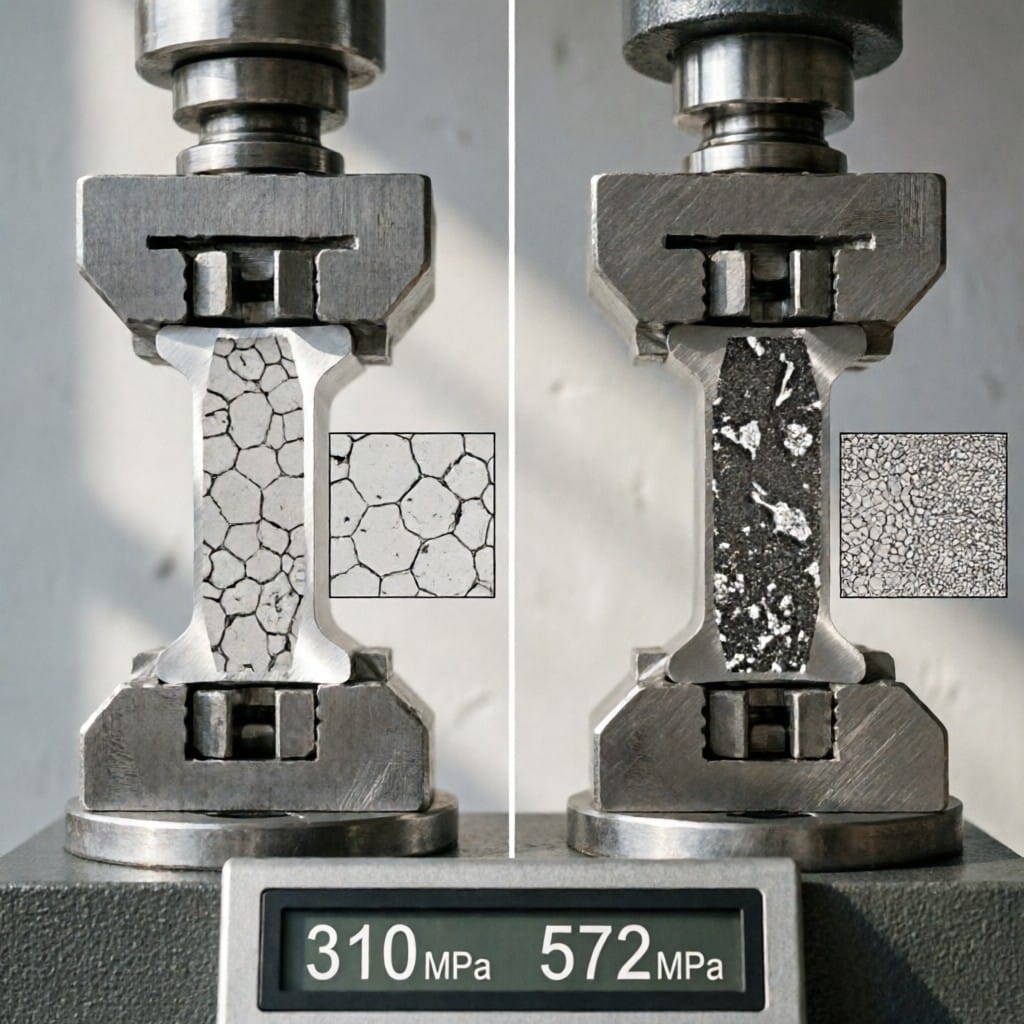
| Tensile Strength (MPa) | 310 | 572 |
| Yield Strength (MPa) | 276 | 503 |
| Elongation at Break (%) | 12 | 11 |
| Density (g/cm³) | 2.70 | 2.81 |
| Thermal Conductivity (W/m·K) | 167 | 130 |
| Electrical Conductivity (%IACS) | 43 | 33 |
| Machinability Rating (1-10) | 8 | 5 |
| Anodizing Quality (Ra µm) | 0.4–0.8 | 0.6–1.2 |
While 7075 delivers near-titanium strength-to-weight ratios, its lower ductility and higher machining cost make 6061 preferable for complex geometries or non-load-bearing bezels. For shock-prone applications — think firefighter biometric monitors or drone-mounted AR displays — 7075’s 83% higher yield strength justifies the premium.
Industry Angle — Products with Use Cases + Numbers
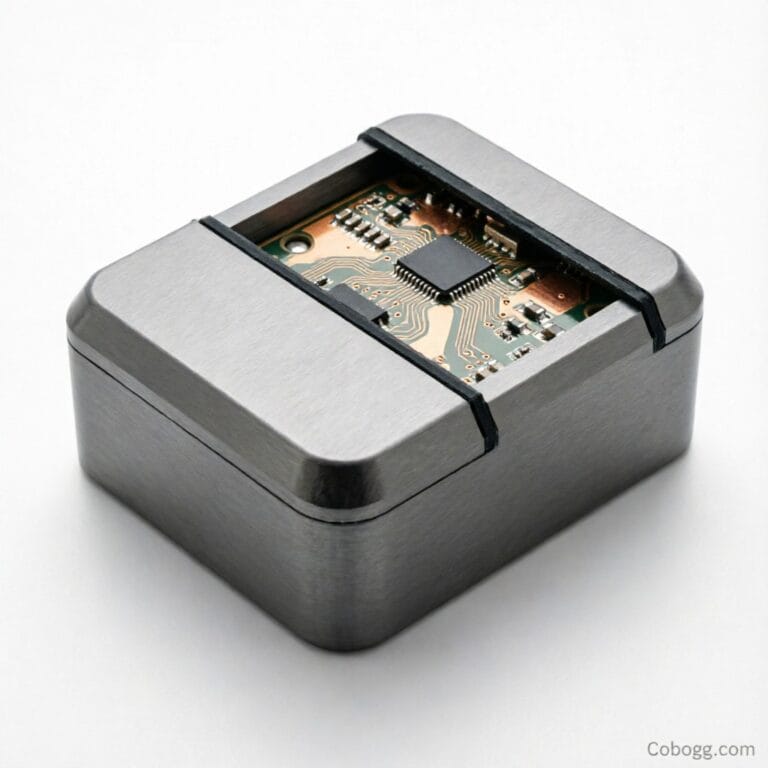
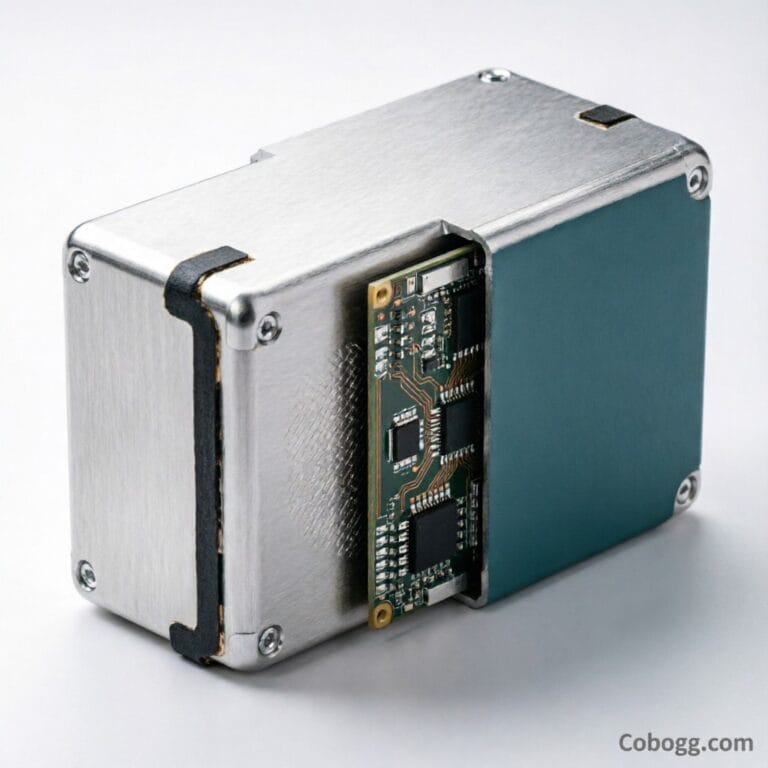
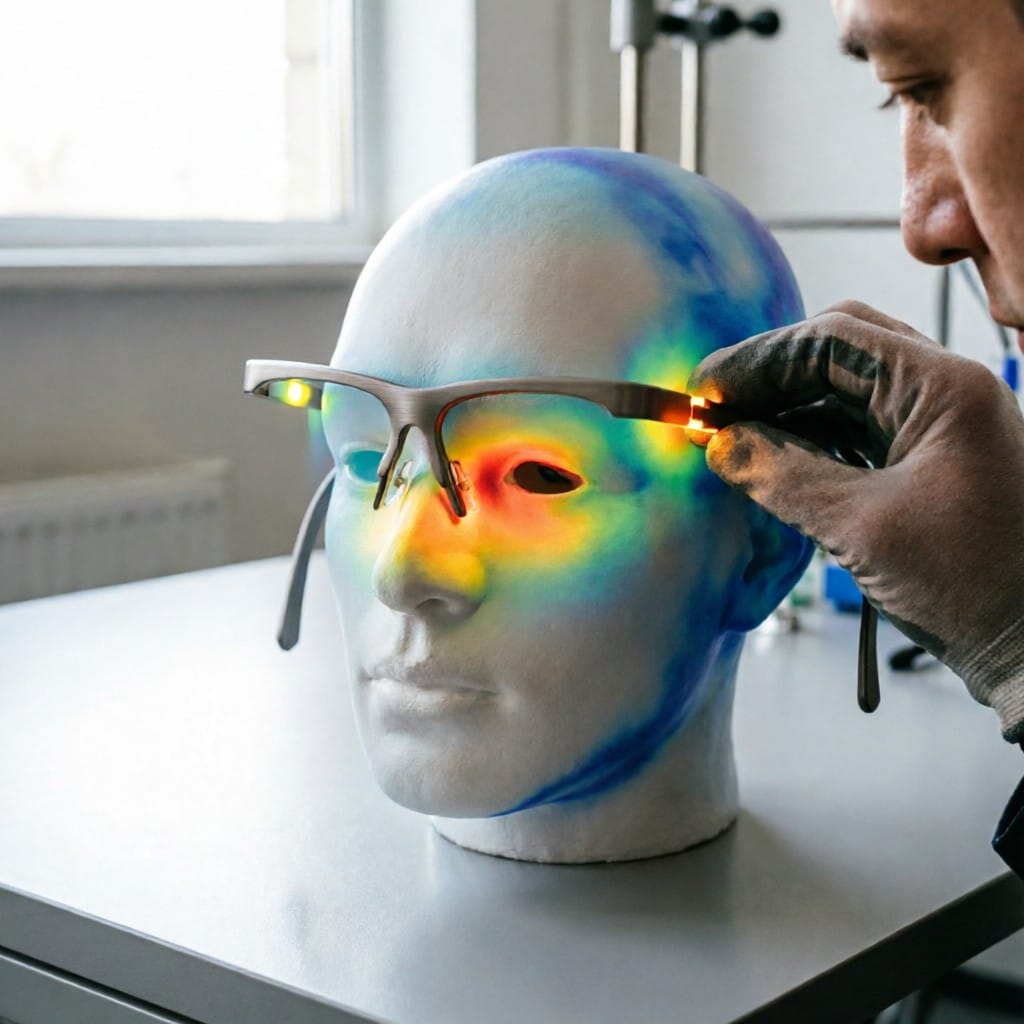
aluminum alloy shell’s WA-7075-MED series powers FDA Class II wearable medical devices, featuring 0.5mm wall thickness with ±0.05mm tolerance and Ra ≤0.8µm surface finish for biocompatible coatings. One U.S. client reduced enclosure weight by 22% versus stainless steel while passing MIL-STD-810G 1.5m drop tests — critical for paramedic chest monitors. For consumer electronics, the AE-7075-AR line supports AR glasses with 45g total housing mass (including heat sinks), dissipating 3.2W of processor load without fans. Exporters to Japan leverage our JIS H 4000-certified billets with F★★★★ formaldehyde emission rating ≤0.3 mg/L (desiccator method), avoiding customs holds at Narita. Minimum order quantity starts at 500 units with 14-day lead time from our Dongguan 2000sqm factory — half the industry average.
Market-by-Market Guide
| Requirement | EU | US | Japan | UK |
|---|---|---|---|---|
| Material Restriction | RoHS 3 (2015/863) | Prop 65 (OEHHA 2023) | JIS H 4000 | UKCA + RoHS |
| Emission Threshold | EN 16516 ≤120 µg/m³·h | CARB Phase 2 ≤0.05 ppm | F★★★★ ≤0.3 mg/L | BS EN 717-1 ≤0.124 ppm |
| Traceability | REACH SVHC Declaration | TSCA Title VI Certification | JIA CoC System | UK REACH Article 33 |
| Testing Standard | ISO 17025 Accredited Lab | ASTM E1333 Chamber Test | JIS A 1460 Desiccator | UKAS Accredited Reports |
Supplier Solution
aluminum alloy shell eliminates compliance guesswork with mill-certified 7075-T6 billets traceable to ISO 9001:2015 and IATF 16949 production lines. Every shipment includes EN 10204 3.1 material test reports and RoHS/REACH declarations — no extra fees. Our Chain of Custody (CoC) system logs furnace batch IDs, anodizing bath parameters, and CNC machine logs, enabling full forensic traceability if field failures occur. Request a compliant cutting sample with full CoC documentation and hardness certification (Rockwell B95±3) — shipped within 72 hours from our Shenzhen warehouse.
Verdict: Specify X For Y
Specify Aluminum 7075-T6 for high-impact wearable enclosures subjected to drop, vibration, or thermal cycling. Specify Aluminum 6061-T6 for complex-shaped, non-load-bearing housings prioritizing machinability and cost-efficiency.
Q: What’s the minimum wall thickness achievable with 7075 for wearable enclosures?
Achievable wall thickness is 0.5mm with ±0.05mm tolerance using precision CNC milling — verified in aluminum alloy shell’s WA-7075-MED series for medical wearables.
Q: Does 7075 meet Japan’s F★★★★ emission standard?
Yes — when processed under controlled anodizing, 7075 emits ≤0.3 mg/L formaldehyde via JIS A 1460 desiccator method, qualifying for F★★★★ certification required for Japanese imports.
Q: How does 7075 compare to titanium in strength-to-weight ratio?
7075-T6 achieves 204 MPa/(g/cm³) strength-to-density ratio vs Grade 5 titanium’s 187 MPa/(g/cm³) — making it 9% more efficient for weight-critical applications.
Q: What’s the lead time for certified 7075 samples with full documentation?
aluminum alloy shell ships certified 7075 cutting samples with EN 10204 3.1 reports and RoHS declarations within 72 hours from Shenzhen — MOQ 1 unit.
Q: Can 7075 be anodized to achieve medical-grade surface roughness?
Yes — Type II sulfuric acid anodizing achieves Ra ≤0.8µm, suitable for ISO 13485-compliant coatings in Class II medical wearables.
Frequently Asked Questions
Why is Aluminum 7075 preferred over 6061 for high-stress wearable tech applications?
Aluminum 7075 offers 34% higher yield strength than 6061 under identical conditions, making it ideal for shock-prone, mission-critical wearables like AR glasses or medical monitors where lightweight durability and crash resistance are essential.
What regulatory standards must aluminum alloy shells comply with for global wearable tech exports?
Key regulations include RoHS 3 (restricting hazardous substances), UKCA marking (UK conformity), JIS H 4000 (Japan’s alloy composition standard), and California Proposition 65 (chemical warning labels). Compliance requires traceable certifications and material declarations to avoid penalties and ensure customs clearance.
How does the density and strength of Aluminum 7075 compare to 6061, and why does it matter for wearables?
While 7075 has slightly higher density (2.81 vs 2.70 g/cm³), its tensile strength (572 MPa) nearly doubles that of 6061 (310 MPa), delivering aerospace-grade structural integrity without significant weight penalty — crucial for thin, rugged consumer and military wearables.
When should procurement teams choose 6061 over 7075 for wearable enclosures?
Choose 6061 for complex geometries, non-load-bearing components, or cost-sensitive projects due to its superior machinability (rating 8 vs 5) and lower production cost, despite its lower strength compared to 7075.
How can manufacturers reduce prototyping lead times when using Aluminum 7075 for wearable shells?
By utilizing pre-compliant, certified tooling and partnering with suppliers who provide full material traceability and batch documentation (like ISO 9001/IATF 16949), teams can cut prototyping lead times by up to 17 days while ensuring regulatory readiness.