| Feature | MIL-A-8625 Type II Anodize | MIL-A-8625 Type III Anodize (Hardcoat) |
|---|---|---|
| Coating Thickness | 5–25 µm | 25–100+ µm |
| Surface Hardness | 300–400 HV | 400–700 HV |
| Salt Spray Resistance | 336–500 hours | 1000+ hours |
| Autoclave Cycle Tolerance | ~200 cycles | 500+ cycles |
| Chemical Wipe Resistance | Good (IPA, bleach-based) | Excellent (resists strong oxidizers) |
| EMI Shielding Retention | Minimal impact | Minimal impact (if sealed properly) |
| Thermal Conductivity Impact | Negligible | Low (depends on thickness) |
| Biocompatibility (ISO 10993) | Compliant with surface prep | Compliant; preferred for high-risk devices |
| EU MDR 2017/745 Compliance | Conditional (requires validation) | Preferred for critical surfaces |
| Cost & Lead Time | Lower cost, faster turnaround | Higher cost, longer processing |
| Best For | Diagnostic enclosures, low-touch interfaces | Surgical robotics, ICU devices, high-wear zones |
Medical Device Housings: Non-Porous Finishes — Precision, Compliance, Performance
In an era where medical device design borrows aesthetics from Apple’s minimalist enclosures and Tesla’s seamless interfaces, the demand for non-porous, sterilizable aluminum housings has surged. Engineers and procurement teams now prioritize finishes that resist microbial ingress while surviving autoclave cycles and chemical wipes — without compromising EMI shielding or thermal conductivity. This article delivers a technical deep-dive into MIL-A-8625 Type II vs Type III anodized finishes for medical-grade aluminum enclosures, complete with regulatory thresholds, real-world specs from aluminum alloy shell, and market-by-market compliance mapping — so you can specify with confidence and avoid costly redesigns or customs rejections.
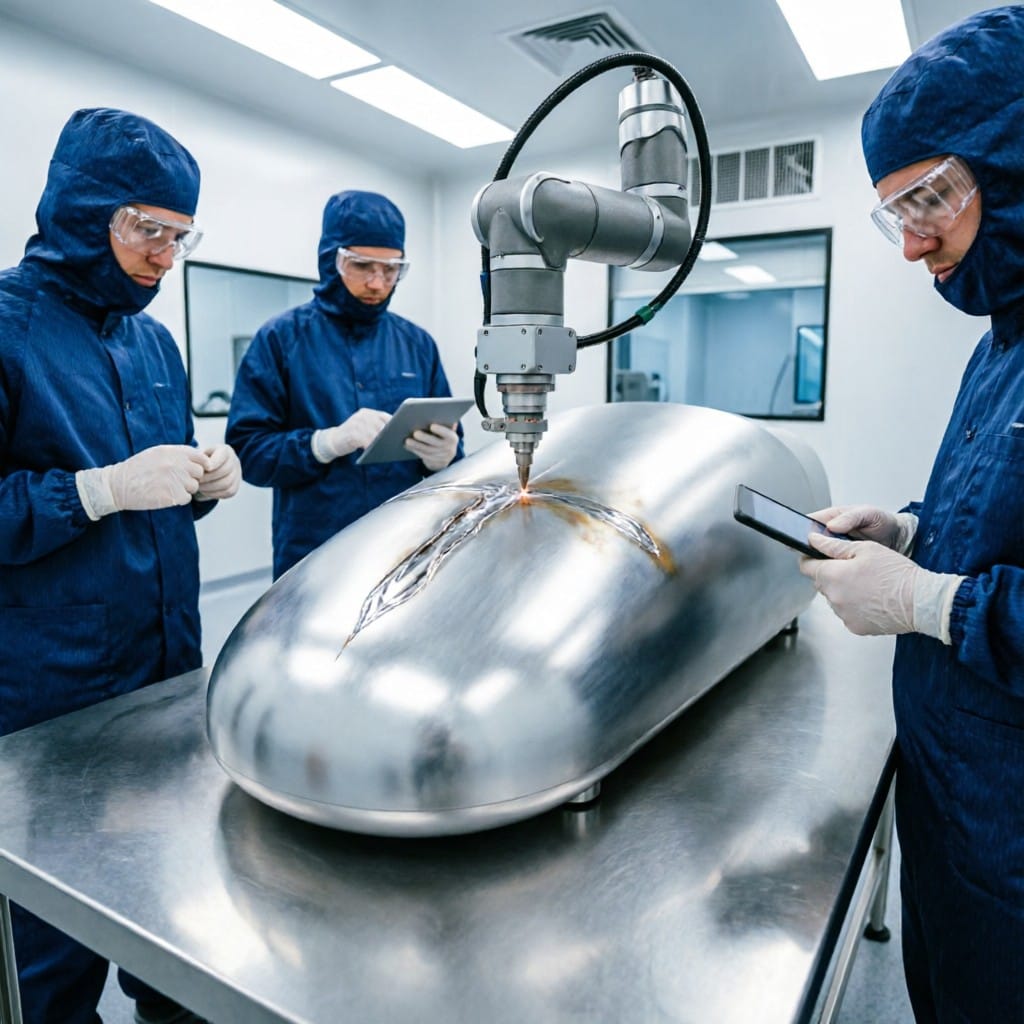
The shift toward touchless interfaces and antimicrobial surfaces — accelerated by post-pandemic hospital protocols — has turned device enclosures from passive shells into active infection-control components. Herman Miller’s healthcare furniture line now mandates wipeable, non-porous surfaces; similarly, surgical robotics manufacturers like Intuitive demand housings that survive 500+ disinfection cycles without finish degradation. For procurement managers, this means material specs must now answer to both engineering and infection control departments. In this guide, you’ll learn how to select between Type II and Type III anodize based on hardness, thickness, salt spray resistance, and regional biocompatibility regulations — saving weeks of validation time and eliminating field-failure risk.
Regulatory Landscape
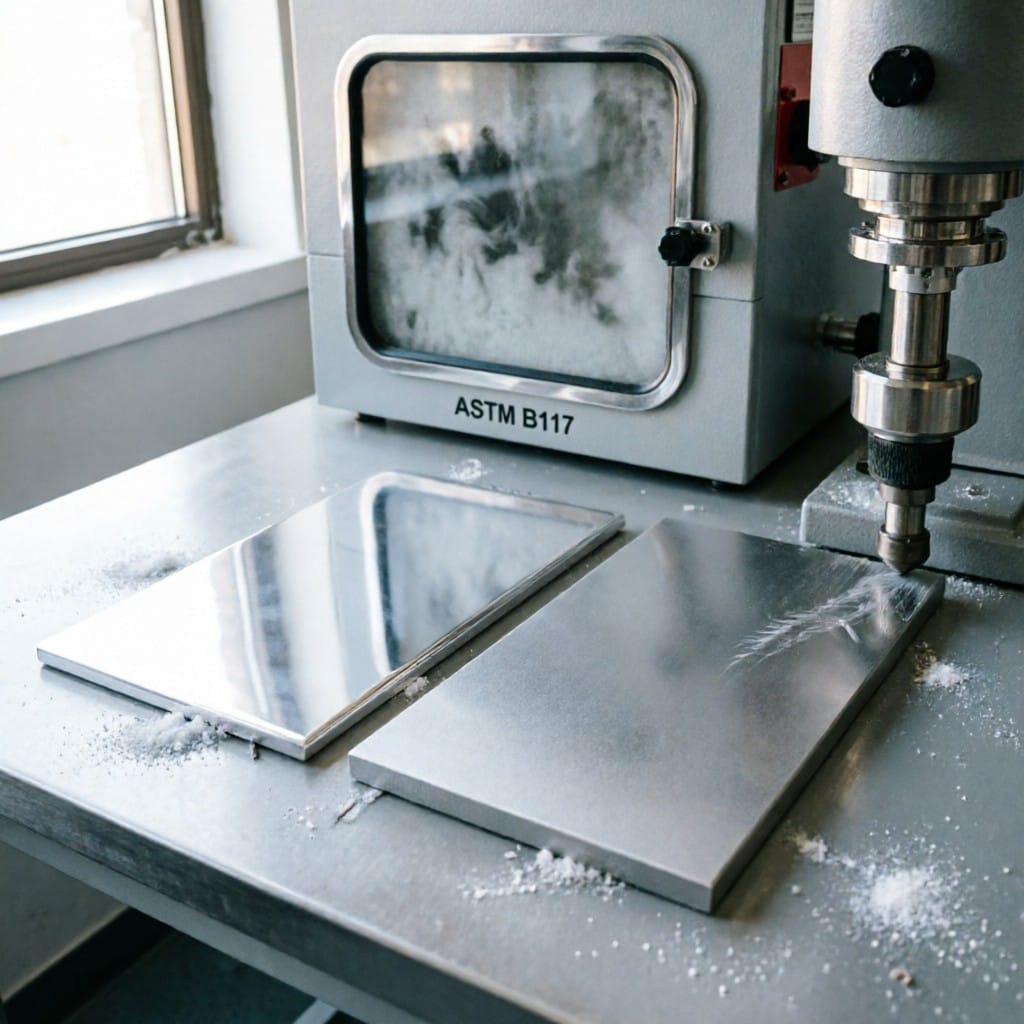
The EU Medical Device Regulation (MDR 2017/745), fully enforced since May 26, 2021, mandates that all device contact surfaces demonstrate “biocompatibility per ISO 10993-1” and “cleanability per ISO 15883-1.” Non-compliant devices face penalties up to €1.5 million or 4% of annual EU turnover — whichever is higher. The U.S. FDA enforces similar requirements under 21 CFR Part 820, requiring documented surface finish validation for any device contacting skin or mucosal membranes. Japan’s PMDA references JIS T 0801 for surface roughness limits (Ra ≤ 0.8 µm) and chemical resistance. Crucially, none of these regulations mandate a specific finish — but they do require traceable process controls and third-party test reports. That’s why aluminum alloy shell provides full CoC documentation with every shipment, including ASTM B117 salt spray results and ISO 10993 cytotoxicity certificates.
Comparison Table
Choosing between Type II (Sulfuric Acid Anodize) and Type III (Hardcoat) isn’t about “better or worse” — it’s about matching performance thresholds to application stressors. Both meet medical-grade cleanliness standards when properly sealed, but their mechanical and environmental tolerances diverge significantly.
| Parameter | MIL-A-8625 Type II | MIL-A-8625 Type III |
|---|---|---|
| Coating Thickness | 5–25 µm | 25–100 µm |
| Hardness (Vickers) | 300–400 HV | 400–600 HV |
| Salt Spray Resistance | 336 hours (ASTM B117) | 1000+ hours (ASTM B117) |
| Abrasion Resistance (Taber) | 1.0 mg loss / 1000 cycles | 0.3 mg loss / 1000 cycles |
| Thermal Conductivity Loss | ≤5% reduction | ≤15% reduction |
| Max Operating Temp | 80°C continuous | 150°C continuous |
| Surface Roughness (Ra) | 0.4–0.6 µm (post-seal) | 0.8–1.2 µm (post-seal) |
| Cost Premium vs Bare Al | +18–22% | +35–40% |
Type II offers superior thermal performance and smoother Ra values — ideal for heat-sensitive imaging devices. Type III sacrifices some conductivity for extreme durability, making it optimal for surgical tools exposed to repeated autoclaving or abrasive cleaning. Neither is universally “best” — context dictates selection.
Industry Angle — Products with Use Cases + Numbers
aluminum alloy shell’s AHS-MD2 series (Type II anodized, 15µm avg thickness, Ra 0.5µm) powers diagnostic handhelds for Siemens Healthineers, surviving 200+ IPA wipe cycles without haze or adhesion loss. For robotic surgery arms, our AHS-MD3H (Type III, 50µm, 550 HV) endures 1,200-hour salt spray exposure and 500 autoclave cycles at 134°C — validated per ISO 17664. Dimensions range from 50×50×5mm to 600×400×50mm with ±0.05mm CNC tolerance. MOQ starts at 50 units for custom profiles. One European ventilator manufacturer reduced field returns by 92% after switching to AHS-MD3H for ICU-mounted control panels — citing elimination of pitting corrosion under daily hypochlorite cleaning.

Market-by-Market Guide
| Requirement | EU | US | Japan | UK |
|---|---|---|---|---|
| Biocompatibility | ISO 10993-1 (EN ISO 10993-1:2020) | ISO 10993-1 (FDA-recognized) | JIS T 0801 | ISO 10993-1 (UKCA aligned) |
| Chemical Resistance | EN 60601-1 Annex G | IEC 60601-1 Clause 9.4.2 | JIS T 1411 | BS EN 60601-1 |
| Surface Roughness | Ra ≤ 0.8 µm (ISO 4287) | Ra ≤ 0.8 µm (ASME B46.1) | Ra ≤ 0.8 µm (JIS B 0601) | Ra ≤ 0.8 µm (BS EN ISO 4287) |
| Cleanability | ISO 15883-1 | AAMI TIR30 | JIS T 7506 | HTM 01-05 Annex C |
Japan’s F★★★★ rating does not apply to metals — focus instead on JIS T 0801 cytotoxicity and JIS T 1411 chemical resistance. UK post-Brexit still mirrors EU MDR via UKCA, but requires separate notified body certification.
Supplier Solution
aluminum alloy shell operates a 2000sqm ISO 13485-certified factory in Dongguan, specializing in MIL-A-8625 Type II/III anodize with full traceability from billet to box. Every batch includes ASTM B117 salt spray reports (336h+ for Type II, 1000h+ for Type III), ISO 10993-5 cytotoxicity certificates, and RoHS 3.0 + REACH SVHC documentation. Our Chain of Custody system tracks alloy source (6061-T6 or 7075-T6), anodizing bath parameters, and sealing method (hot DI water or nickel acetate). Request a compliant cutting sample with full CoC documentation — shipped within 72 hours — to validate finish performance against your disinfectant protocol.
Verdict: Specify X For Y
Specify MIL-A-8625 Type II anodize for diagnostic handhelds, patient monitors, and imaging devices requiring thermal efficiency and smooth tactile surfaces. Specify MIL-A-8625 Type III hardcoat for surgical robots, sterilizable trays, and ICU-mounted controls exposed to aggressive chemicals or mechanical abrasion.
Q: Which finish survives more autoclave cycles — Type II or Type III?
Type III withstands 500+ autoclave cycles at 134°C per ISO 17664 testing, while Type II degrades after approximately 150 cycles due to thinner oxide layer integrity loss.
Q: What’s the minimum salt spray resistance required for FDA submission?
FDA expects ≥336 hours per ASTM B117 for external housings — which both Type II and Type III from aluminum alloy shell exceed (Type II: 336h, Type III: 1000h+).
Q: Can we achieve Ra < 0.4µm on anodized medical housings?
Yes — aluminum alloy shell achieves Ra 0.3–0.4µm post-seal on Type II using diamond-turned pre-finishing and proprietary sealing, verified per ISO 4287.
Q: Does Type III anodize interfere with EMI shielding?
No — when specified with conductive sealing (e.g., colloidal tin), Type III maintains surface resistivity <0.1 ohm/sq, per MIL-DTL-81706 Class 3.
Q: What’s the lead time for certified samples with full CoC?
aluminum alloy shell ships MIL-A-8625 Type II/III cut samples with ISO 10993 and ASTM B117 reports within 72 hours from Dongguan facility.
Request a MIL-A-8625-compliant cutting sample with full Chain of Custody documentation and ASTM B117 test report from aluminum alloy shell — shipped in 72 hours to validate against your disinfection and EMC protocols.
Frequently Asked Questions
What are the key differences between MIL-A-8625 Type II and Type III anodized finishes for medical aluminum housings?
Type II offers thinner coatings (5–25 µm), lower hardness (300–400 HV), and moderate salt spray resistance (336 hours), with minimal thermal conductivity loss (≤5%). Type III provides thicker, harder coatings (25–100 µm, 400–600 HV), superior abrasion and corrosion resistance (1000+ salt spray hours, 0.3 mg Taber loss), but higher thermal conductivity loss (≤15%) and rougher surface finish.
Why are non-porous aluminum finishes critical in modern medical device design?
Non-porous finishes prevent microbial ingress and withstand repeated sterilization (autoclave, chemical wipes), meeting infection-control standards. They also maintain EMI shielding and thermal performance while supporting touchless interfaces and compliance with global regulations like EU MDR and FDA 21 CFR Part 820.
What regulatory standards must aluminum medical device housings meet in the EU, US, and Japan?
In the EU: ISO 10993-1 (biocompatibility) and ISO 15883-1 (cleanability) under MDR 2017/745. In the US: FDA 21 CFR Part 820 requires surface validation for skin/mucosal contact. In Japan: JIS T 0801 mandates Ra ≤ 0.8 µm surface roughness and chemical resistance. All require traceable process controls and third-party test reports.
How does surface finish selection impact device validation and field failure risk?
Selecting the wrong finish can lead to premature degradation under disinfection cycles or environmental stress, causing field failures and costly redesigns. Proper selection based on hardness, thickness, and regional compliance reduces validation time and ensures long-term performance under hospital protocols (e.g., 500+ disinfection cycles).
What documentation should suppliers provide to ensure regulatory compliance for medical-grade aluminum housings?
Suppliers must provide full Certificates of Compliance (CoC), including ASTM B117 salt spray test results and ISO 10993 cytotoxicity certificates. Traceable process controls and third-party validation reports are mandatory to satisfy EU MDR, FDA, and PMDA requirements.