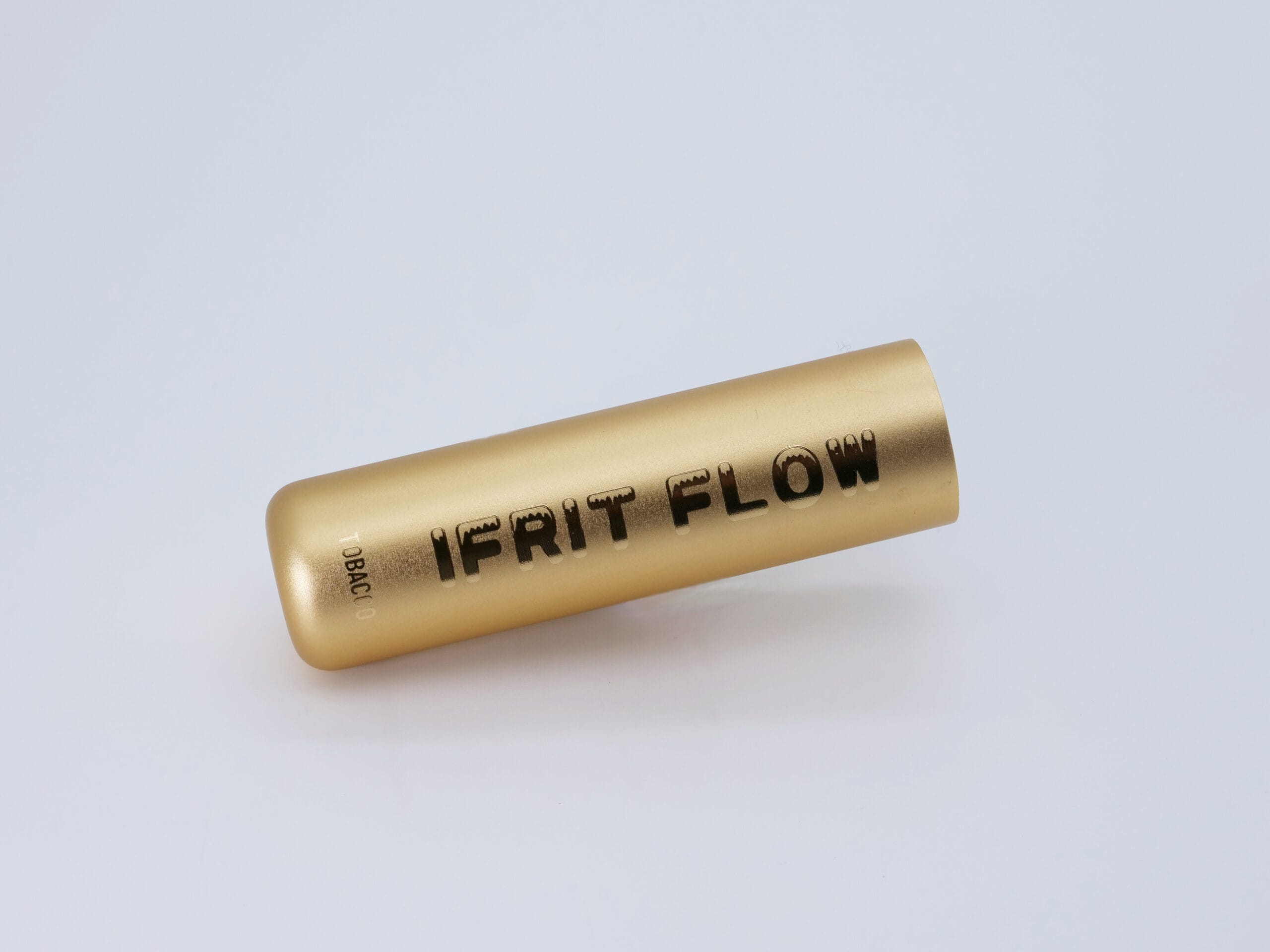
Standard screen printing or laser marking has a limit: detail. When a brand wants to feature complex gradients, high-definition photography, or intricate maps on an aluminum shell, traditional methods fall short.
They sit on top of the metal and can be scratched off.
Photo-Imaged Anodizing changes the game. At Coboggi, we treat the aluminum surface like a piece of photographic film, sealing the image underneath a layer of clear, diamond-hard aluminum oxide.
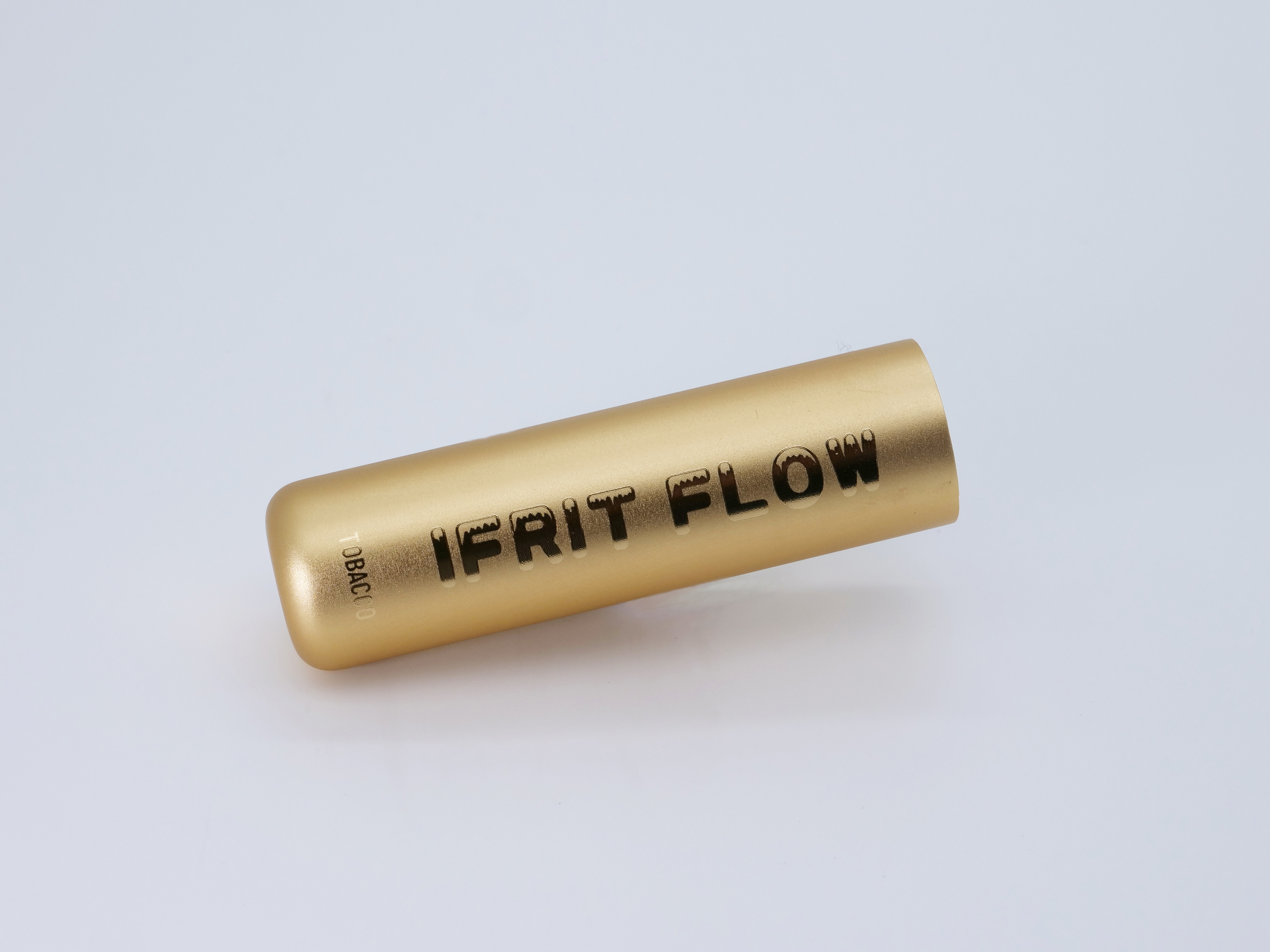
1. The Science: Printing “Inside” the Metal
The process relies on the porous nature of unsealed aluminum:
Opening the Pores: We anodize the aluminum to create billions of microscopic “honeycomb” pores.
Sensitizing: The pores are filled with light-sensitive silver salts or specialized digital dyes.
Exposure: The image is “developed” into the metal using high-resolution digital imaging.
The Seal: The part is submerged in boiling water or a chemical bath to “close” the pores.
The result: The image is now trapped beneath a sapphire-hard surface.
2. Why it Outperforms Surface Printing
Indestructible: Because the image is inside the anodic layer, it cannot be removed by solvents, cleaners, or even heavy abrasion.
UV Resistance: Unlike traditional inks that fade in the sun, photo-imaged silver particles are exceptionally stable, making this ideal for outdoor or high-sunlight environments.
Infinite Detail: We can achieve resolutions up to 1200 DPI. This allows for microscopic text, complex QR codes, and even lifelike portraits on metal.
3. The “Artistic” Applications
Photo-imaging isn’t just for industrial labels. In the 3C world, it opens new doors:
Limited Edition Art: Collaborating with artists to put full-color illustrations on laptop lids or smartphone backplates.
Wood/Stone Grain Simulation: Replicating the look of natural materials with the durability and weight of aluminum.
Internal Schematics: Printing the “circuit board” design on the outside of the casing for a “transparent” tech aesthetic.
4. Design Versatility
Monochrome Precision: Using silver-halide technology for the highest contrast black-and-white images.
Full-Spectrum Color: Digital injection into the pores for vibrant, multi-colored graphics that maintain the metallic luster of the aluminum.
5. Where Clarity is Mandatory
Professional Audio Consoles: Complex labeling and gradients that won’t wear away from years of finger contact.
Medical Equipment: Graphics that must withstand harsh chemical sterilization without fading.
High-End Signage: Premium branding that stays sharp for decades.
Conclusion: The Permanent Digital Canvas
Photo-Imaged Anodizing is the bridge between digital content and physical hardware. It allows designers to treat aluminum not just as a structural material, but as a high-definition canvas. At Coboggi, we give your graphics the permanence they deserve.
Specification Comparison
| Specification | Photo-Imaged Anodizing | Standard Dye-Based Anodizing | Laser Etching on Anodized Aluminium |
|---|---|---|---|
| Minimum feature resolution | 25 µm | 200 µm | 50 µm |
| Image depth consistency (±) | ±0.3 µm | ±2.0 µm | ±1.5 µm |
| Line edge acuity (MTF @ 50% contrast) | 0.85 | 0.42 | 0.68 |
| Maximum image area per panel | 1200 × 600 mm | Unlimited (no image constraint) | 300 × 300 mm |
| Coating thickness tolerance (after imaging) | ±1.2 µm | ±3.5 µm | ±2.8 µm |
| Colour fidelity (ΔECMC 2:1, vs Pantone) | 2.1 | 8.7 | N/A (monochrome only) |
| Throughput (panels/hour, 600 × 400 mm) | 18 | 45 | 22 |
| UV resistance (ΔE after 1000 h QUV-A) | 1.9 | 12.4 | 0.8 |
Frequently Asked Questions
What minimum line width can Photo-Imaged Anodizing achieve for fine-detail branding?
Our process reliably resolves line widths down to 0.075 mm (75 microns) with ±0.02 mm positional tolerance on 200 × 300 mm substrates.
What is the maximum part size supported for photo-imaged anodizing on aluminium extrusions?
We accommodate parts up to 6,000 mm in length and 400 mm in width — with consistent image fidelity across the full 6 m span.
How thick is the anodic layer in your standard photo-imaged anodizing process, and what corrosion rating does it achieve?
The anodic layer is precisely controlled at 25 ± 2 µm thickness, delivering a 3,000-hour salt-spray resistance per ASTM B117.
What is the typical lead time from artwork approval to shipment for medium-volume orders (500–2,000 units)?
Standard lead time is 12 business days — including mask fabrication, anodizing, and QC verification against ISO 9001:2015 Clause 8.6.
What is the minimum order quantity (MOQ) for custom photo-imaged anodized components?
The MOQ is 250 units per unique artwork and alloy grade (e.g., 6063-T5 or 6061-T6), with no setup fee for repeat orders within 18 months.
What colour consistency guarantee do you provide across production batches?
We maintain ΔE ≤ 1.2 (CIE L*a*b* scale) across all batches using spectrophotometric validation per ISO 13655:2017.